
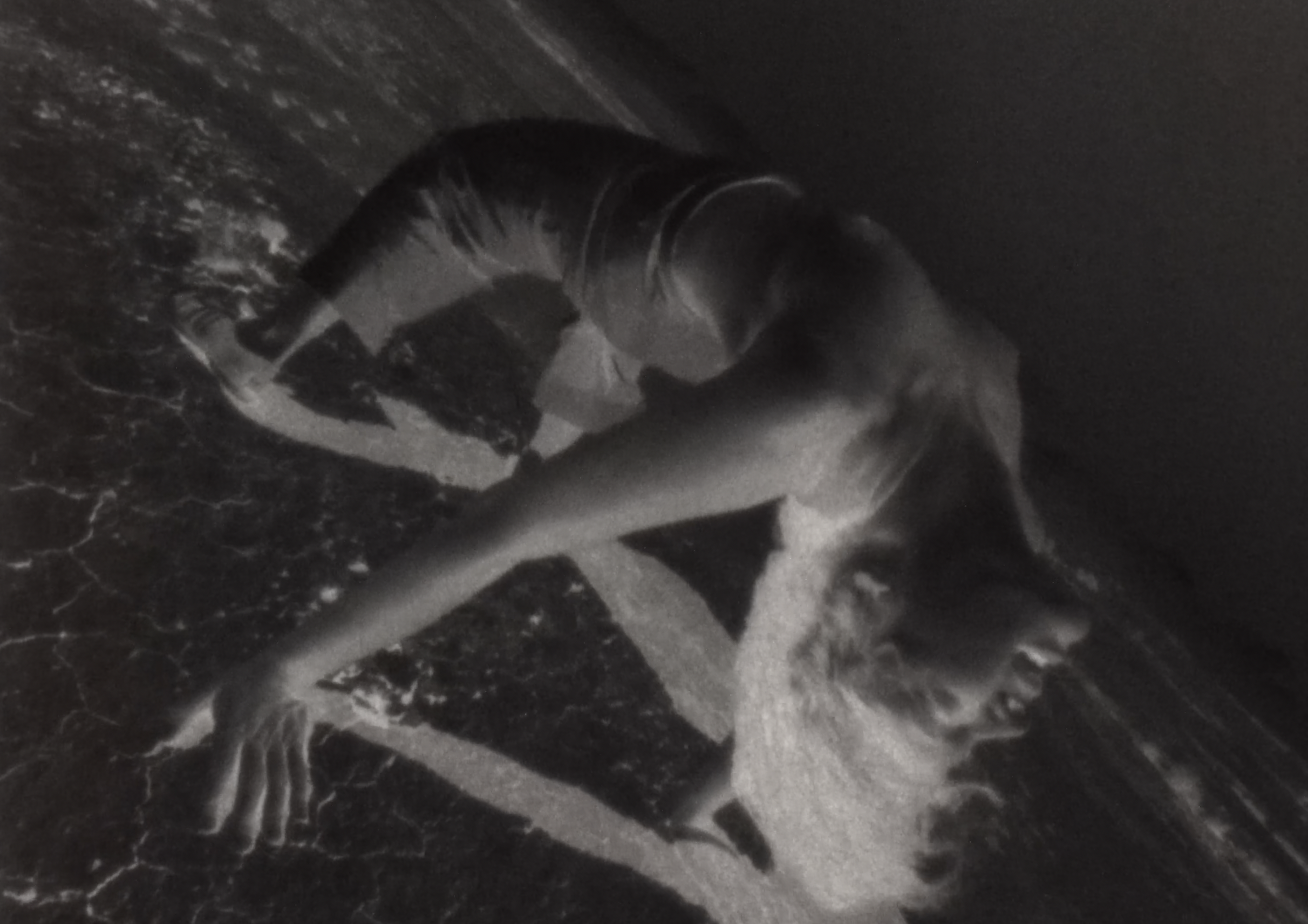
Portrait of Alison Bradford (1975)
9 Minutes, 16mm, B&W, Sound
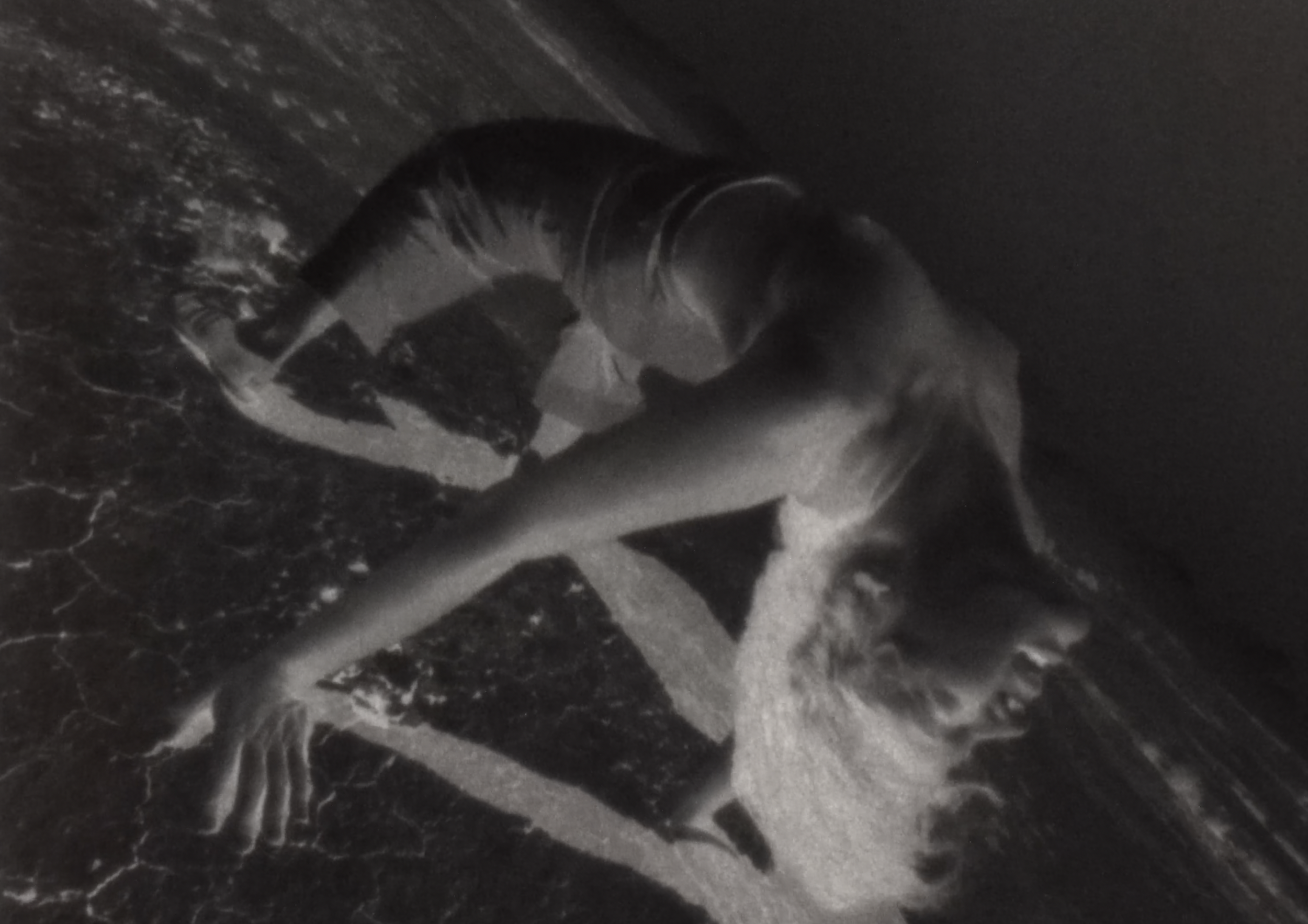
28 Minutes, 16mm, B&W, Silent
Twisted angles, sweeping motions, negative inversions of dancer Alison Bradford as she contorts her body in the sunlight. Palms on dry lakebed. Grass between fingers. Physical connection with the earth.
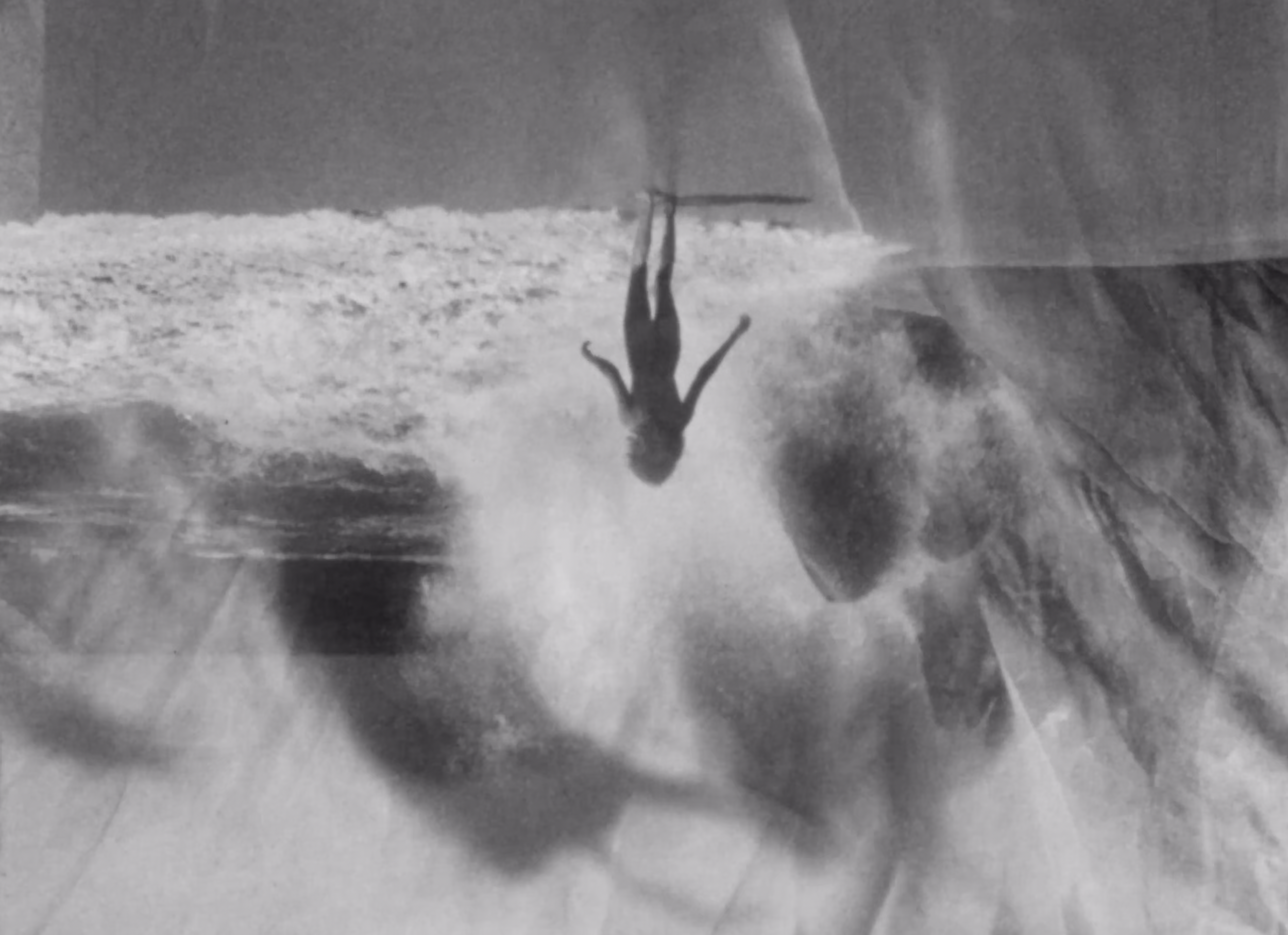
Cabo San Lucas (1978)
9 Minutes, 16mm, B&W, Sound
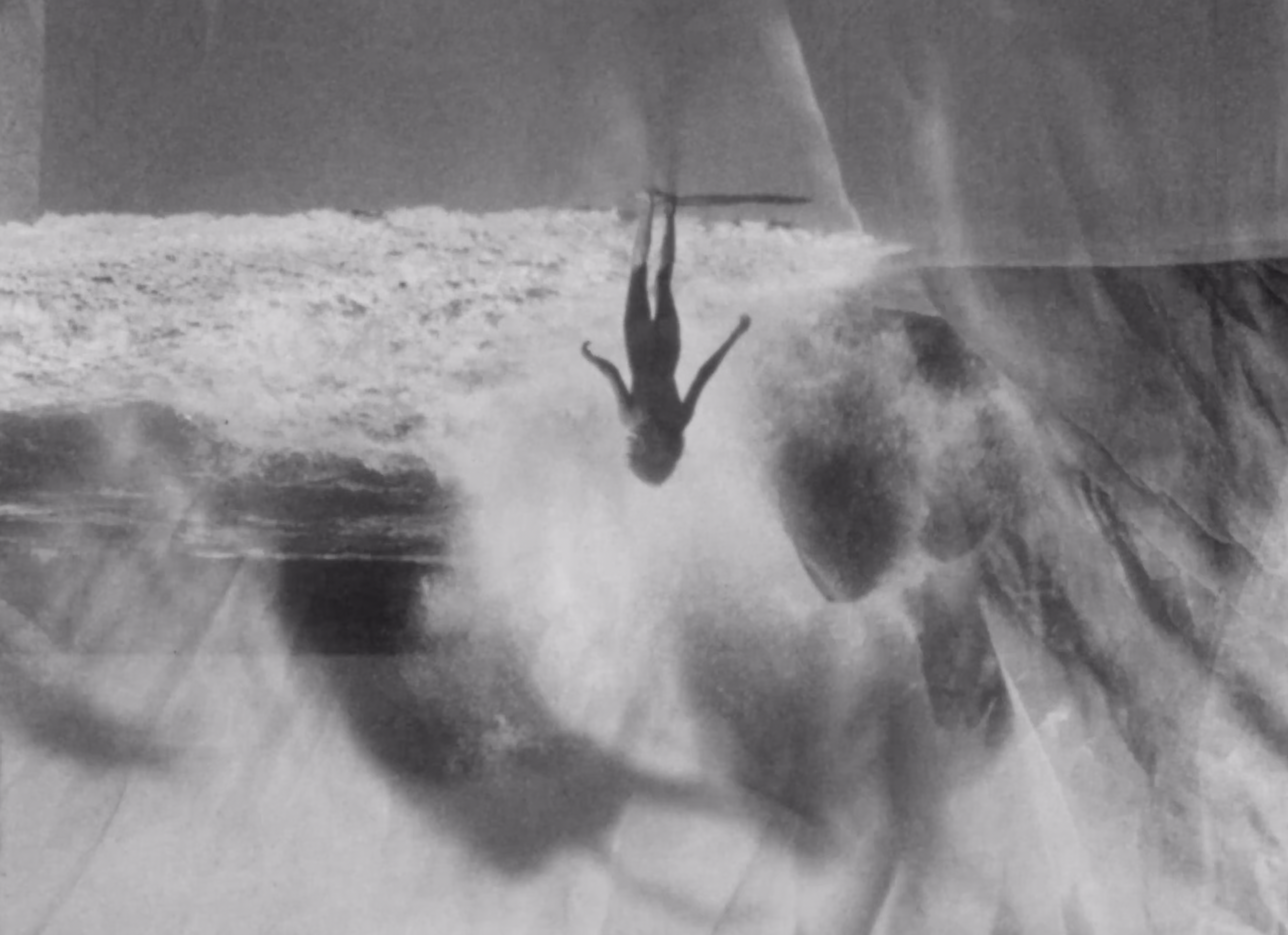
9 Minutes, 16mm, B&W, Sound
An exploration in multiple exposure photography, with cuts coming more methodically. Images of waves crashing into close-ups of a nude woman.
Path of Cessation (1975)
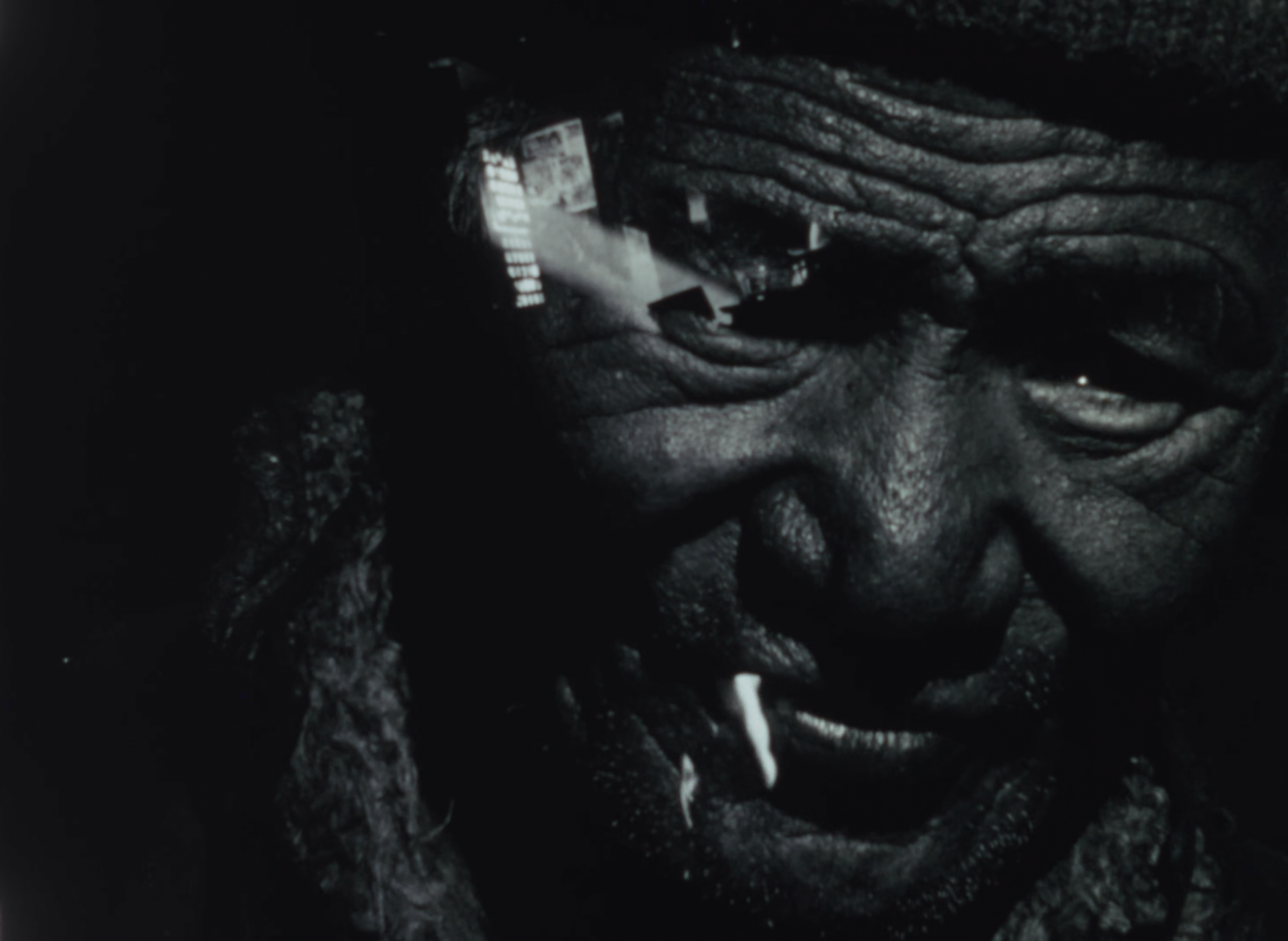
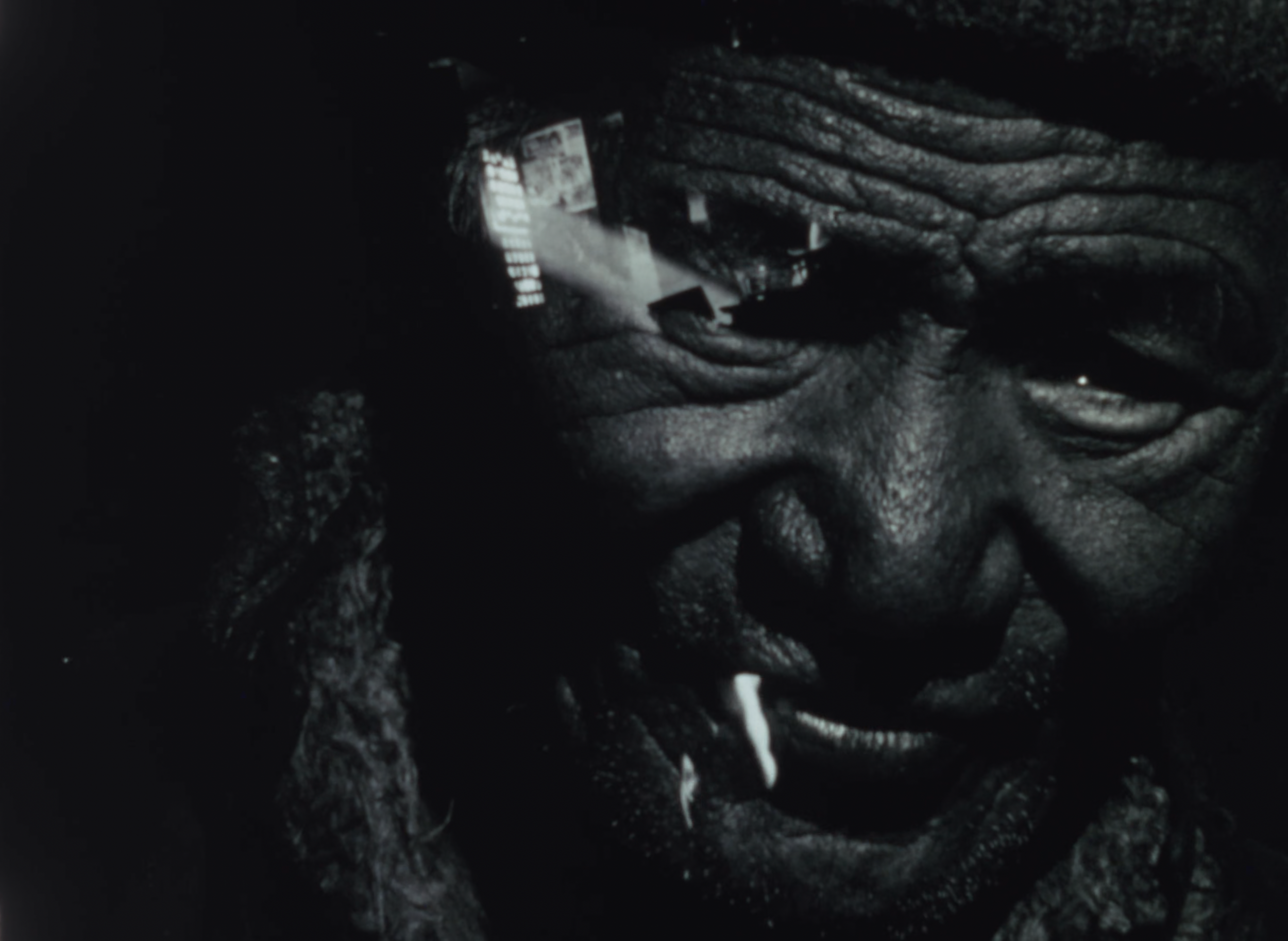
55 Minutes, 16mm, Color, Sound
55 Minutes, 16mm, Color, Sound
"We are not tricked into the belief that we've visited Tibet by proxy. Here is the wonder of your works, Bob: that you know, always, whatever part of the World you bounce light off, you are in yr. own backyard ... albeit all these strange (and familiar) creatures move thru that infinite 'yard' of yr. mind. How simply wonderful .... Each film a growth: all of the same spirit. What more can I say but ... Thanks!" - Stan Brakhage
On its surface, PATH OF CESSATION is an experimental documentary on Tibetan culture. The image that is communicated to us by Fulton is a highly mystifying one. Rather than analyze, or enter into a dialogue with the Tibetan culture that he photographs, Fulton has succumbed to it, and through the process has presented us a work of great surface, as well as formal, beauty.
Street Film Collection (1975-1976)
STREET FILM PART ZERO SERIES
Street Film Part 1: 22 Minutes, 16mm, B&W, Sound
Street Film Part Zero Composite: 34 Minutes, 16mm, Color, Sound
Street Film Part Zero Reel 2: 34 Minutes, 16mm, Color, Sound
Street Film Part Zero Reel 3: 32 Minutes, 16mm, Color, Sound
Street Film Part Zero Reel 4: 33 Minutes, 16mm, B&W, Sound
Street Film Part Zero Reel 5: 33 Minutes, 16mm, Color, Sound
STREET FILM EXTRAS SERIES
Street Film 7: 6 Minutes, 16mm, B&W, Silent
Street Film 7 AND 8: 17 Minutes, 16mm, Color, Silent
Street Film 8: 34 Minutes, 16mm, Color, Sound
Street Film 10: 5 Minutes, 16mm, B&W, Sound
Street Film 10 and 5: 15 Minutes, 16mm, B&W, Silent
Street Film 11: 13 Minutes, 16mm, B&W, Silent
Street Film 14: 7 Minutes, 16mm, Color, Sound
Street Film 17: 3 Minutes, 16mm, B&W, Sound
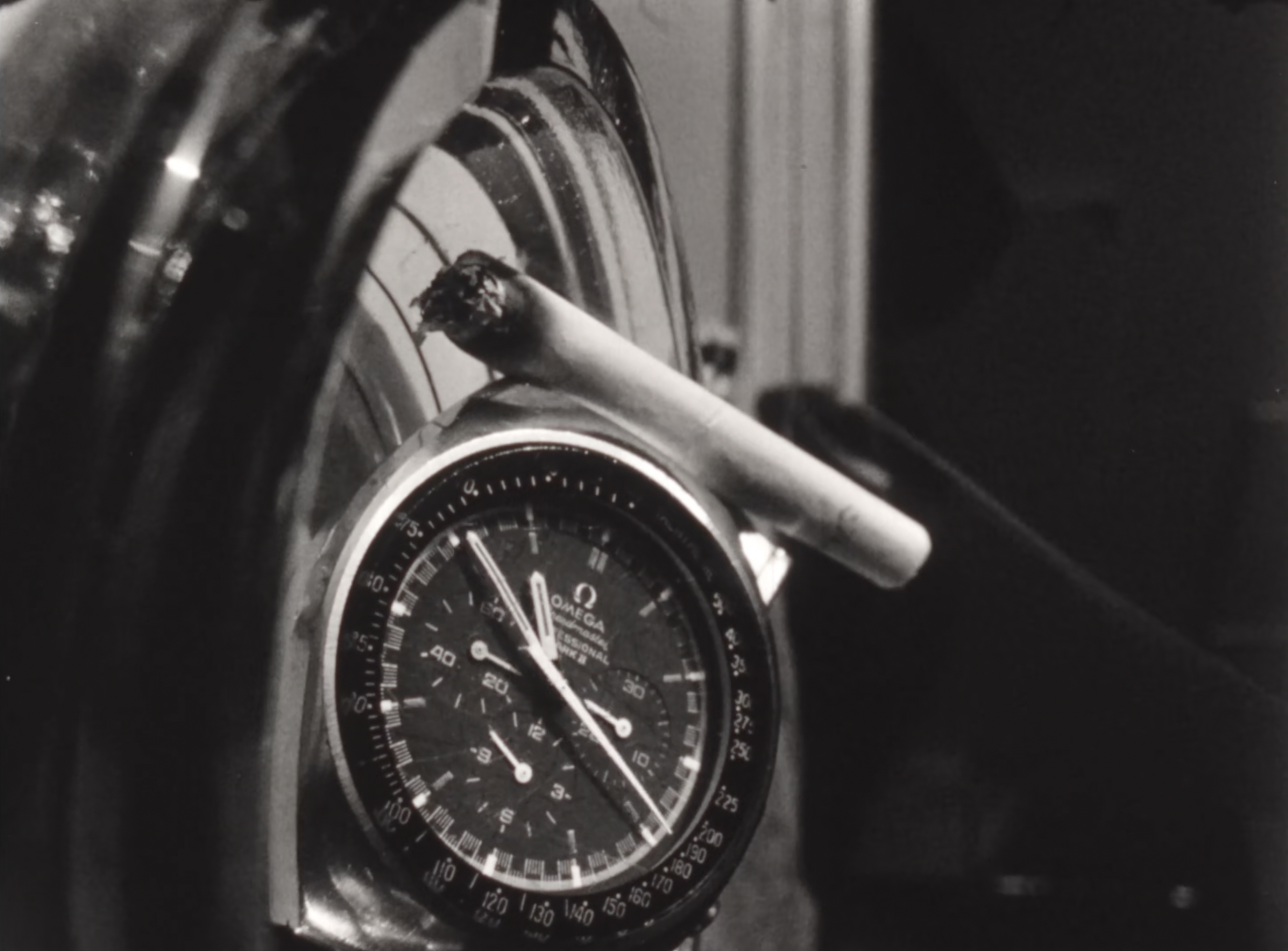
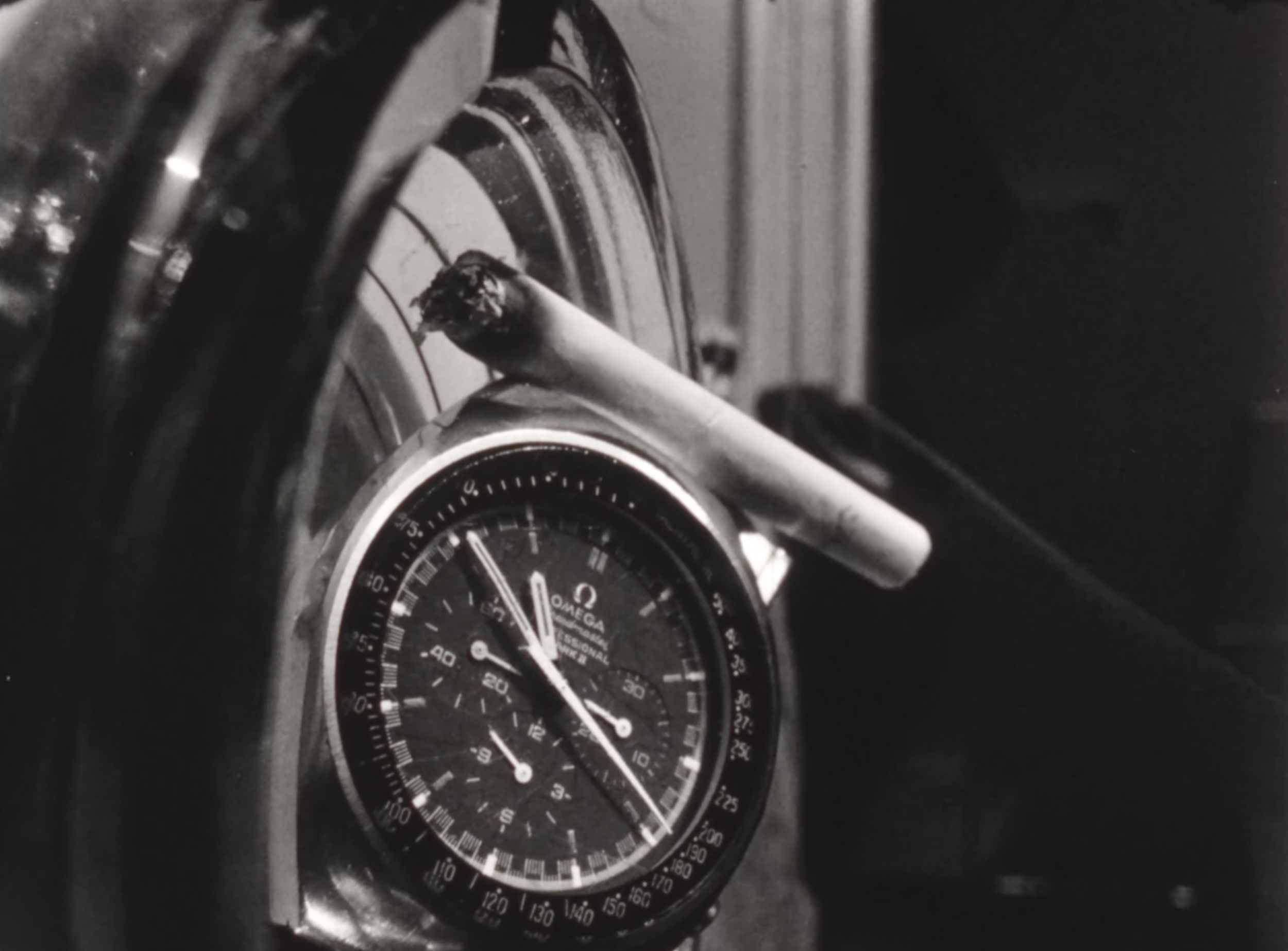
The Street Film series is one of Fulton’s greatest experimental undertakings, challenging viewers to look beyond their preconceptions of filmmaking’s basic tools for conveying time and perceiving image. Not only can cuts be rapid and sporadic, but in the case of “Street Film Part Zero,” five projectors were layered onto a single screen for exhibition. Street Film was in a constant state of experimentation, where Fulton would edit reels between screenings and change configurations of projectors. At times, single-reel portions would be shown as standalone films, such as “Street Film Part 1.”
After Fulton passed away, it wasn’t clear which of the film reels in his archives were meant to be standalone films, work prints, trimmings, or which made up the five reels 35 minutes in length for his most notable screening of “Street Film Part Zero” in Boulder, CO, 1976. The first part of this collection, “Street Film Part Zero Series,” represents archivists’ best efforts to recreate the effect of exhibiting those five projectors layered onto a single screen with “Street Film Part Zero Composite.” Each reel is available to view individually, and the standalone film “Street Film Part 1” was chosen to be used as “Reel 1.”
The “Street Film Extras Series” is comprised of the remaining reels of film in Fulton’s archive along with their original labeled titles, even if they contradict one another. For example, “Street Film 10 and 5” doesn’t resemble “Street Film 10” or “Street Film 5” (which was used for Street Film Part Zero Reel 5), and could be a work print for all that’s known. By allowing all of these films to be viewed, archivists hope to open a window into Fulton’s filmmaking process and creative spirit.
"The objective of Street Film is to separate awareness from its materials.
Normally, awareness is bound to particularizations — subject-object relations, content and dynamics. By organizing these elements, awareness of a given situation is constructed.
Street Film considers the values of looking past the particular to the general existence of an unqualified awareness. This entails overcoming the subject-object dualism inherent in any single image. Whenever an image is singly isolated, there exists ‘another’ image implied outside its frame of reference. Several projectors overlapped raise the question of the ‘other’ integrated into a singularity.
The work may be considered as a form of instrumentation for contacting an unqualified awareness; the structure behind any individual content. In this respect it resembles dream formation. It connects to the basis of a rarely examined semantic reflex; to the way in which our perceptual habits impinge on and restrict a quality of openness implicit in the existence of the human experience.
The Zero refers to the presence of unqualified awareness in its own irreducible terms. It is for its own sake. It is a theoretical possibility, difficult of attainment. This awareness allows the observer to make use of his own hidden contents. In another sense the awareness permits of no hidden contents. It resembles a catalyst which fires a reaction but does not become part of it. It also resembles nothing at all."
-Robert E. Fulton III, Boulder CO, 1976
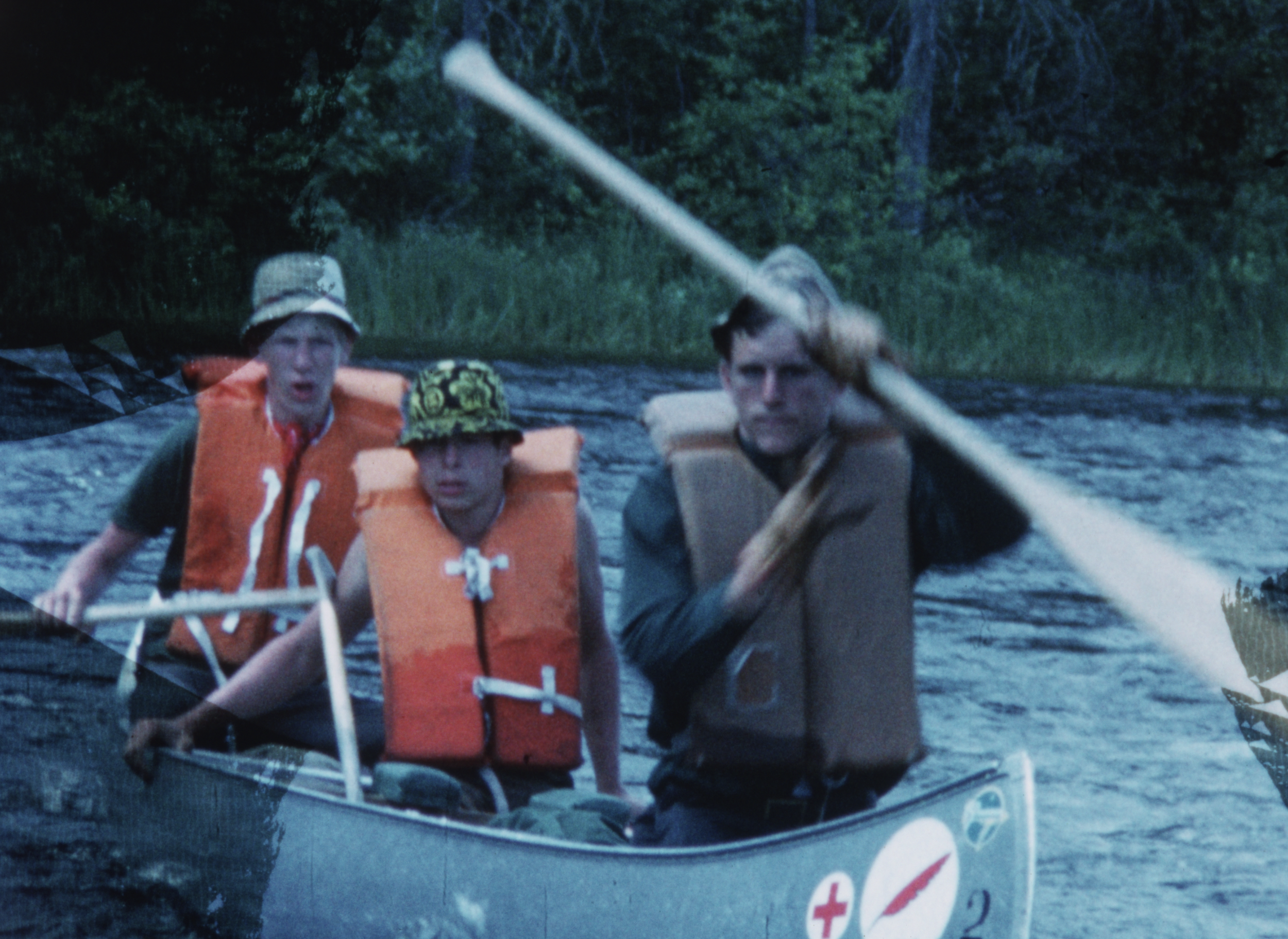
Outward Bound (1969)
Ahnameke: 25 minutes, 16mm, Color, Sound
Huie Whitewater: 17 minutes, 16mm, Color, Sound
Oriana: 12 minutes, 16mm, Color, Sound
Summit Films: 28 minutes, 16mm, Color, Sound
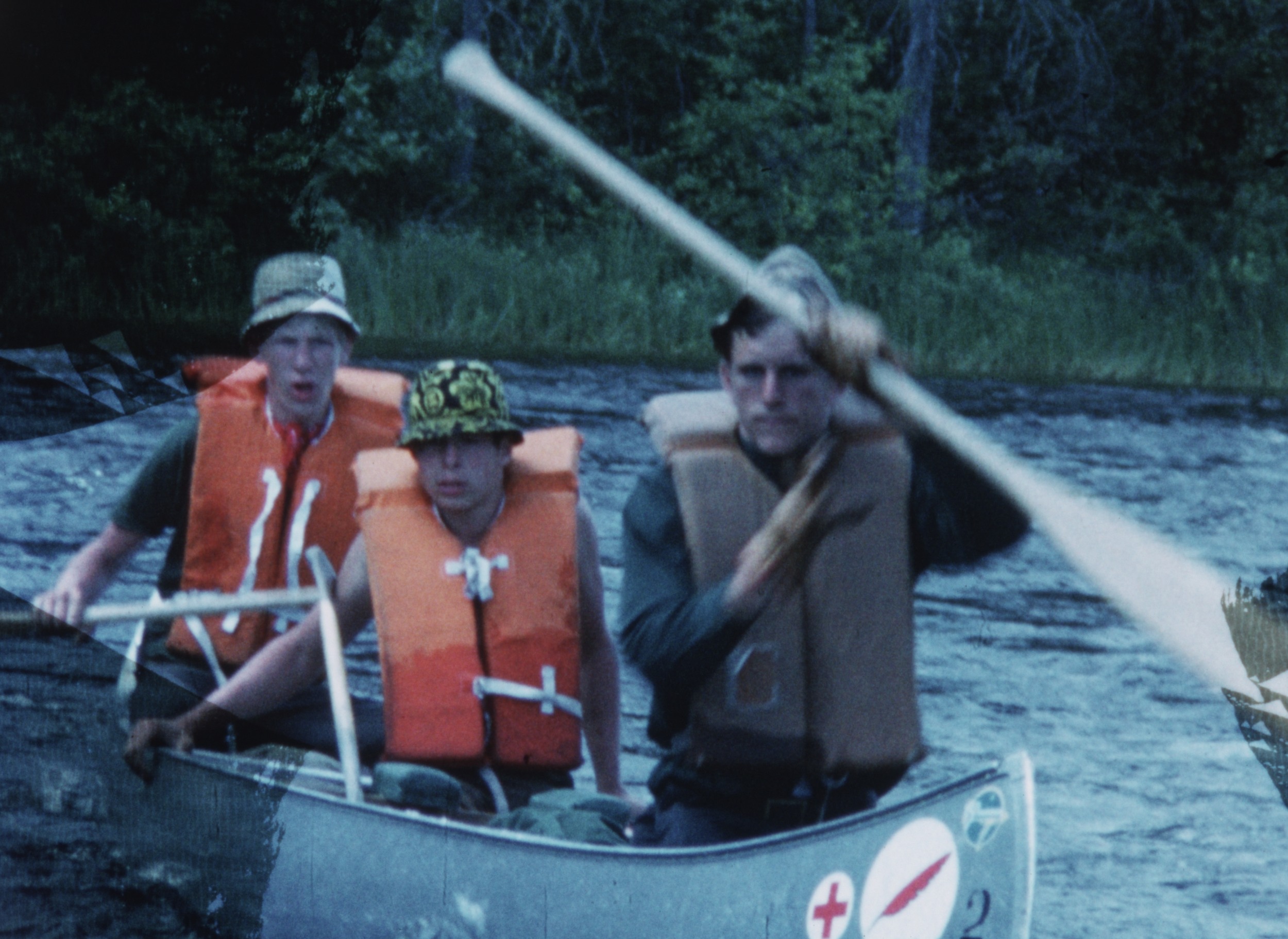
Ahnameke: 25 minutes, 16mm, Color, Sound
Huie Whitewater: 17 minutes, 16mm, Color, Sound
Oriana: 12 minutes, 16mm, Color, Sound
Summit Films: 28 minutes, 16mm, Color, Sound
While commissioned to create a promotional film for Outward Bound with Summit Films, Fulton used extra time and footage to edit together a collection of three films, closer to his style of personal filmmaking. Ahnameke, Huie Whitewater, and Oriana each focus on a unique Outward Bound camp and ecology, following around participants as the learn to live with the outdoors.
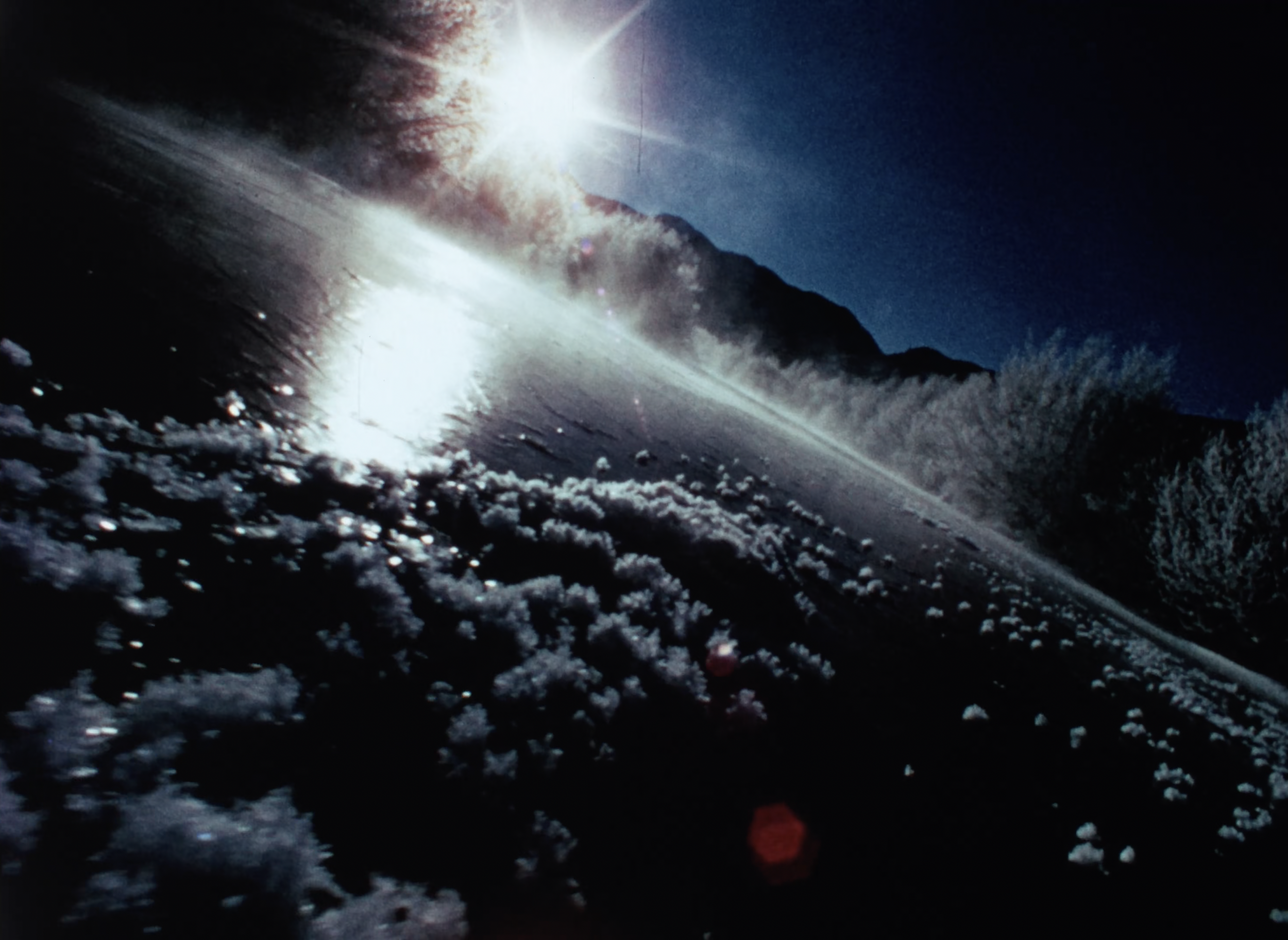
Running Shadow (1971)
Part I: 11 Minutes, 16mm, Color, Sound
Part II: 20 Minutes, 16mm, Color, Sound
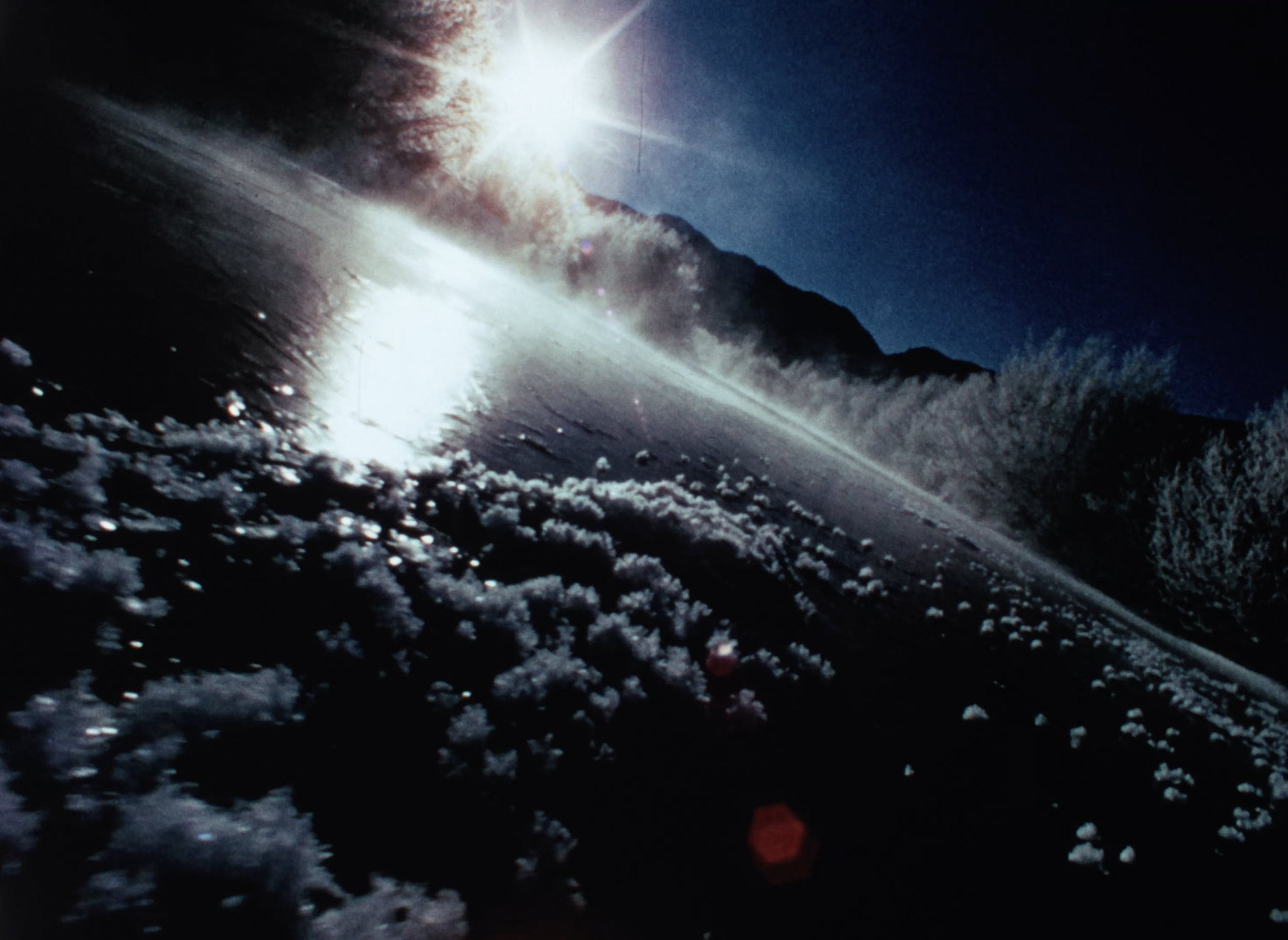
Part I: 11 Minutes, 16mm, Color, Sound
Part II: 20 Minutes, 16mm, Color, Sound
Rapidly changing images of natural objects, scenery, animals, plants, and people flicker, flash, tumble, and cascade across the screen.
“Running Shadow really does communicate something, about the life of forms understood as change-through a lightning-fast succession of gorgeous natural images, and finally through the swooping and soaring of the camera itself. It is altogether the most exhilarating 10 minutes I have spent at the Whitney, and among the happiest times in recent moviegoing.”
-Roger Greenspun, New York Times
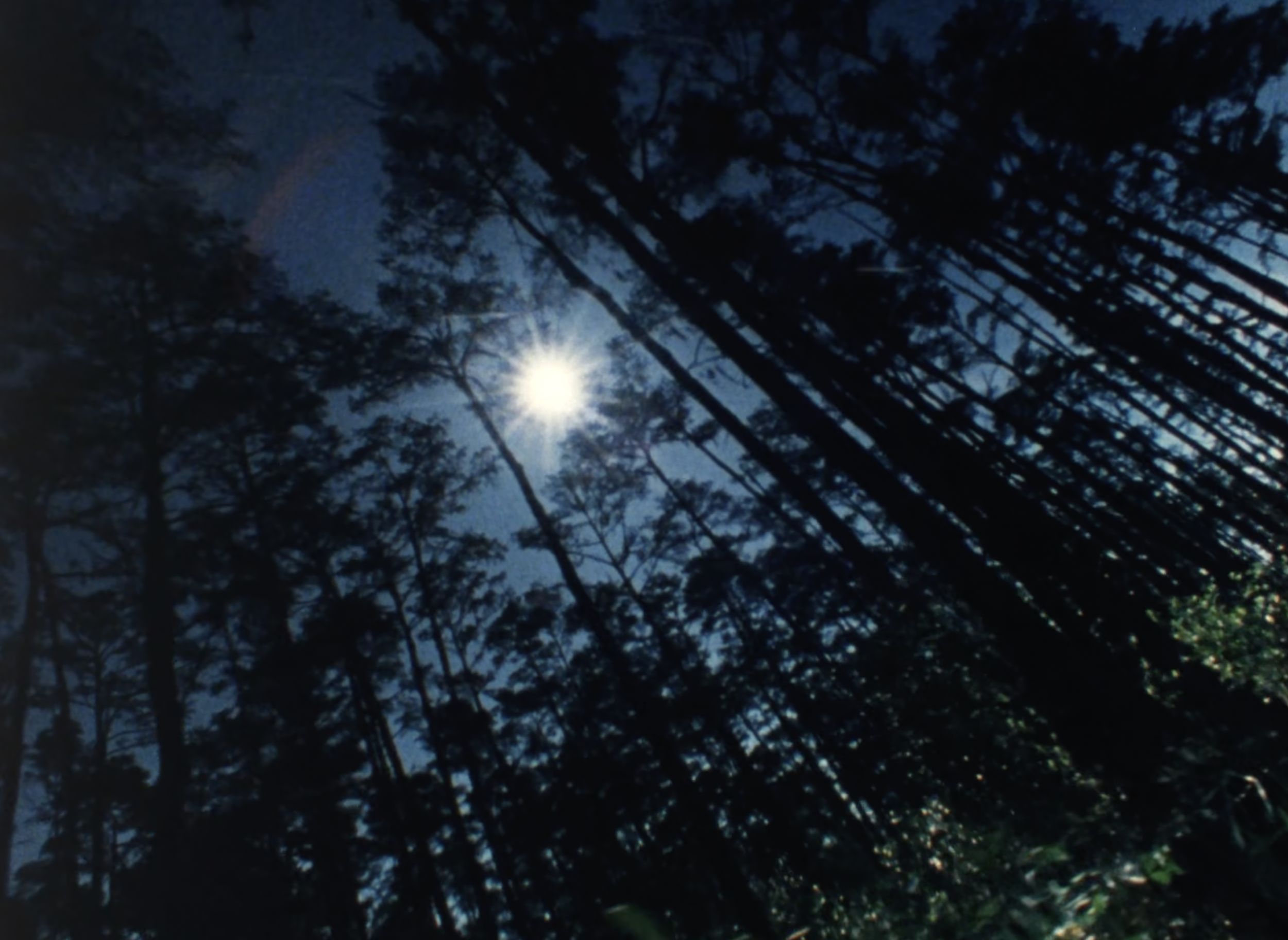
Wilderness: A Country in The Mind (1984)
20 minutes, 16mm, Color, Sound
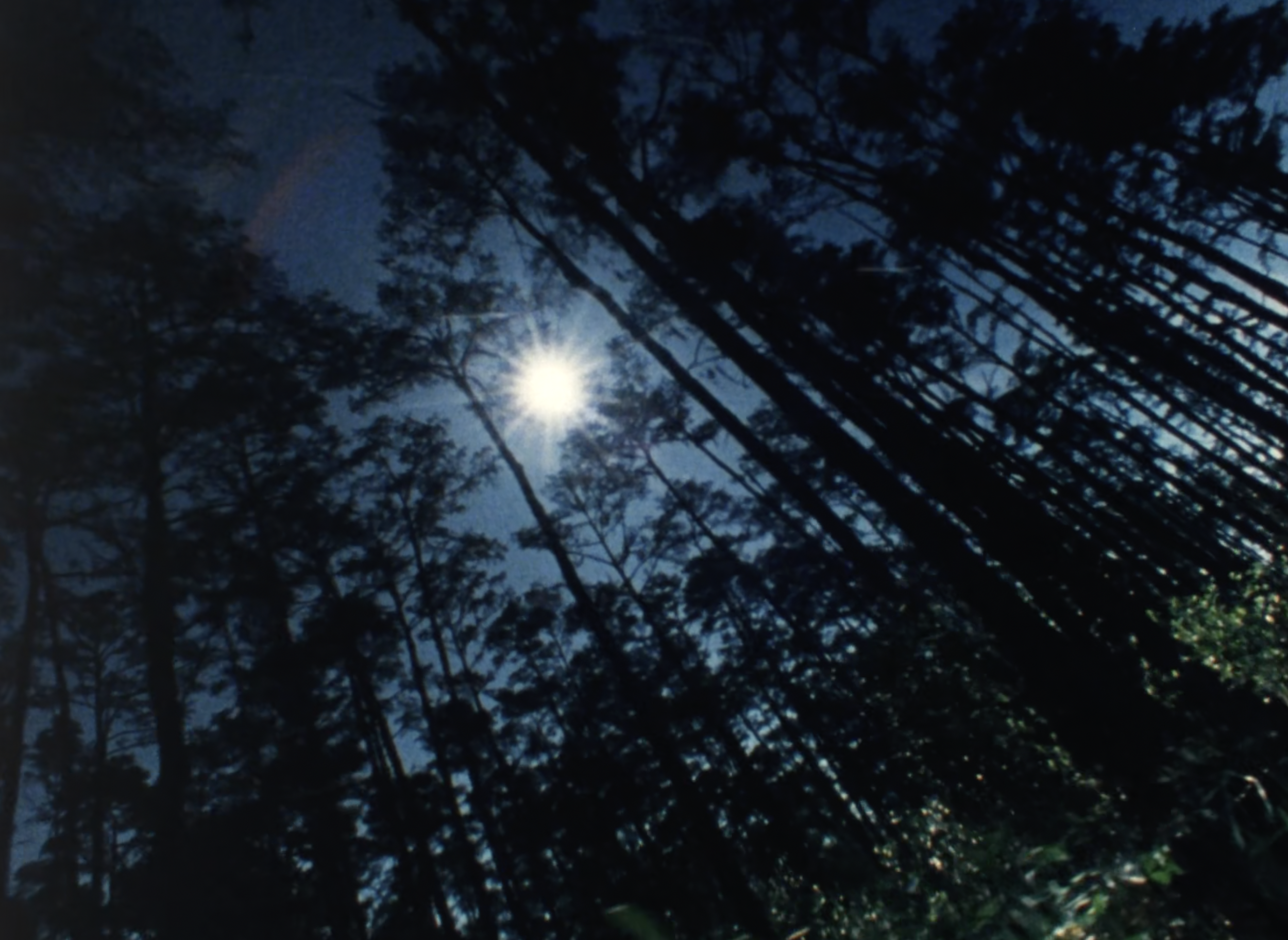
20 minutes, 16mm, Color, Sound
Commissioned by the Wilderness Society. Fulton surveys America's few remaining wildlands with grace, allowing the viewer to bask in the power of stunning landscapes. This is one of the earliest examples of Fulton's aerial photography, where he would attach a film camera underneath the wing of a Cessna airplane. Sigourney Weaver provides narration, guiding us through the founding mission of The Wilderness Society, and all that there is to protect.
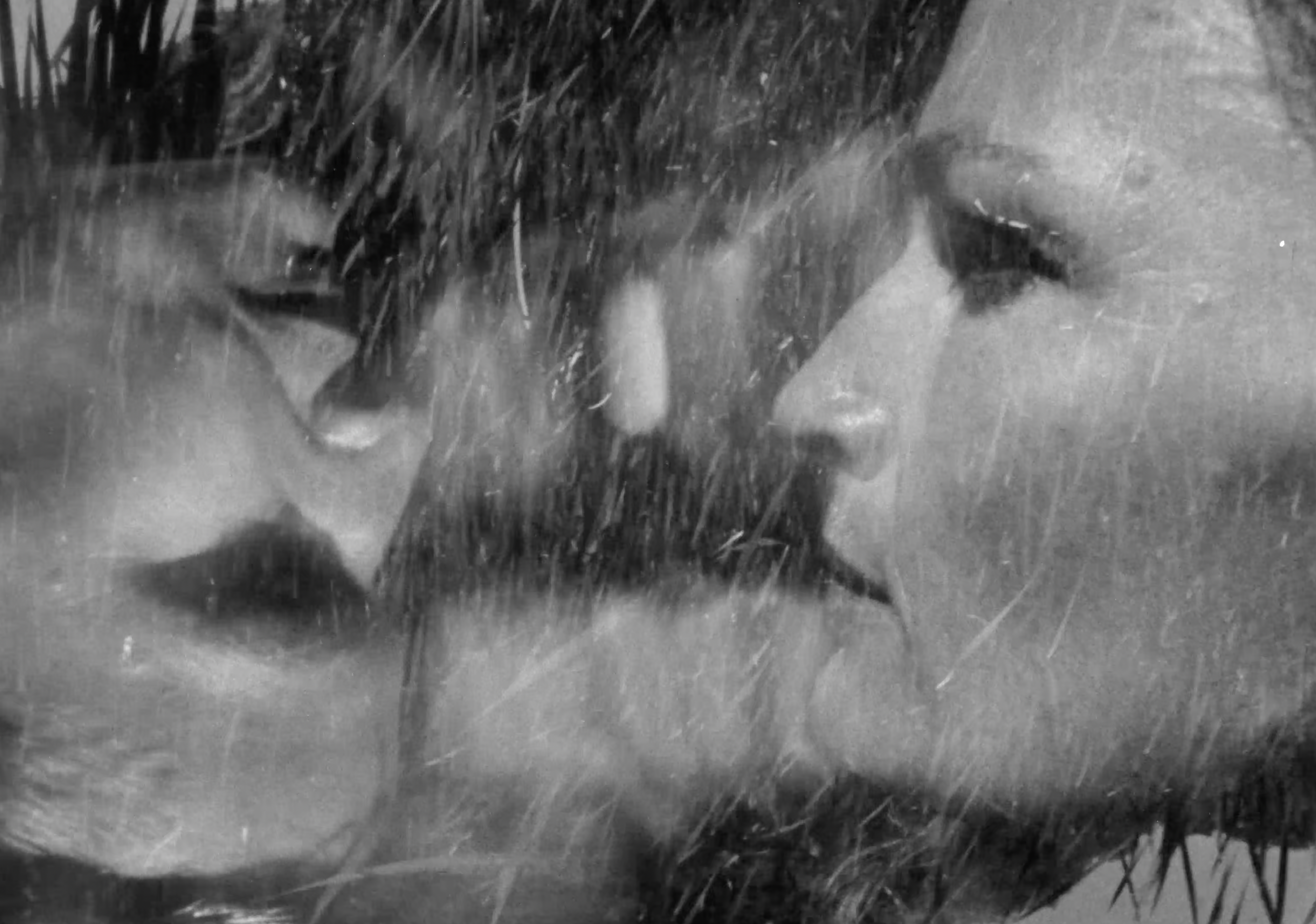
Aleph (1983)
17 minutes, 16mm, B&W, Sound
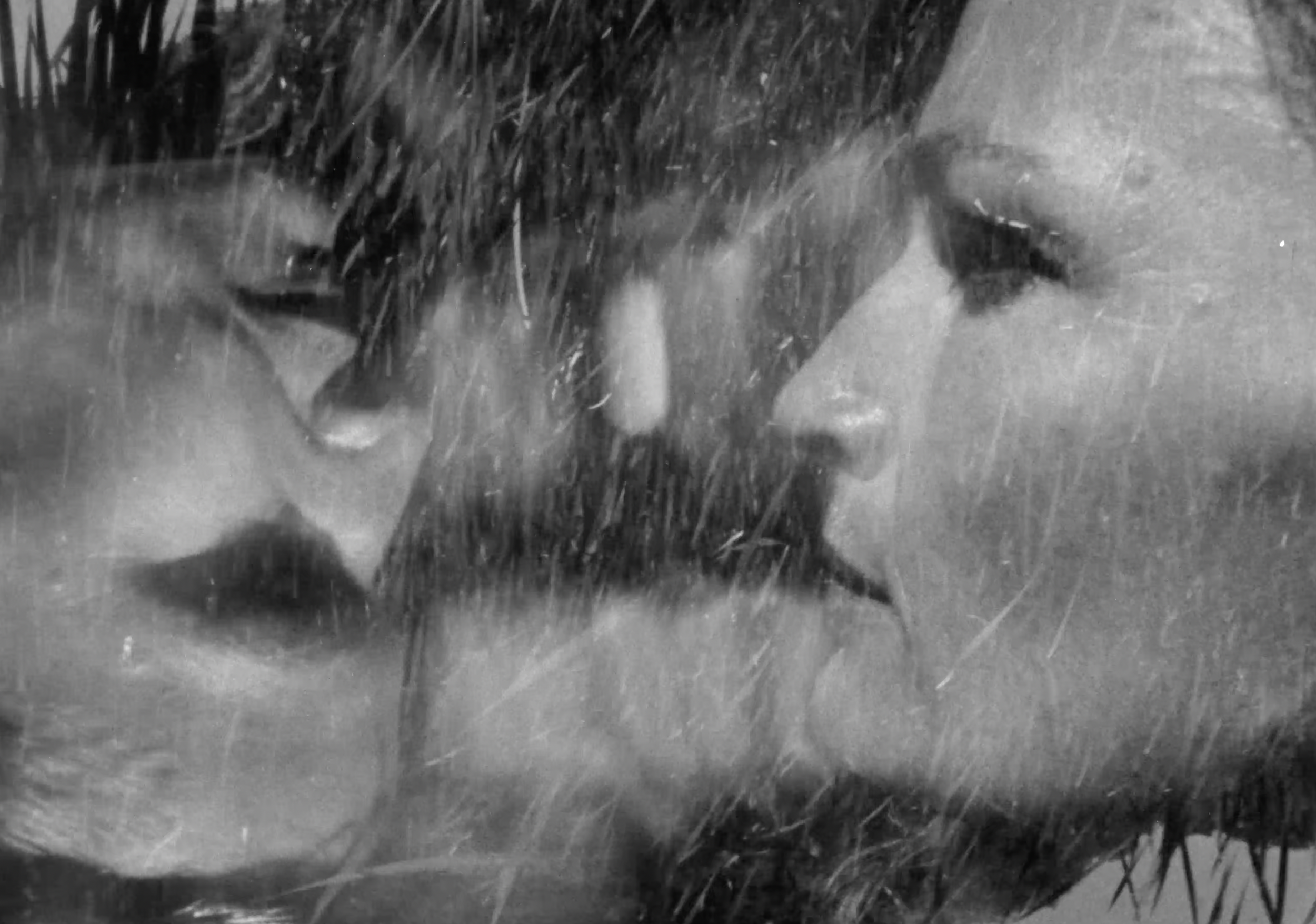
17 minutes, 16mm, B&W, Sound
A combination of techniques Fulton honed over the years: single frame shooting, layered exposures, images of nature bearing over the human body. Mountains, the ocean, a mother and child.
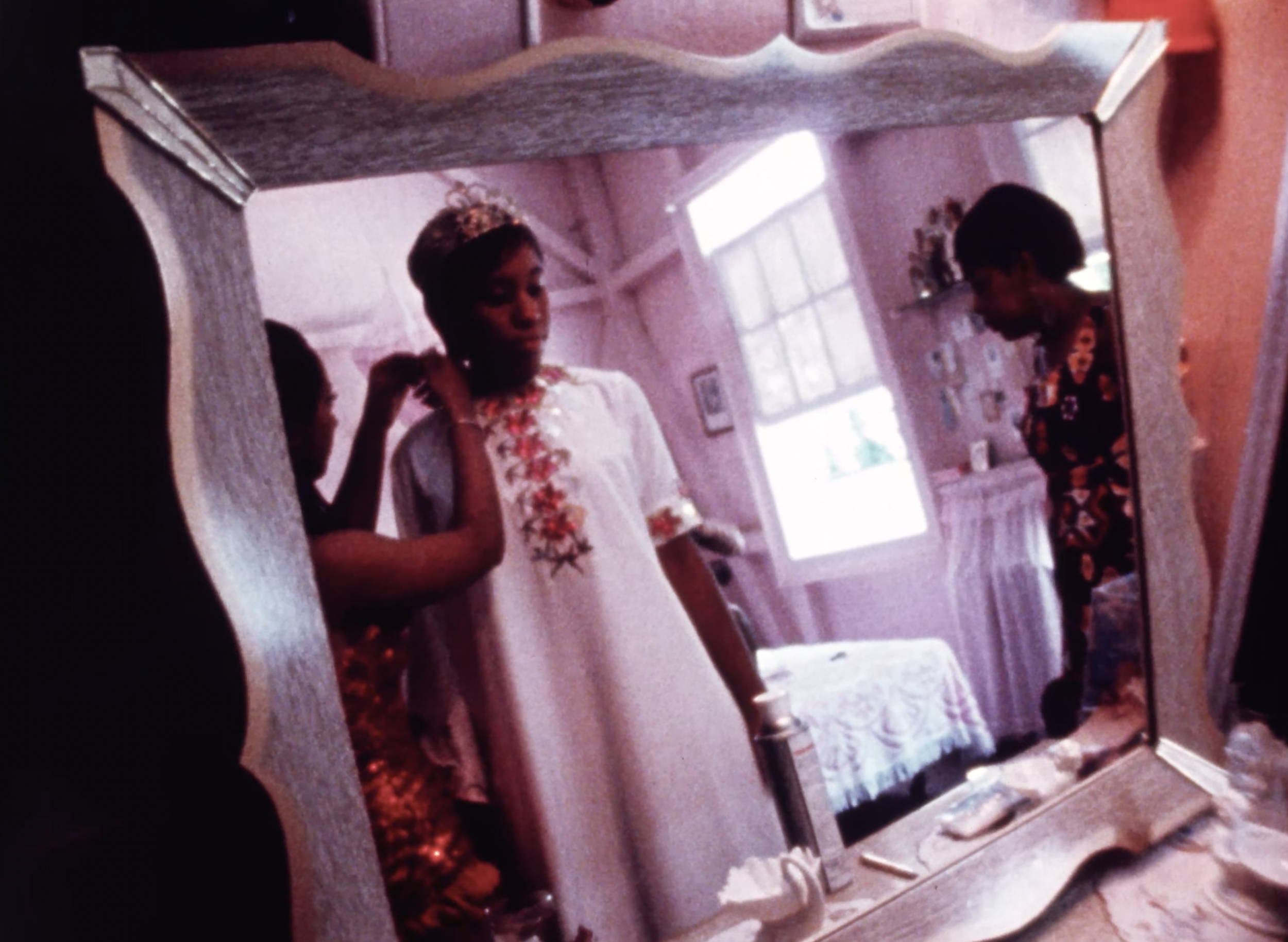
Eastern Airlines: Mer Des Antilles (1973)
12 minutes, 16mm, Color, Sound
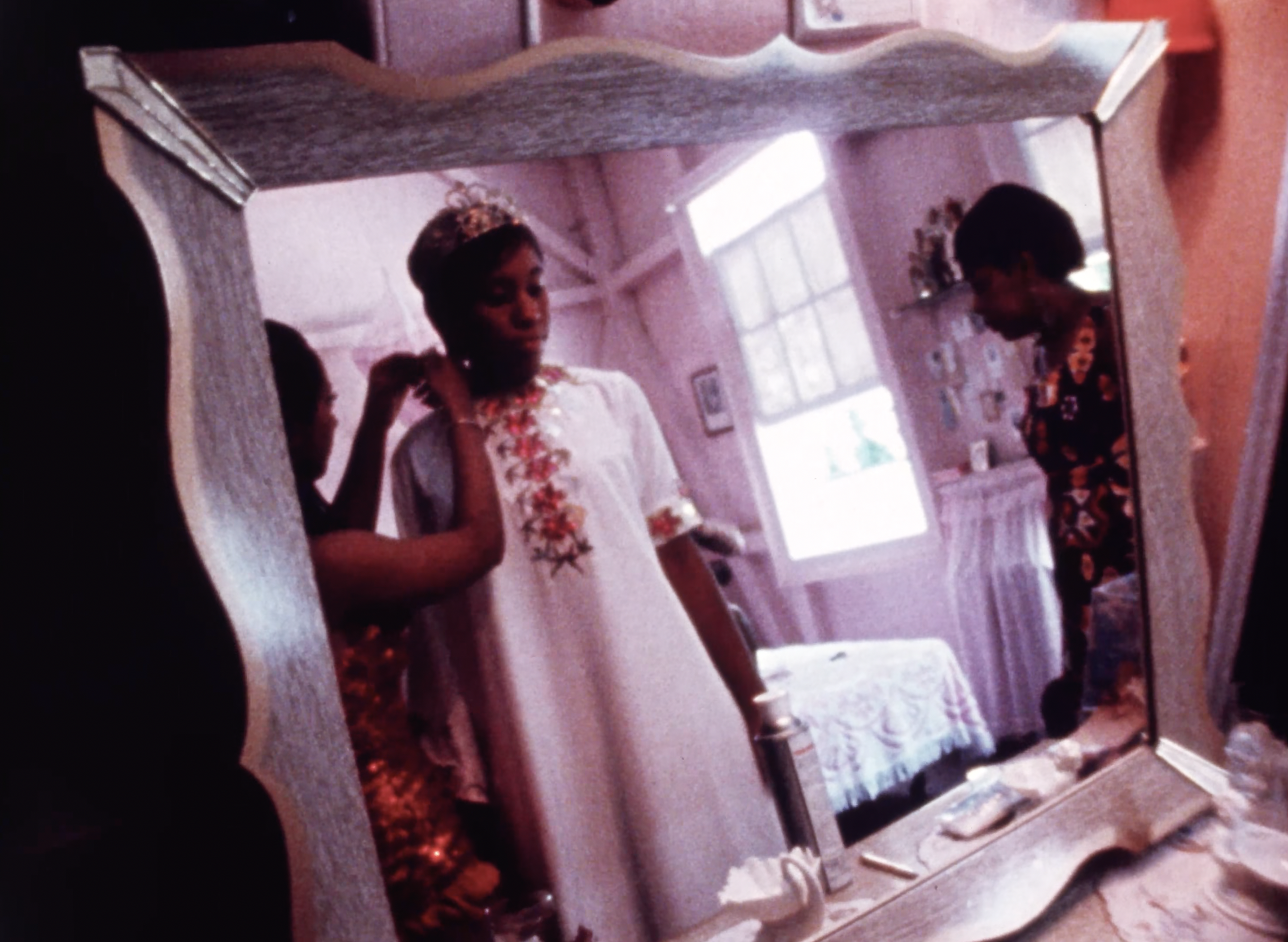
12 minutes, 16mm, Color, Sound
While Fulton was on assignment to shoot a commercial for Eastern Airlines, THE WINGS OF MAN, they also produced a longer film reminiscent of Fulton's other ethnographic work. MER DE ANTILLES allows viewers to experience that same culture on the ground level.
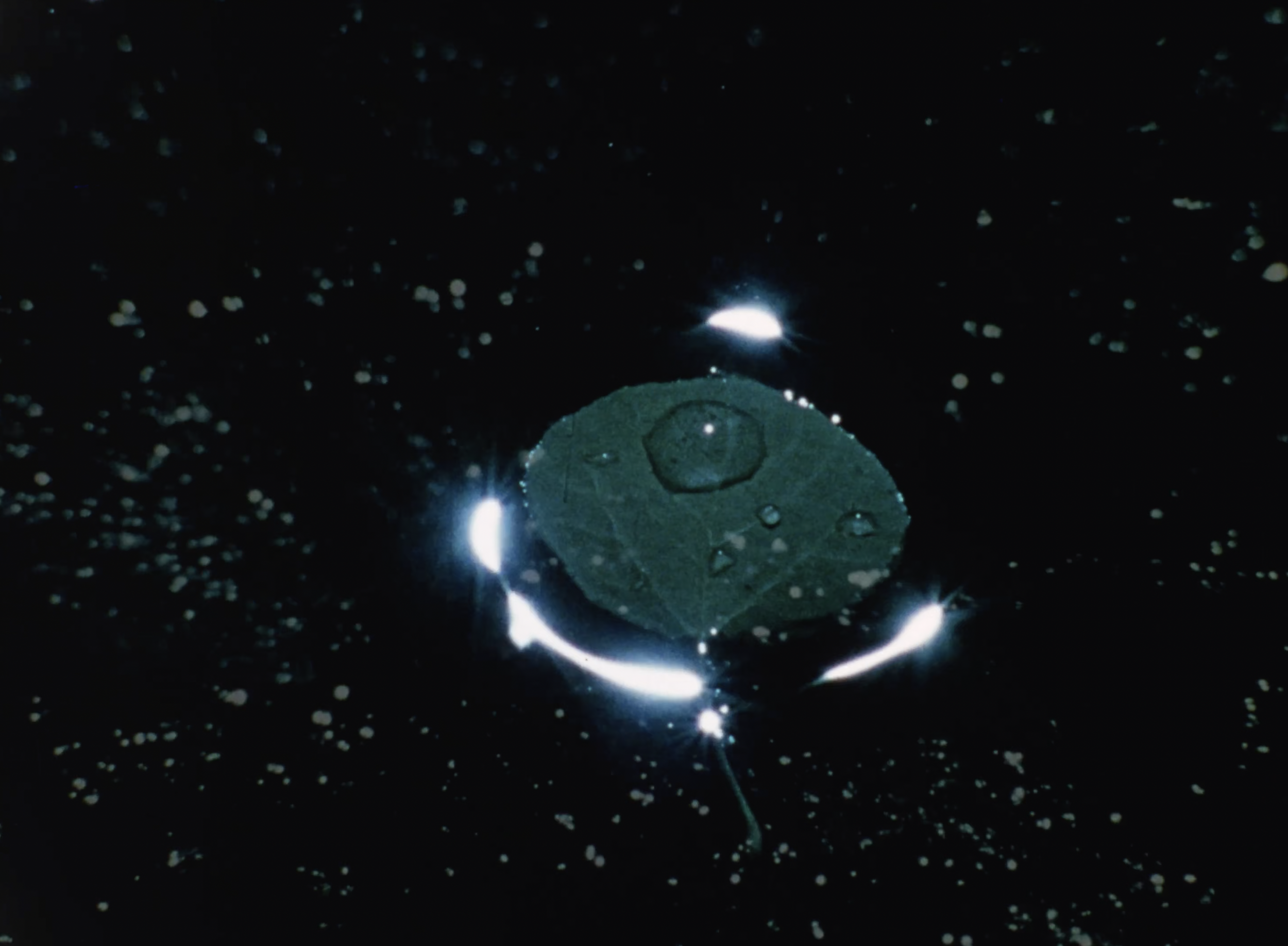
River Film (1973)
12 minutes, 16mm, Color, Sound
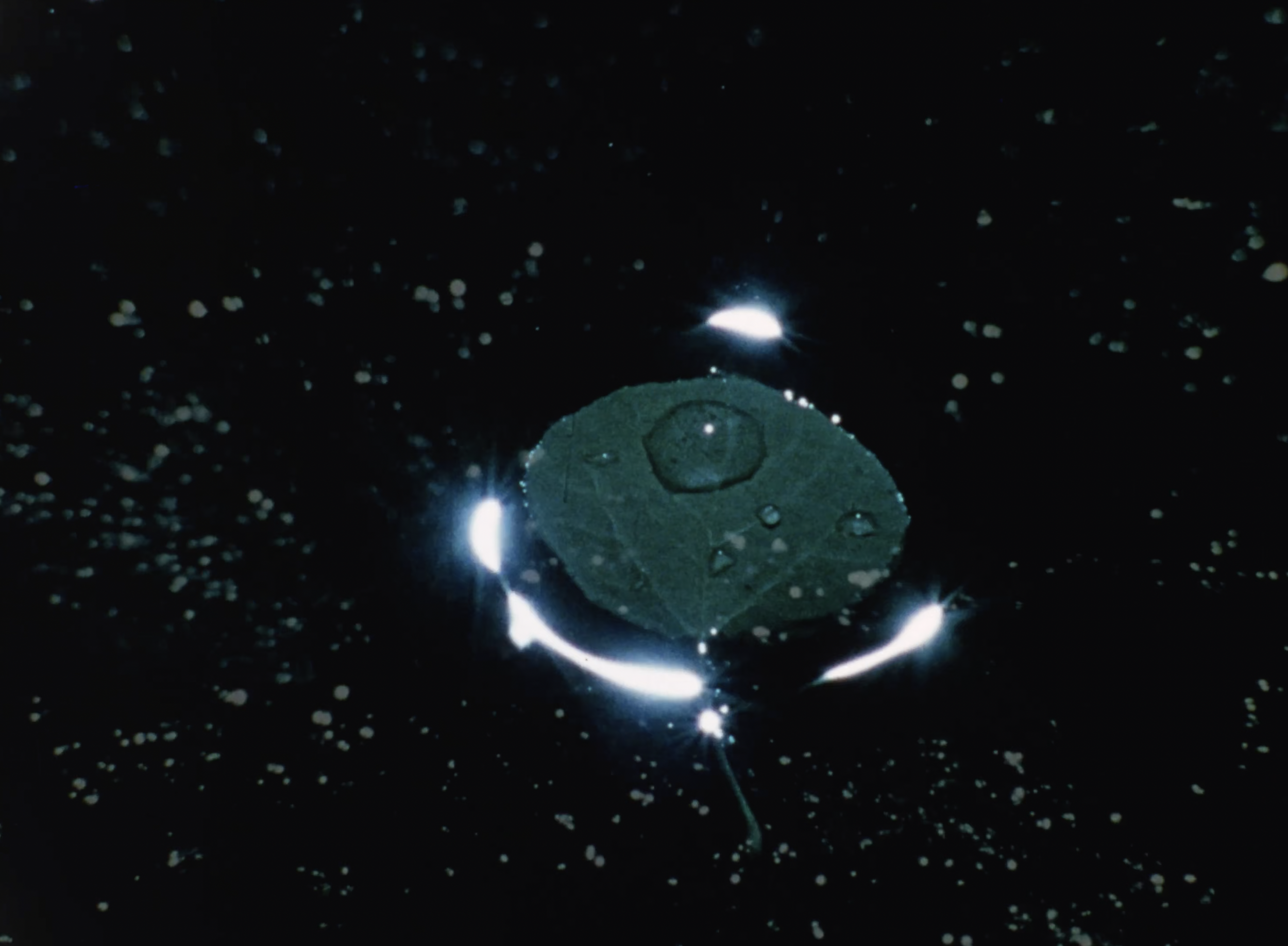
12 minutes, 16mm, Color, Sound
In RIVER FILM, Fulton creates a portrait of the Roaring Fork River and its tributaries, the central artery of life near Aspen, Colorado, where he resided for many years.
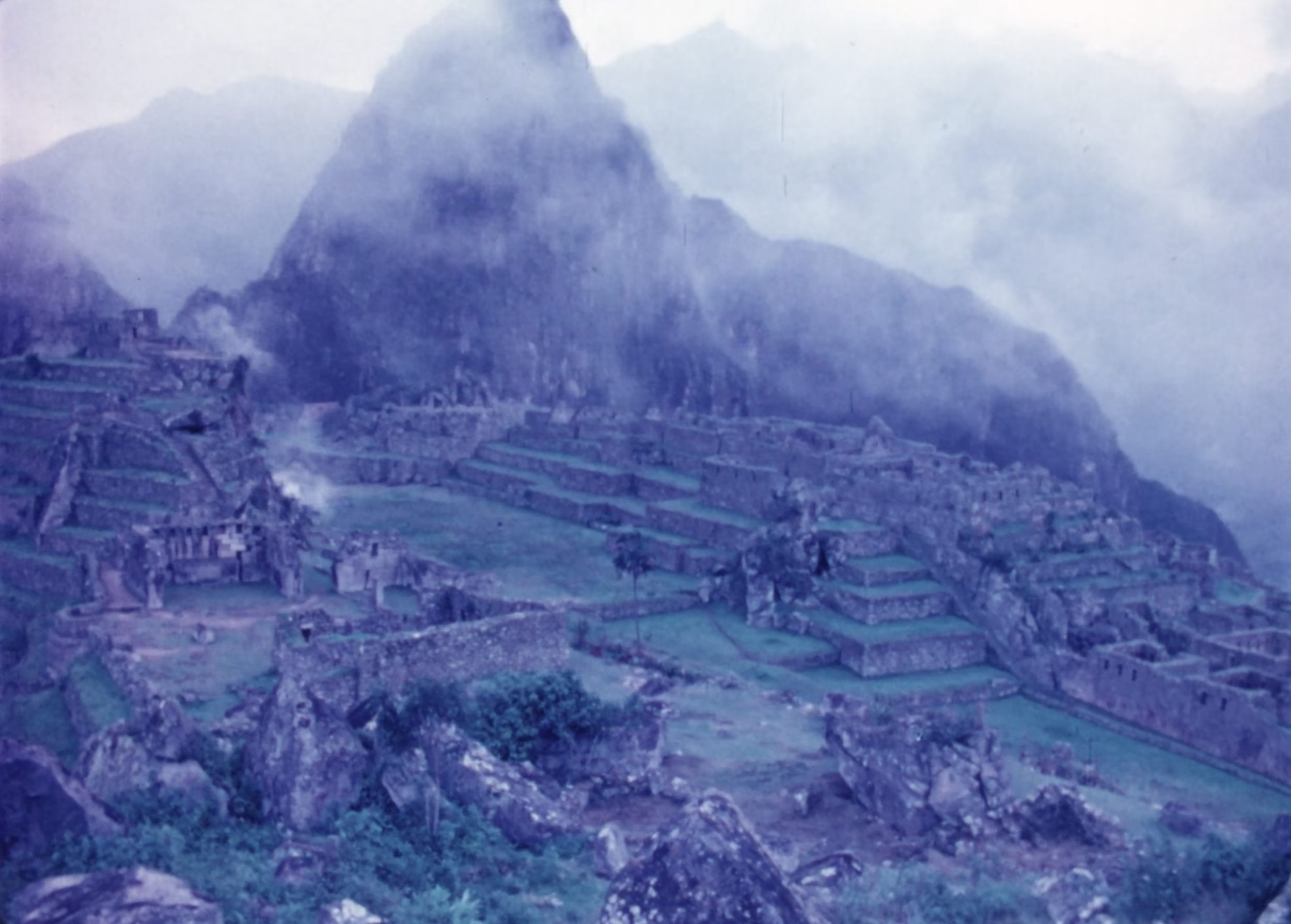
Inca Light (1972)
17 minutes, 16mm, Color, Sound
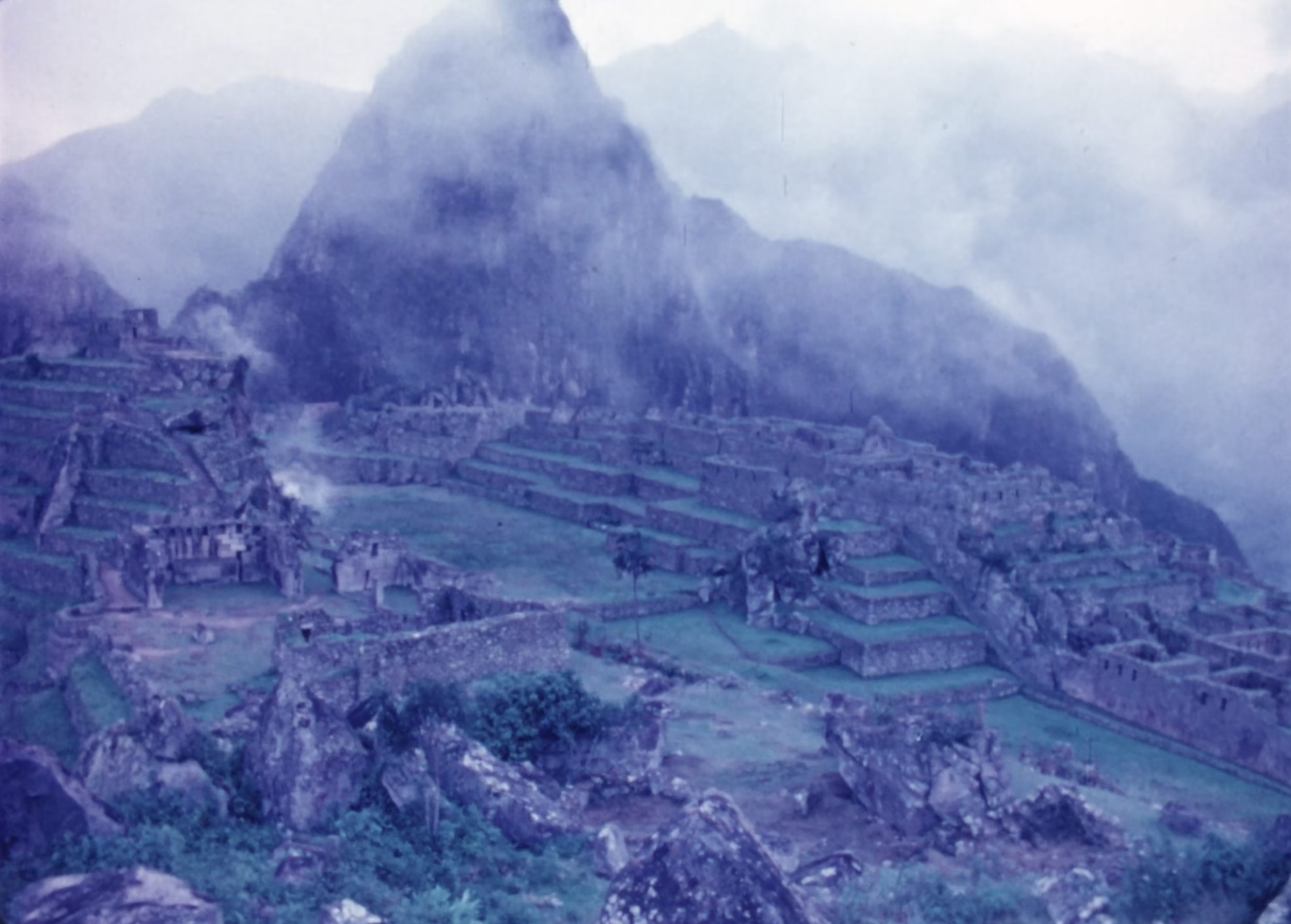
17 minutes, 16mm, Color, Sound
INCA LIGHT, an impressionistic film shot in Cuzco, Machu Picchu, and outlying villages of the Andean center of Peru’s Inca Empire. Inca Light captures in a fast fluid motion impressions of life today that refer us to the past society that has also dwelled here.
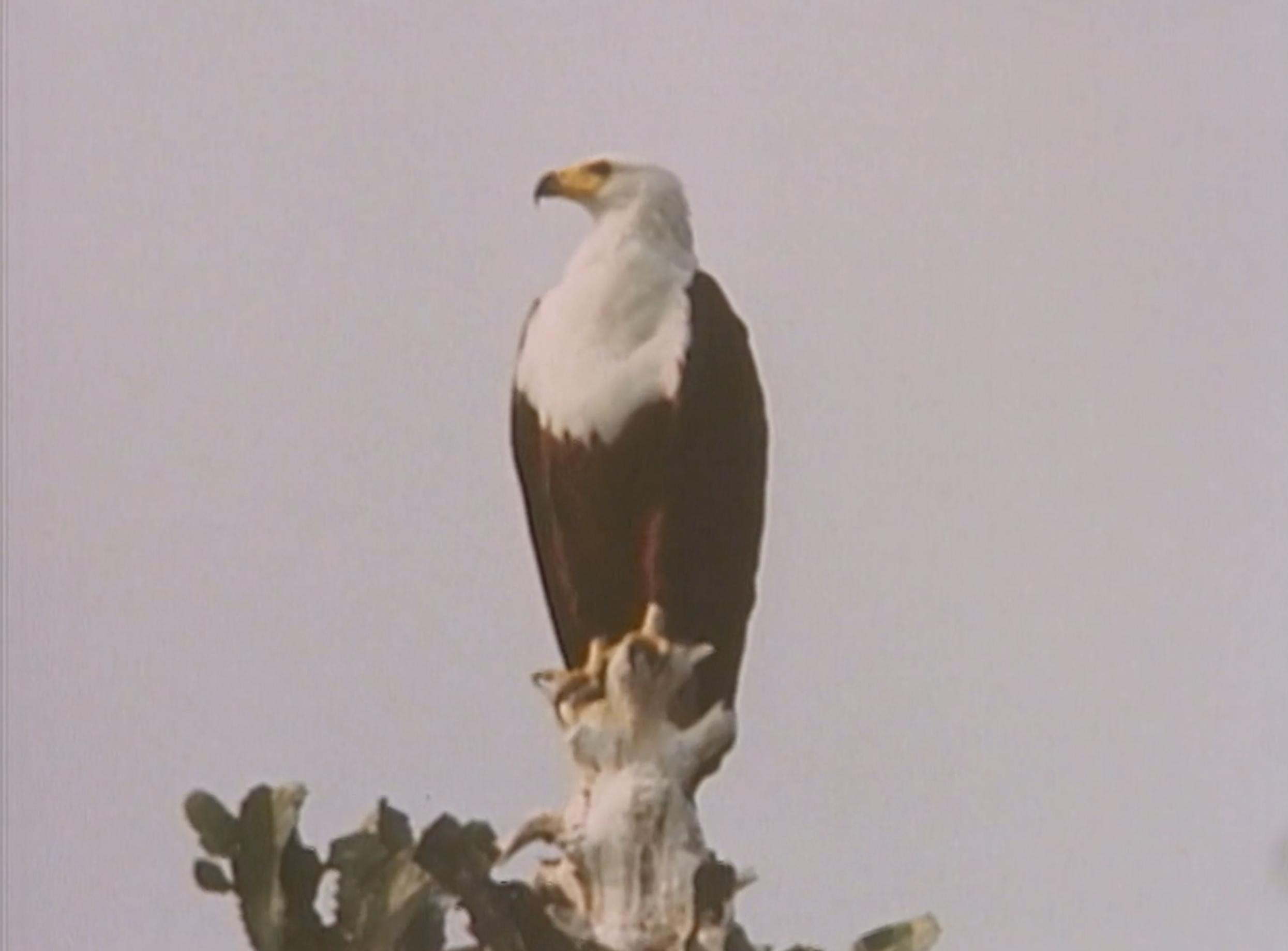
Nzuri: East Africa (1969)
32 minutes, 16mm, Color, Sound
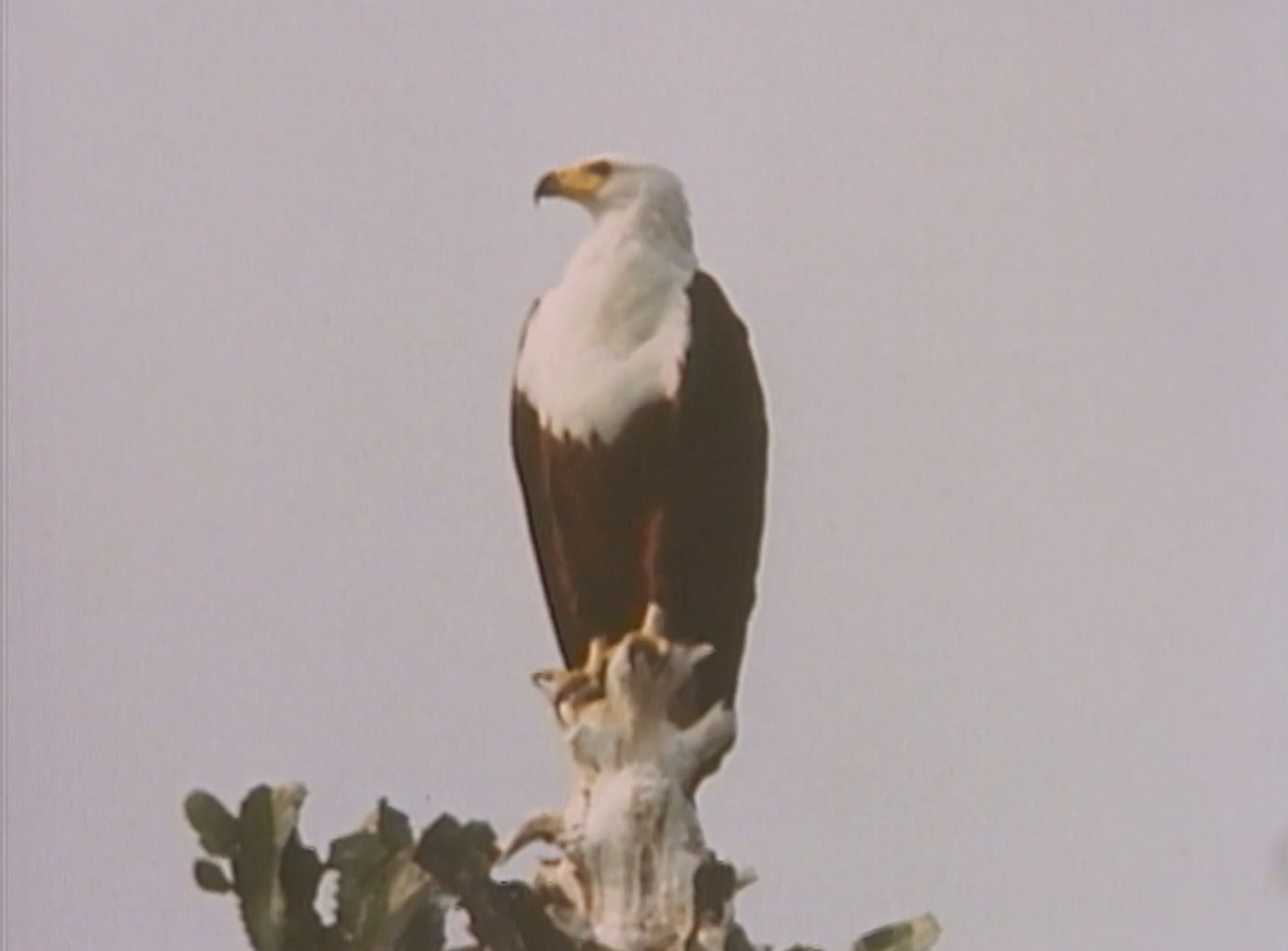
32 minutes, 16mm, Color, Sound
Beginning with Genesis, the film follows the progress of civilization through to modern day Nairobi. Biblical themes combine with pulsating African music, wild animal sounds, and vivid imagery. Unusual juxtapositions of Fulton’s quick cuts and Brown’s big lens shots of mega fauna and tribal dances mesmerize viewers.
Directed by Fulton and Roger Brown of Summit Films, commissioned by Trans World Airlines to promote their new routes to East Africa.
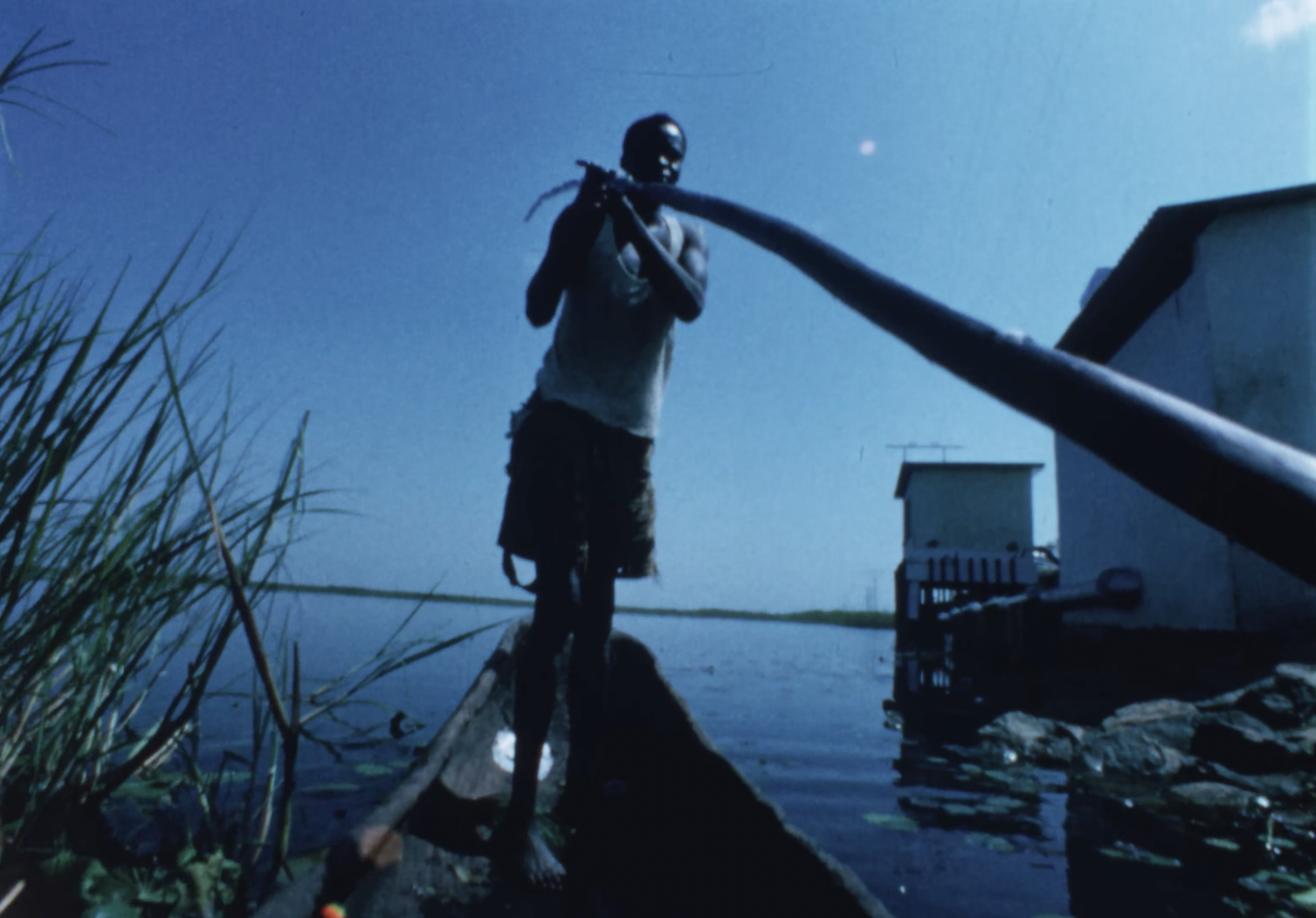
Moonchild (1971)
11 minutes, 16mm, Color, Sound
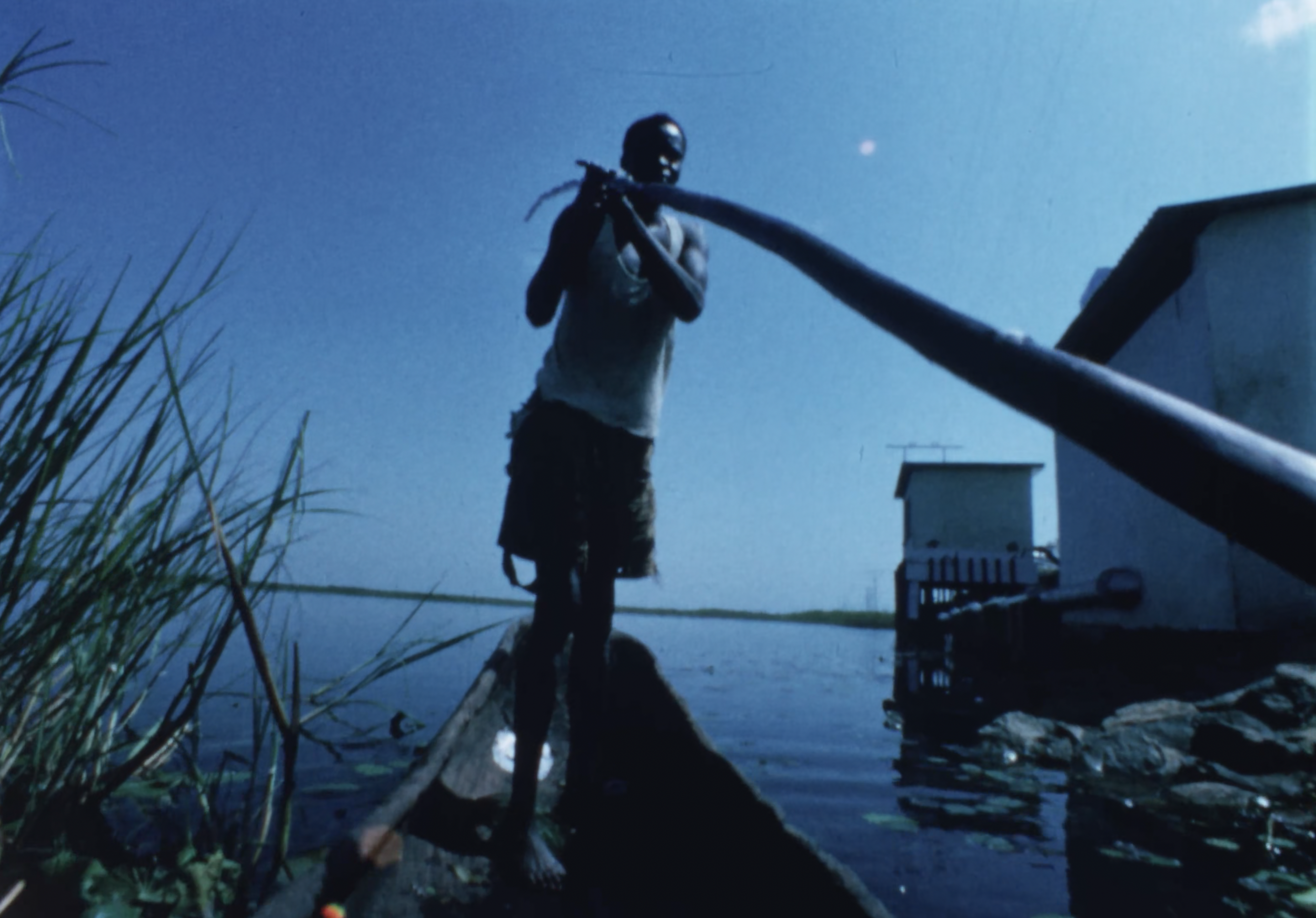
11 minutes, 16mm, Color, Sound
While on assignment to shoot a promotional film for Summit Films and Trans World Airlines (Nzuri - East Africa), Fulton captured a more granular take on the region Moonchild. He maintains an eye for the landscape and the people living there, but includes smaller, less idyllic day to day slices of life.
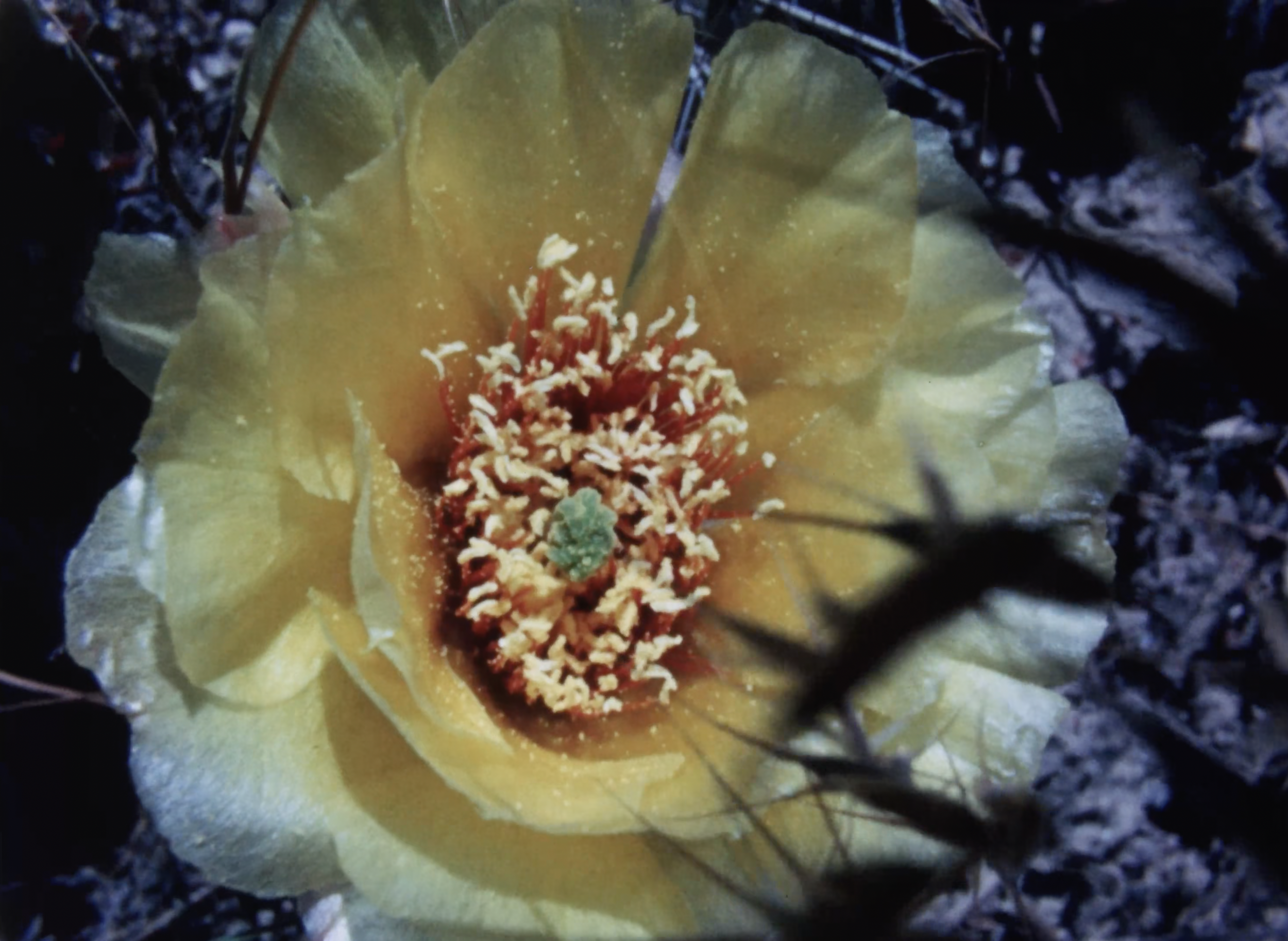
Chant (1970)
14 minutes, 16mm, Color, Sound
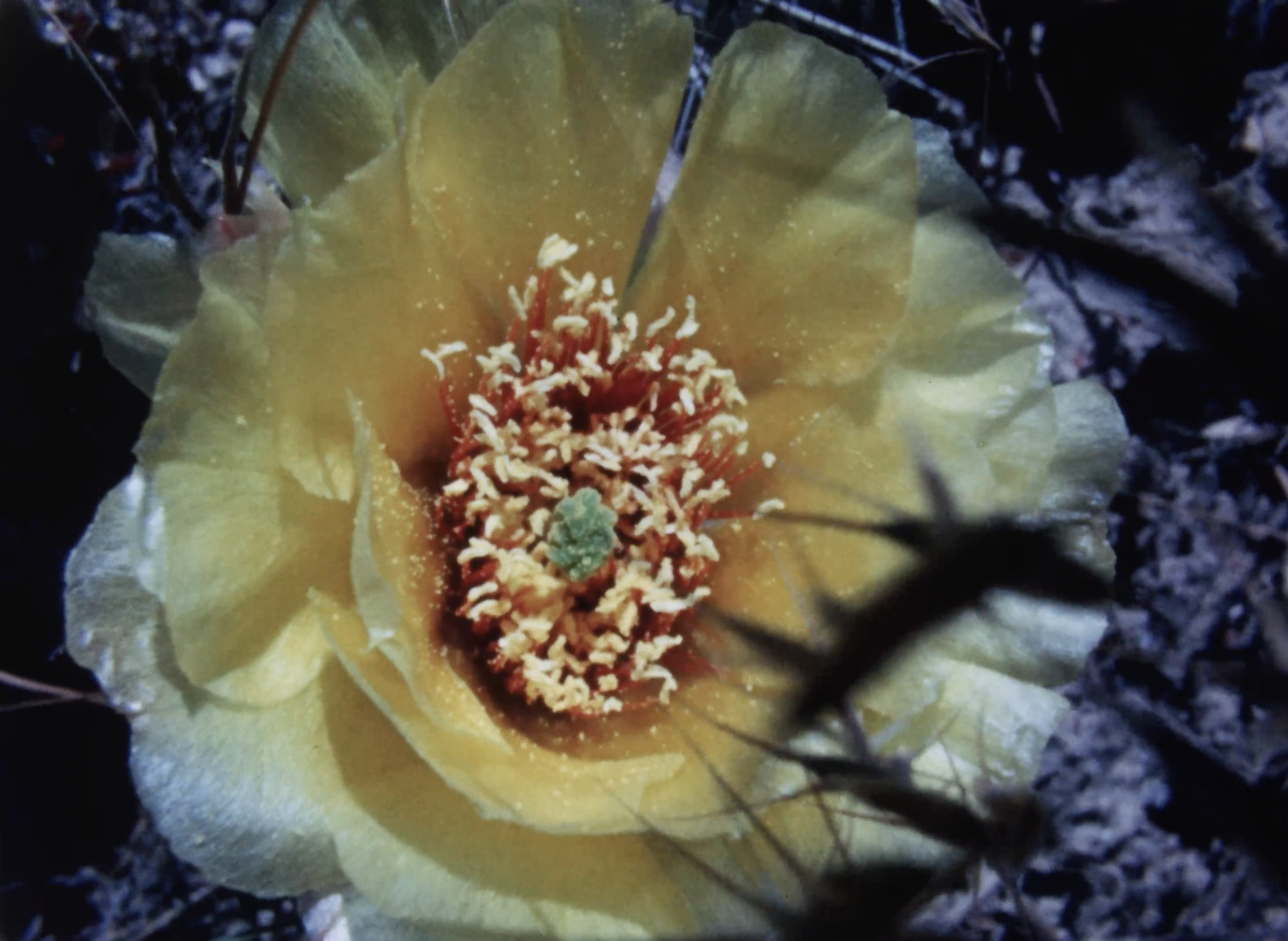
14 minutes, 16mm, Color, Sound
“CHANT is a harmony. Robert Fulton describes the dominant theme of CHANT as the questioning of perceptual assumptions behind our experience.
In this film he creates a new rhythm of impressions. With his camera we enter the subject, are absorbed by it, then emerge to plunge again until we feel the texture of the image.
Forest, leaves, lakes, clouds spilling over mountains, man's art, flowers, fields and faces combine, separate, assume an individual beauty, then recombine.
CHANT is a reorientation of vision, a union of sights and sounds which, through the force of its beauty, suggests a different way of appreciating and understanding the fundamental integrity of experience.
CHANT discloses a remarkable film talent.
Robert Fulton demonstrates not only technical innovation and mastery but a whole new language of vision.”
- Robert Gardner, Filmmaker
Flashing images of flowers, mountains, and people. Buddhist chants, jazz keys for a soundtrack.
Swimming Stone (1969)
13 Minutes, 16mm, Color, Sound
13 Minutes, 16mm, Color, Sound
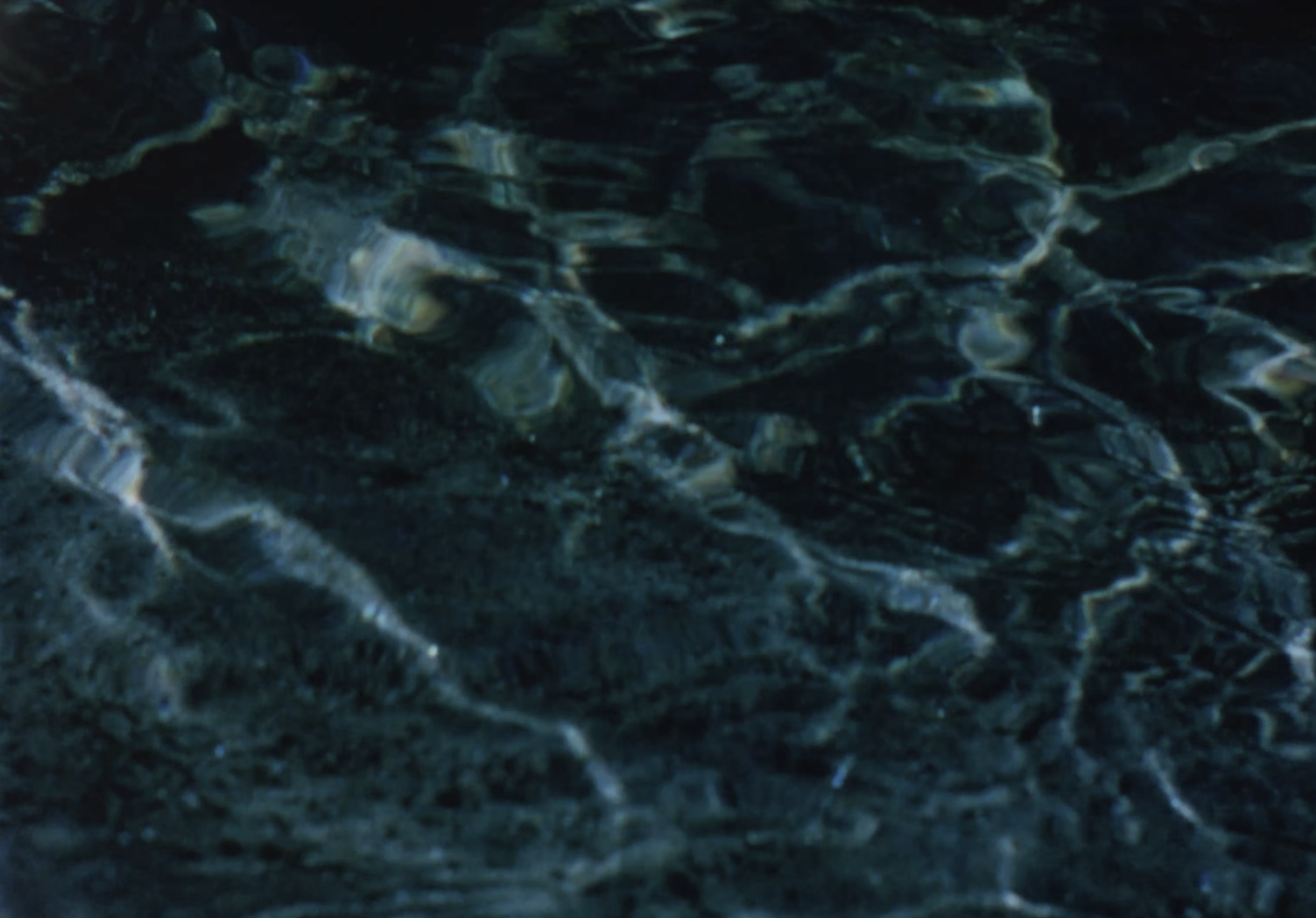
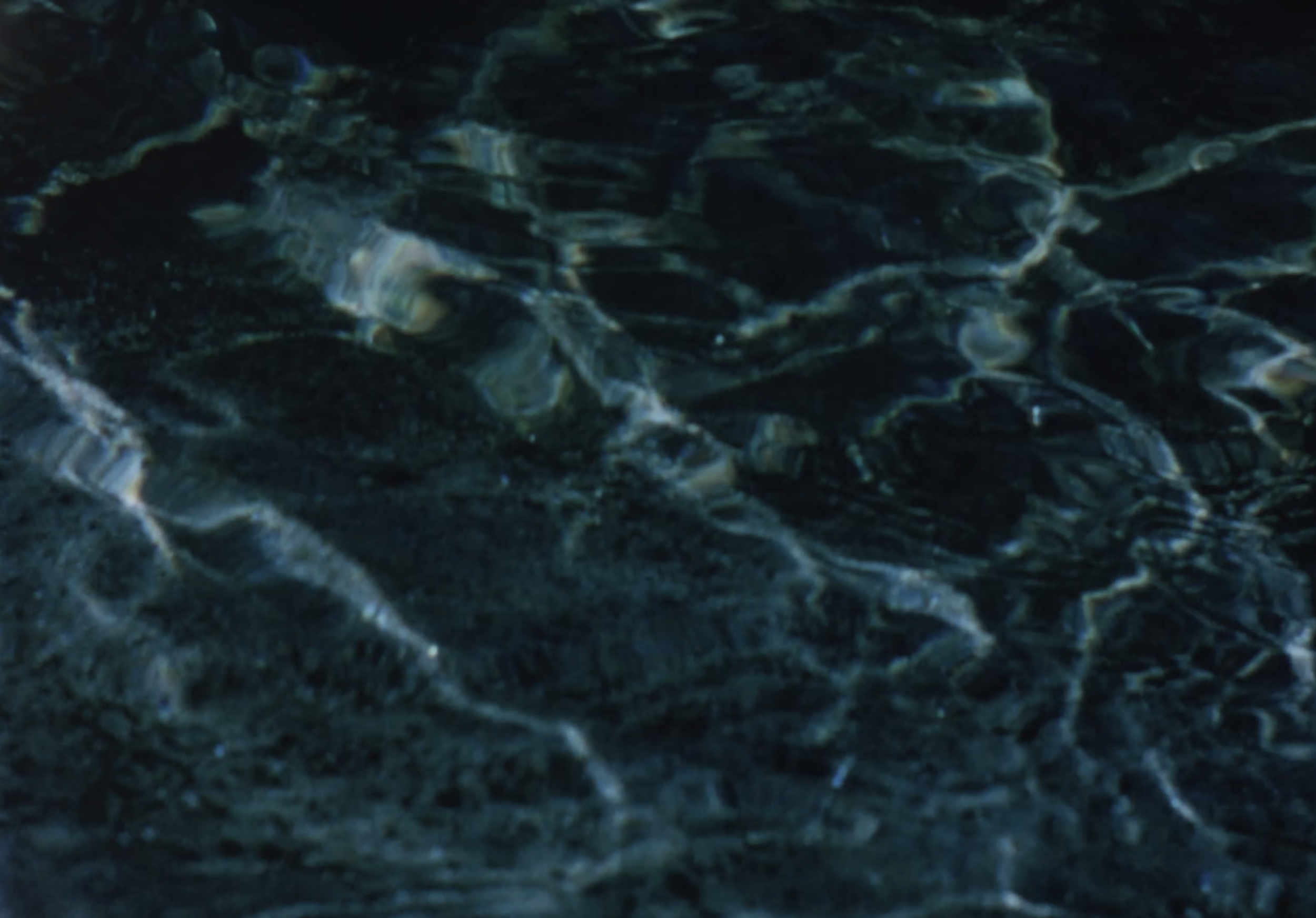
Fluidity of stone. Subatomic motion asserting a surface. Mind loop wandering. Visitation of sound matrix. Liquid solid. Nature transforms a planetary cycle. Relations of a timeless void. Heavy emphasis on single-frame shooting, fractured music.
Starlight (1969)
5 minutes, 16mm, Color, Sound
5 minutes, 16mm, Color, Sound
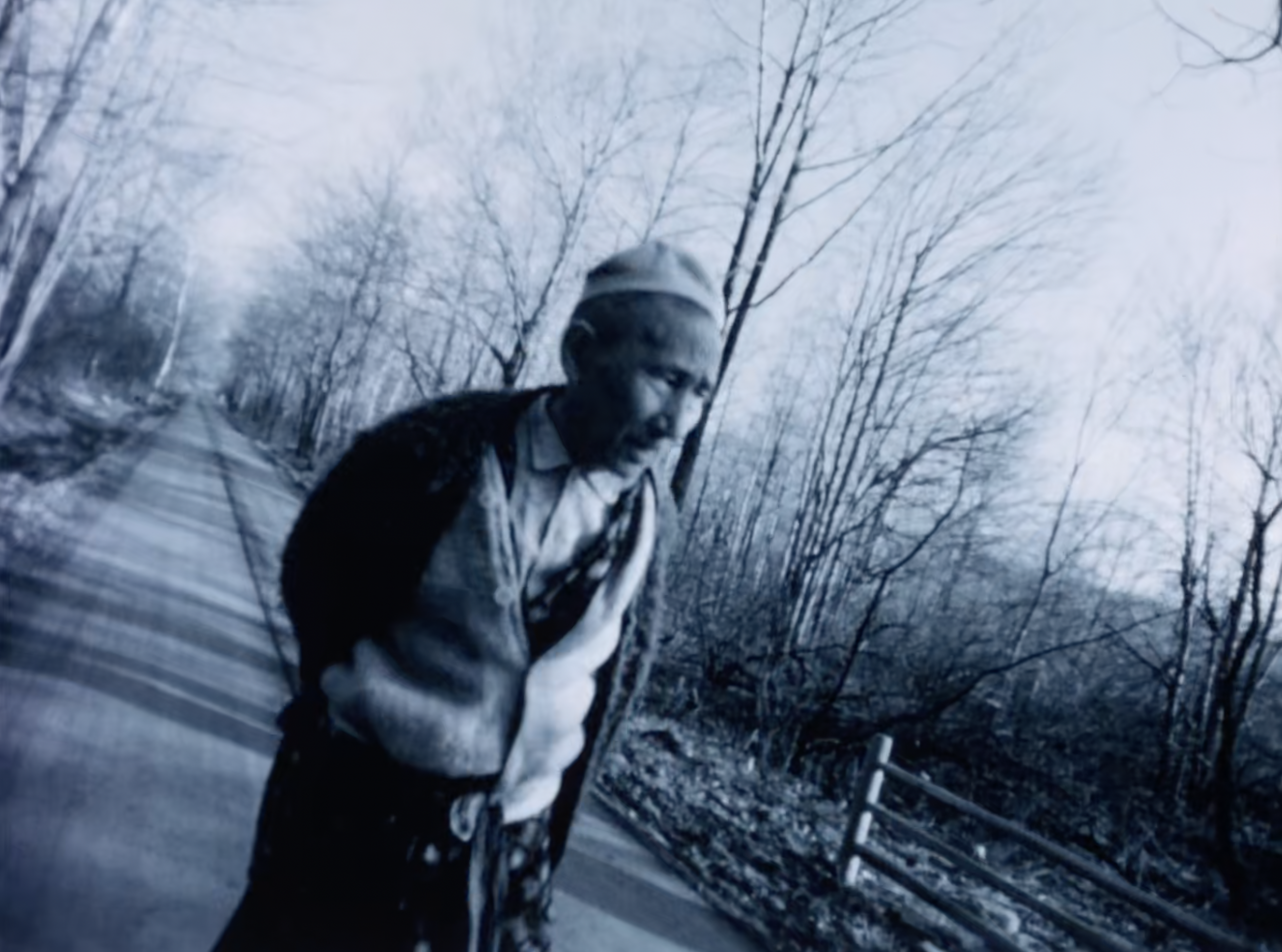
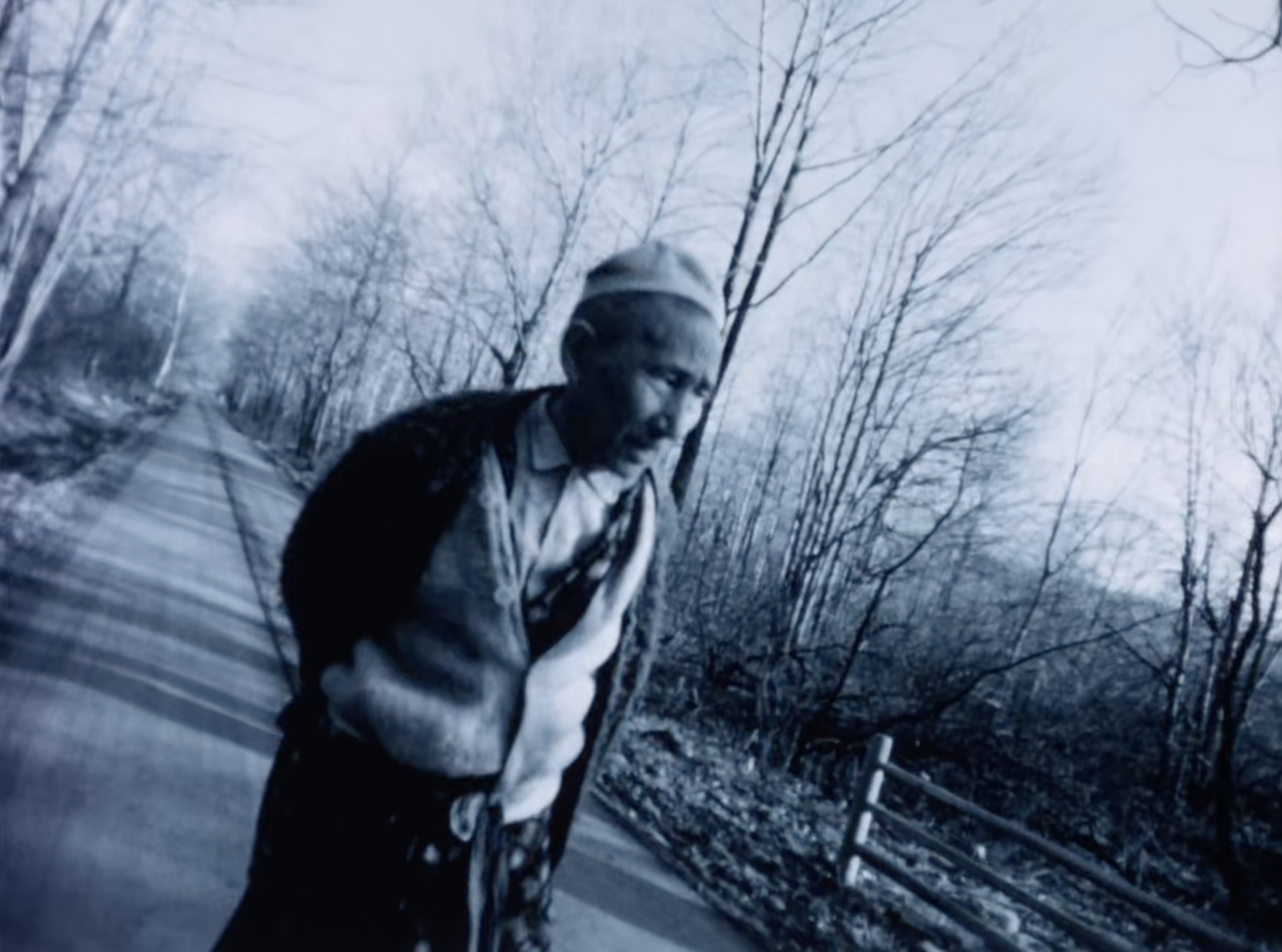
A Tibetan Lama. His disciple. The disciple's wife, young boy and terrier. An old tugboat crossing the Mississippi River. A man in his seventh month of solitude. His hermitage built by his own hands. The man's bloodhound; his cat. Clouds crossing the Continental Divide. A mountain stream. A girl. The sun.
Starlight is one of Fulton's earliest forays into creating experimental films with overt themes of spirituality, acting as a bridge between his rapid visual language and the manifestation of buddhist teachings in the natural world.
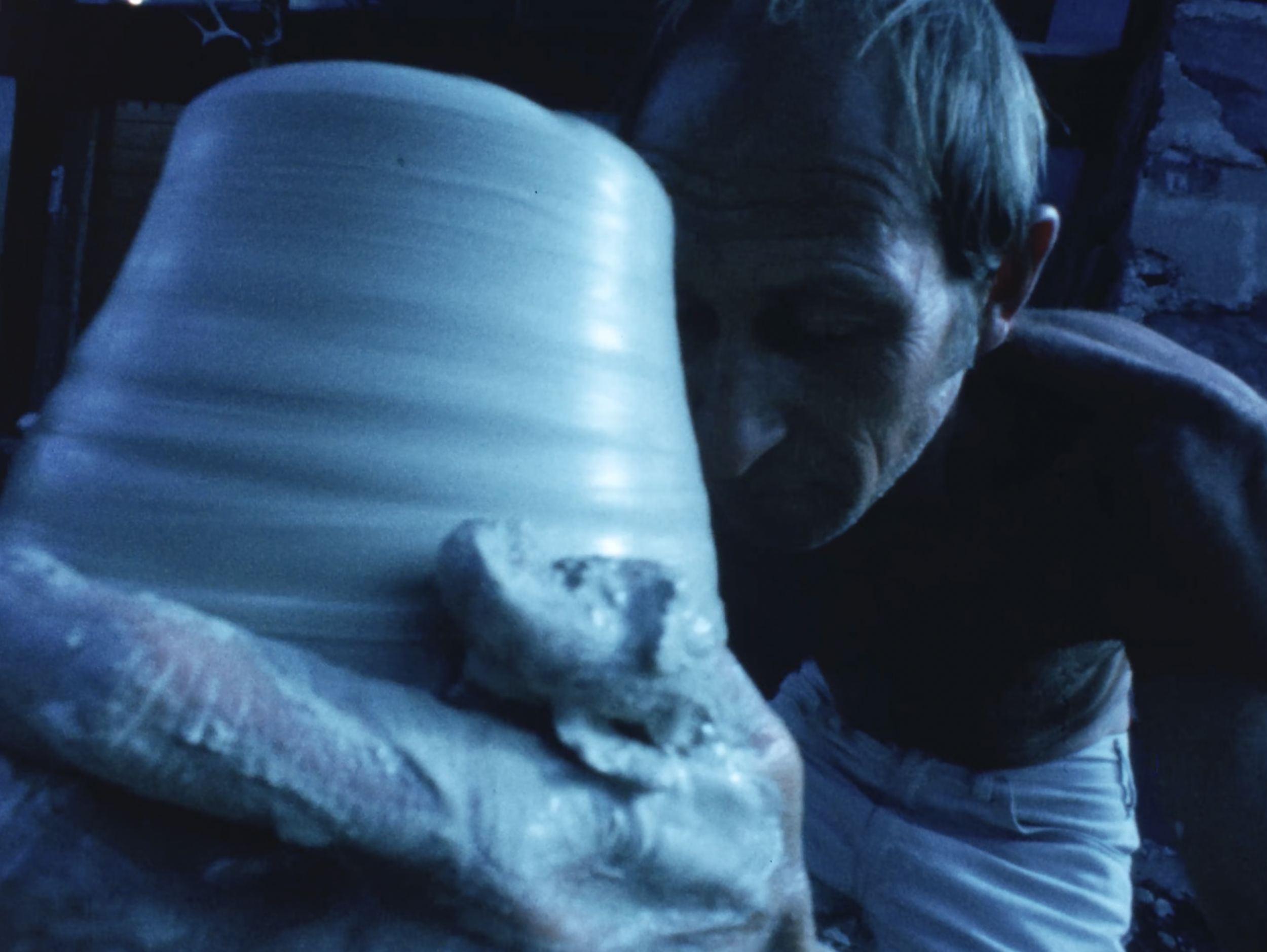
Earth and Fire: Soldner Ceramic (1969)
25 minutes, 16mm, Color, Sound
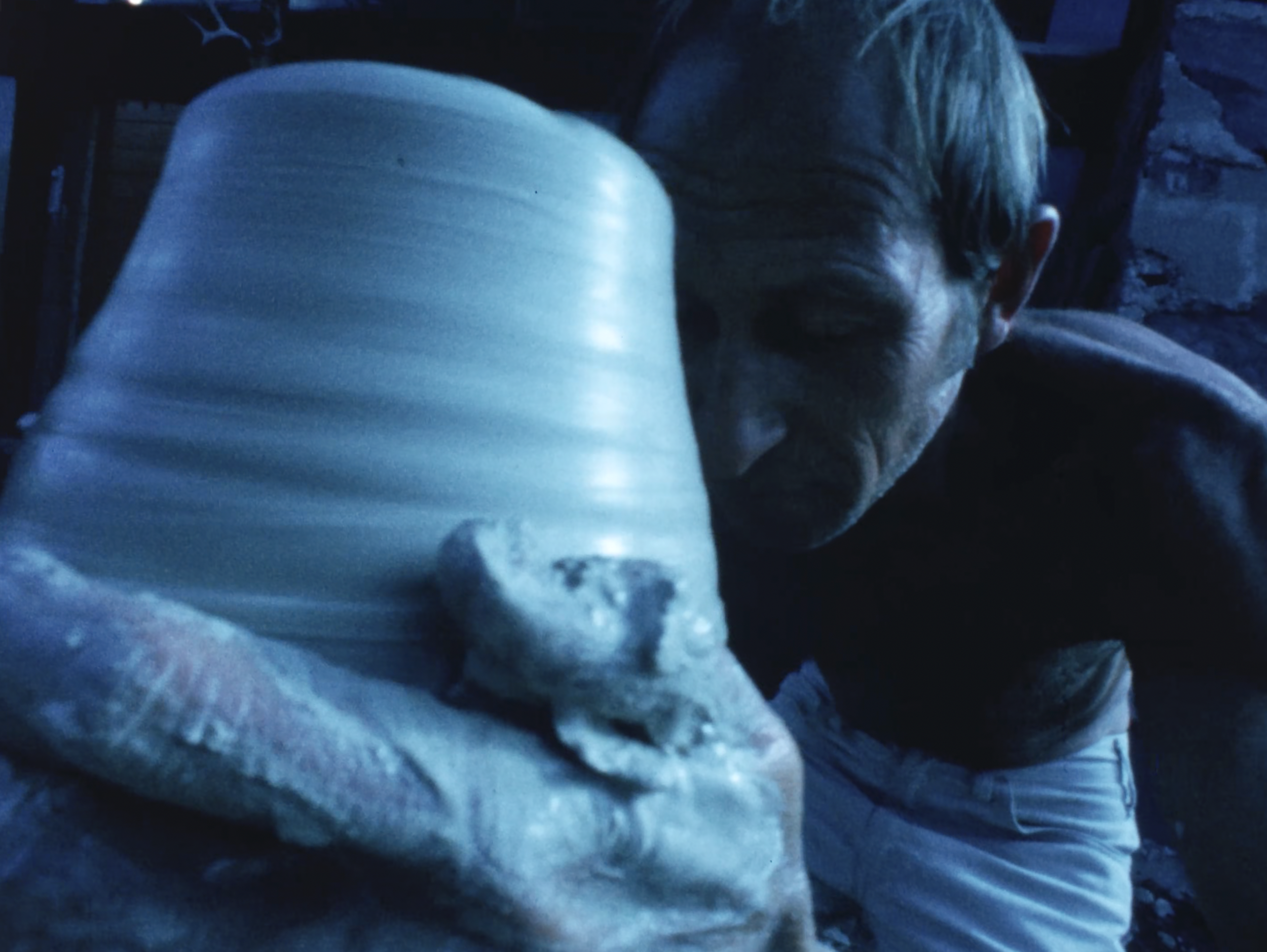
25 minutes, 16mm, Color, Sound
An exploration into the work of master ceramicist Paul Soldner, at his studio in Aspen, CO. Images of his practice paired with philosophical musings at the intersection of art and nature. Soldner was known for popularizing an American style of Japanese Raku firing, as well as a founder of the Andersen Ranch Arts Center.
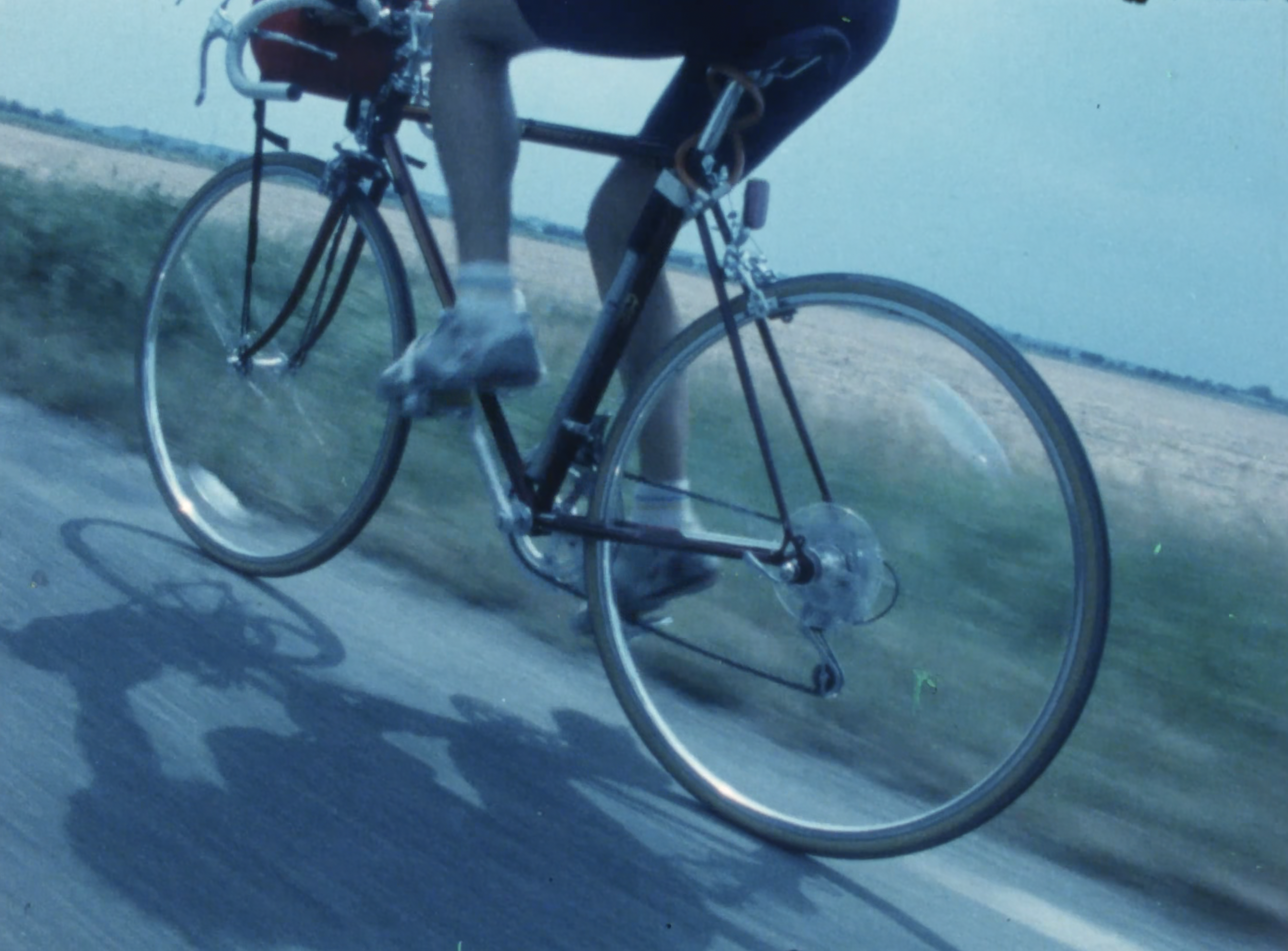
Bicycle France
10 minutes, 16mm, Color, Sound
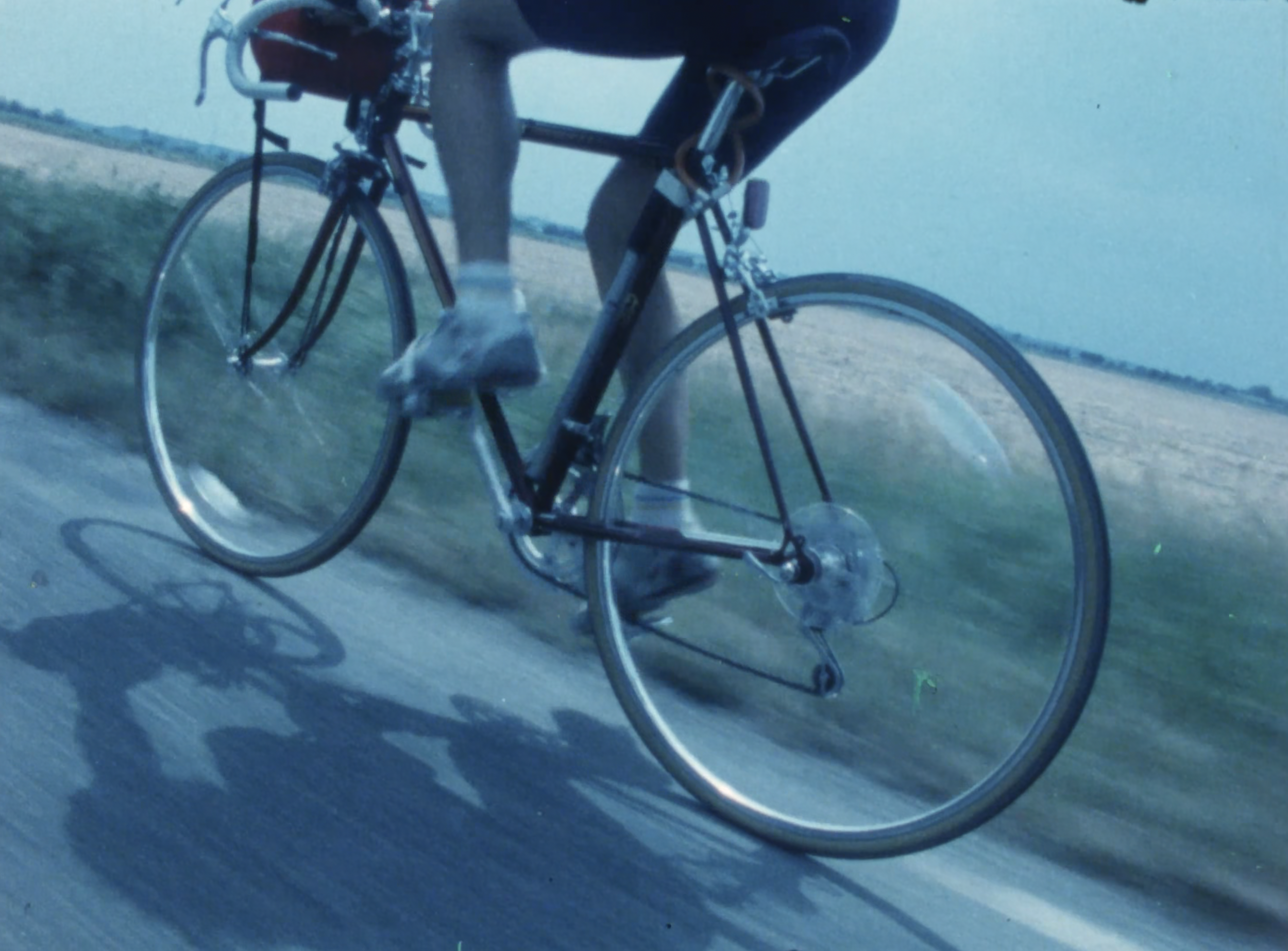
10 minutes, 16mm, Color, Sound
An unreleased roll of film found in Fulton’s archive with an accompanying jazz soundtrack, simply labeled “Bicycle France.” A documentation of southern France, from the motion of anonymous cyclists. Smaller in scale than Fulton’s grand ethnographic documentaries, such as Inca Light, but with a similar attention to detail, shadow, and composition.
Likely from the 1970’s.
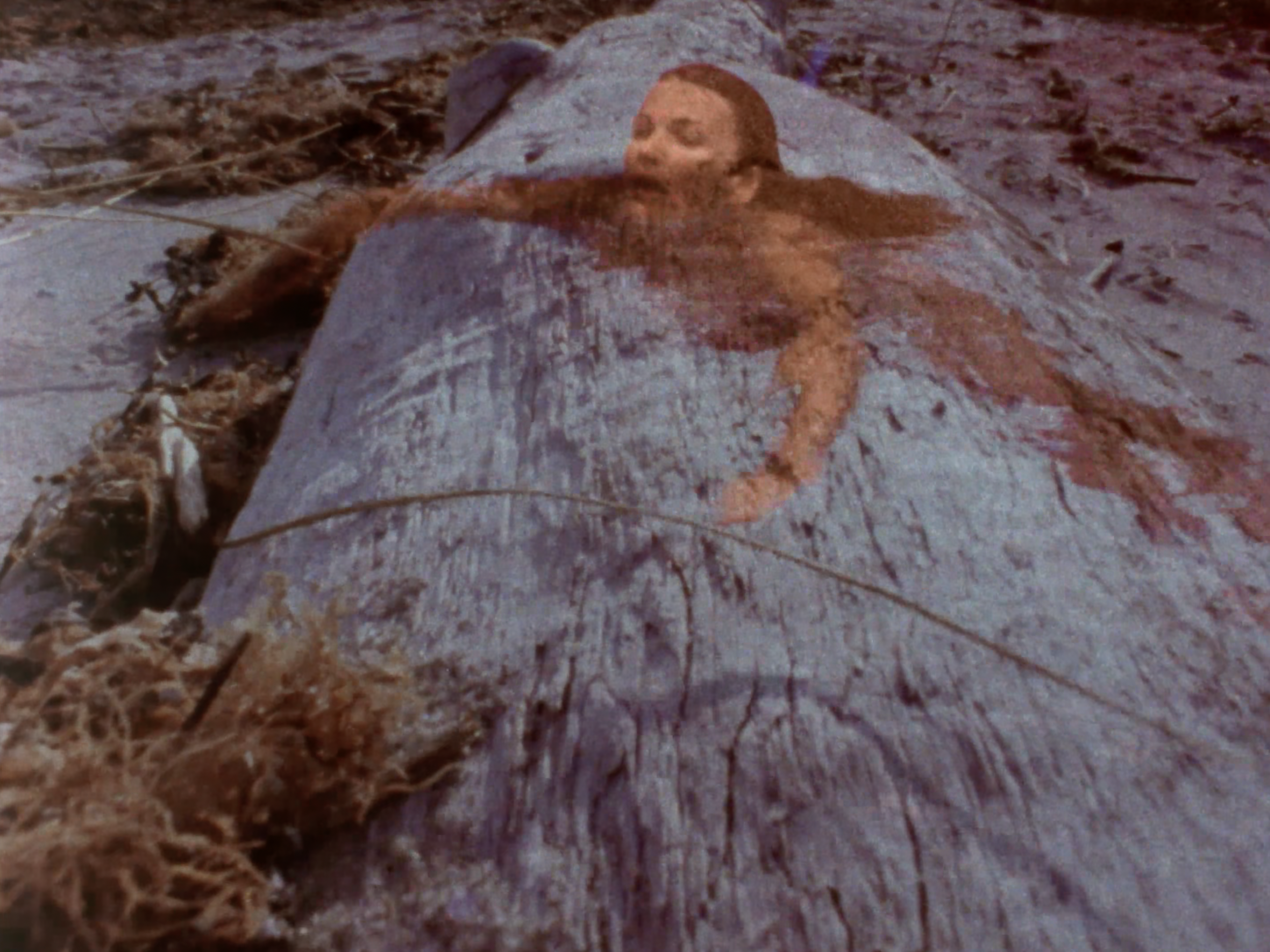
Structure Space
5 minutes, 16mm, Color, Silent
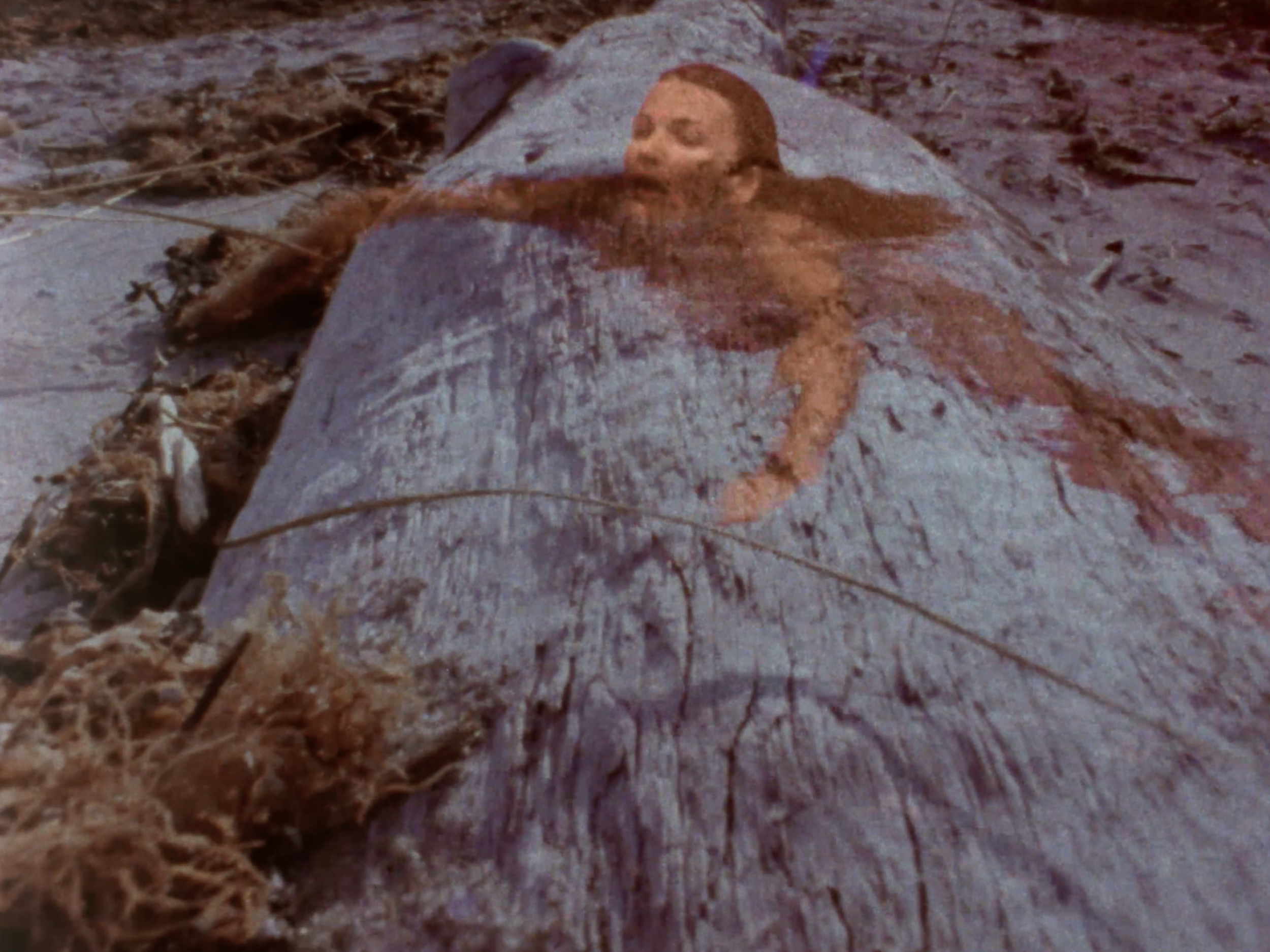
5 minutes, 16mm, Color, Silent
An unreleased film. Children on the beach, a nude woman swimming, a view from an airplane. Seemingly an exploration in heavily layered footage.
Likely from the early 1970’s.
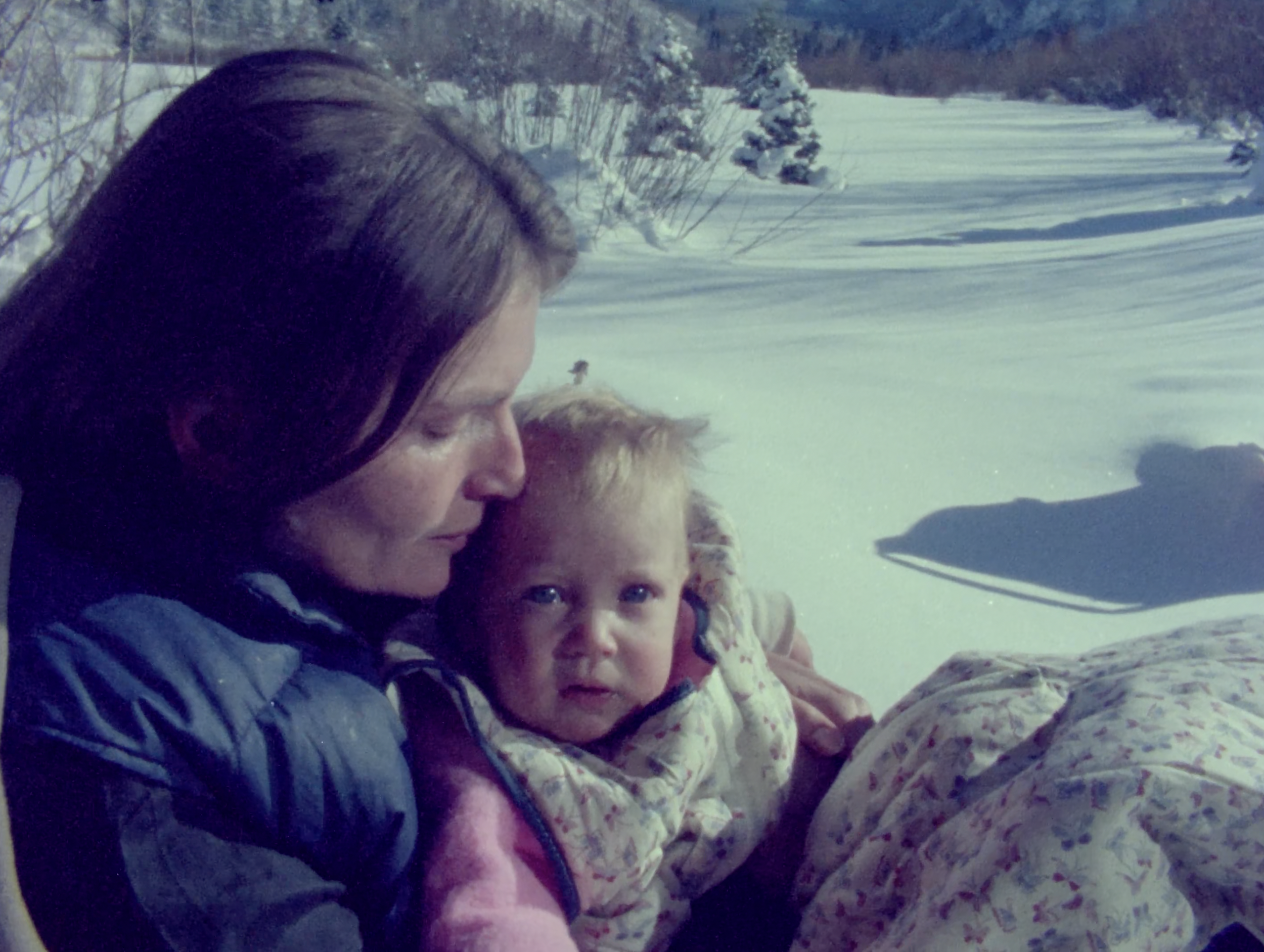
Paris Non-Denumerably
9 minutes, 16mm, Color, Silent
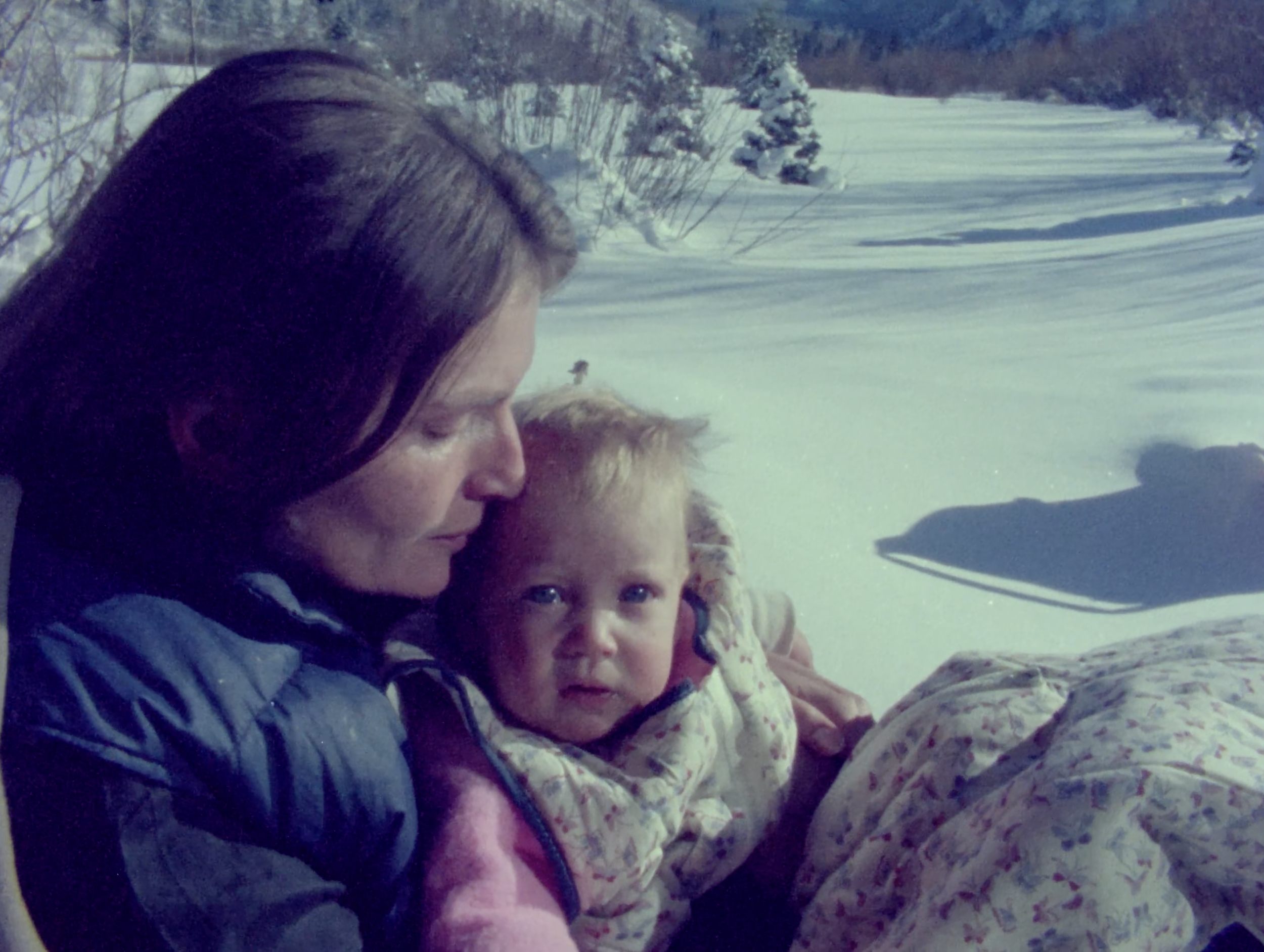
9 minutes, 16mm, Color, Silent
An unreleased collection of home movies shot with Fulton’s signature composition and sense of fluidity. Possibly an unfinished film, or a test of corrective blue filters, likely from the early 1970’s.
Scenes from the home, the shore, and Colorado.