
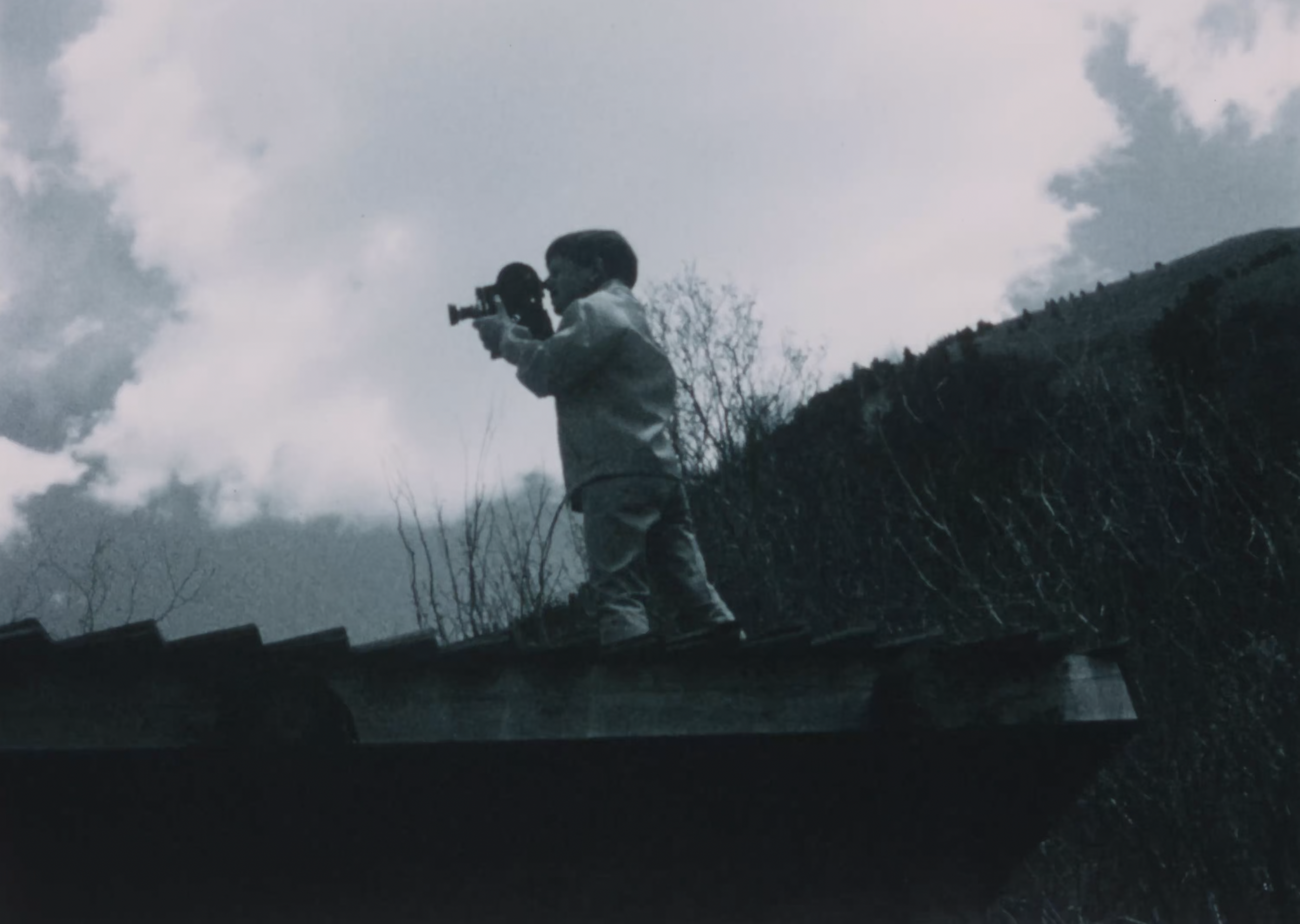
Alice Film (1971)
11 minutes, 16mm, Color, Silent
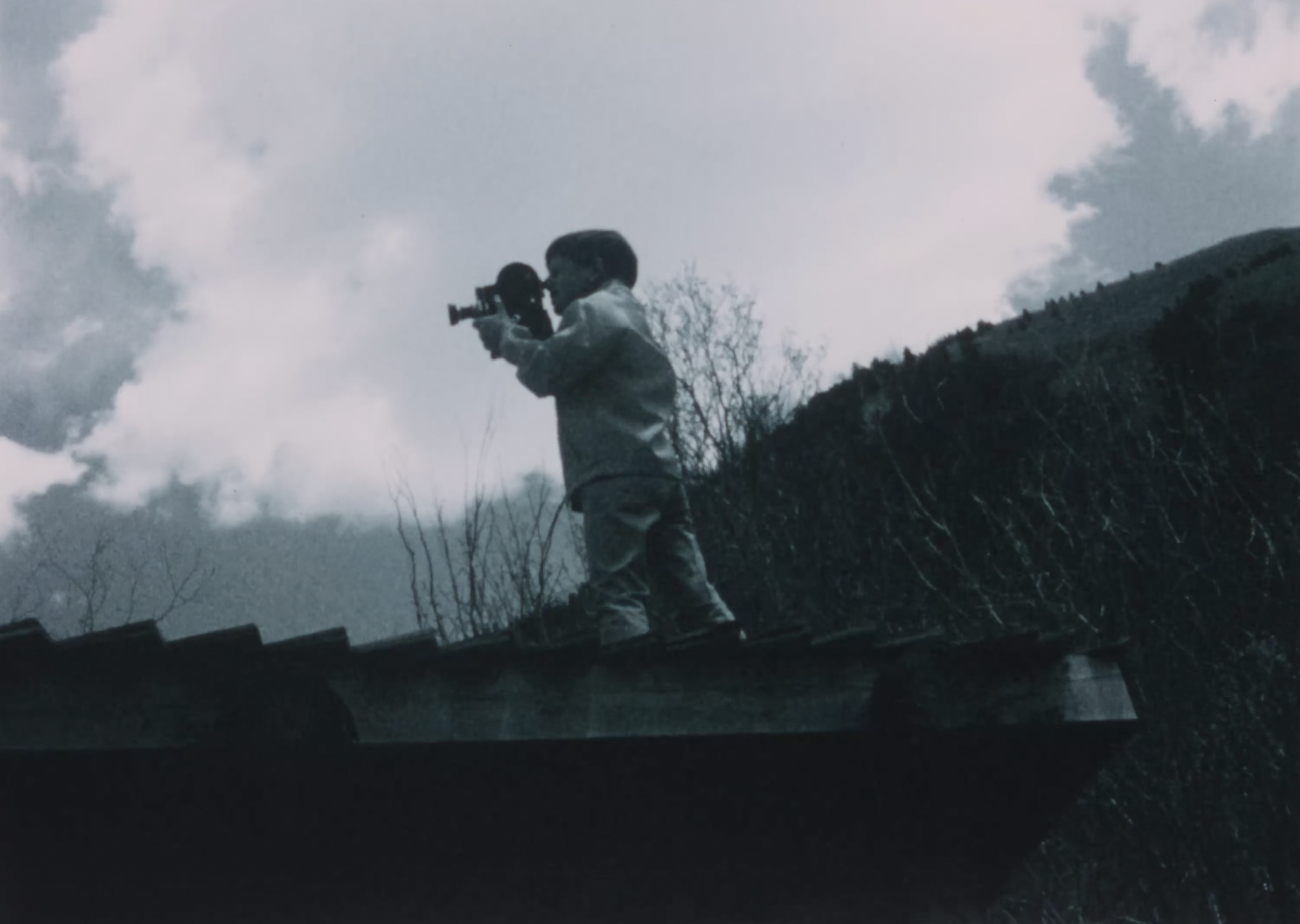
11 minutes, 16mm, Color, Silent
An experimental short featuring winter scenes in Aspen, Colorado. Children play in the snow, ceramist Paul Soldner fires a pot, Fulton’s family runs in a field.
Rapid images, animations created by scratching film negative, multiple exposures.
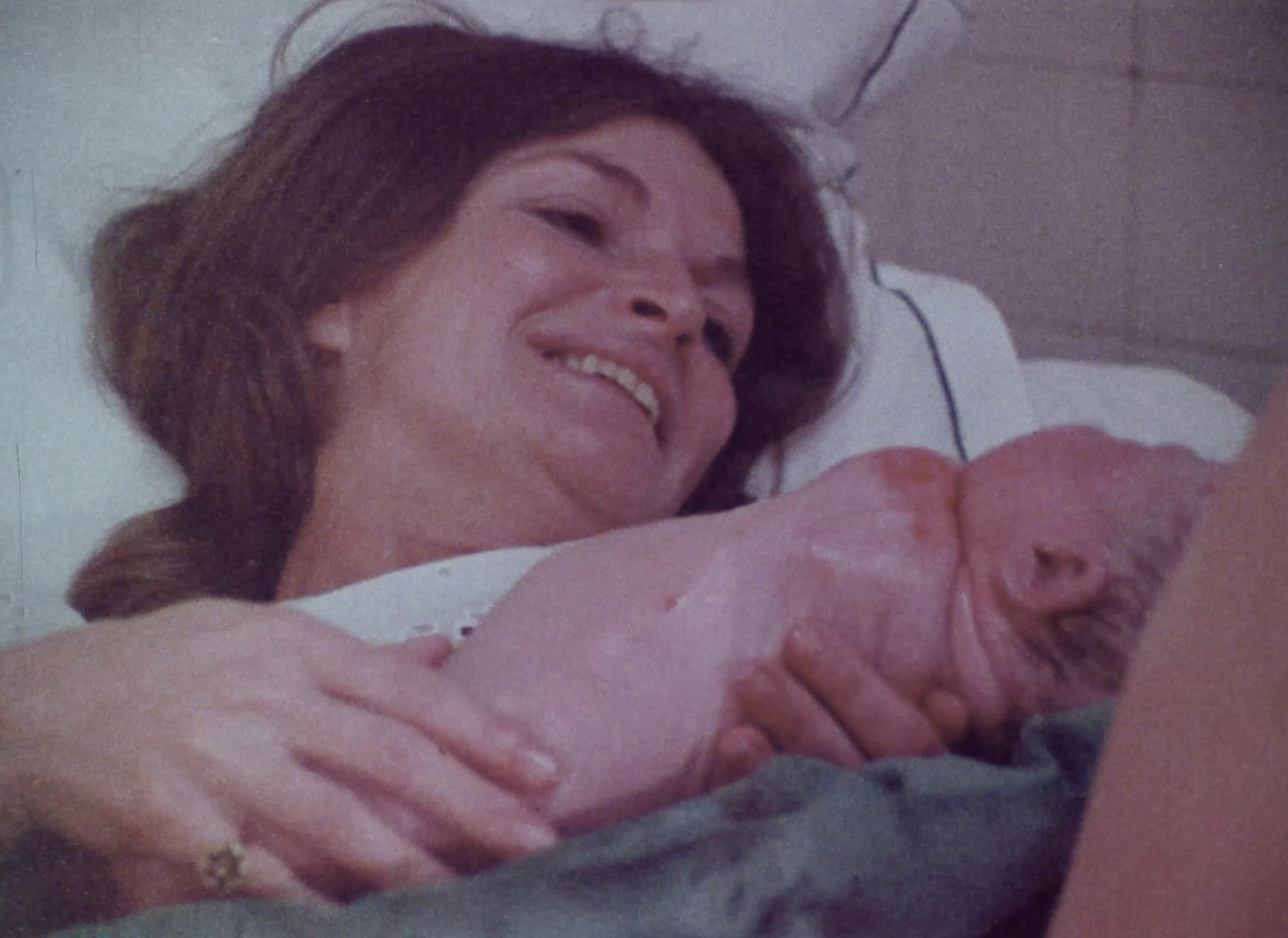
Paris Birth Film (1979)
44 Minutes, 16mm, Color, Sound
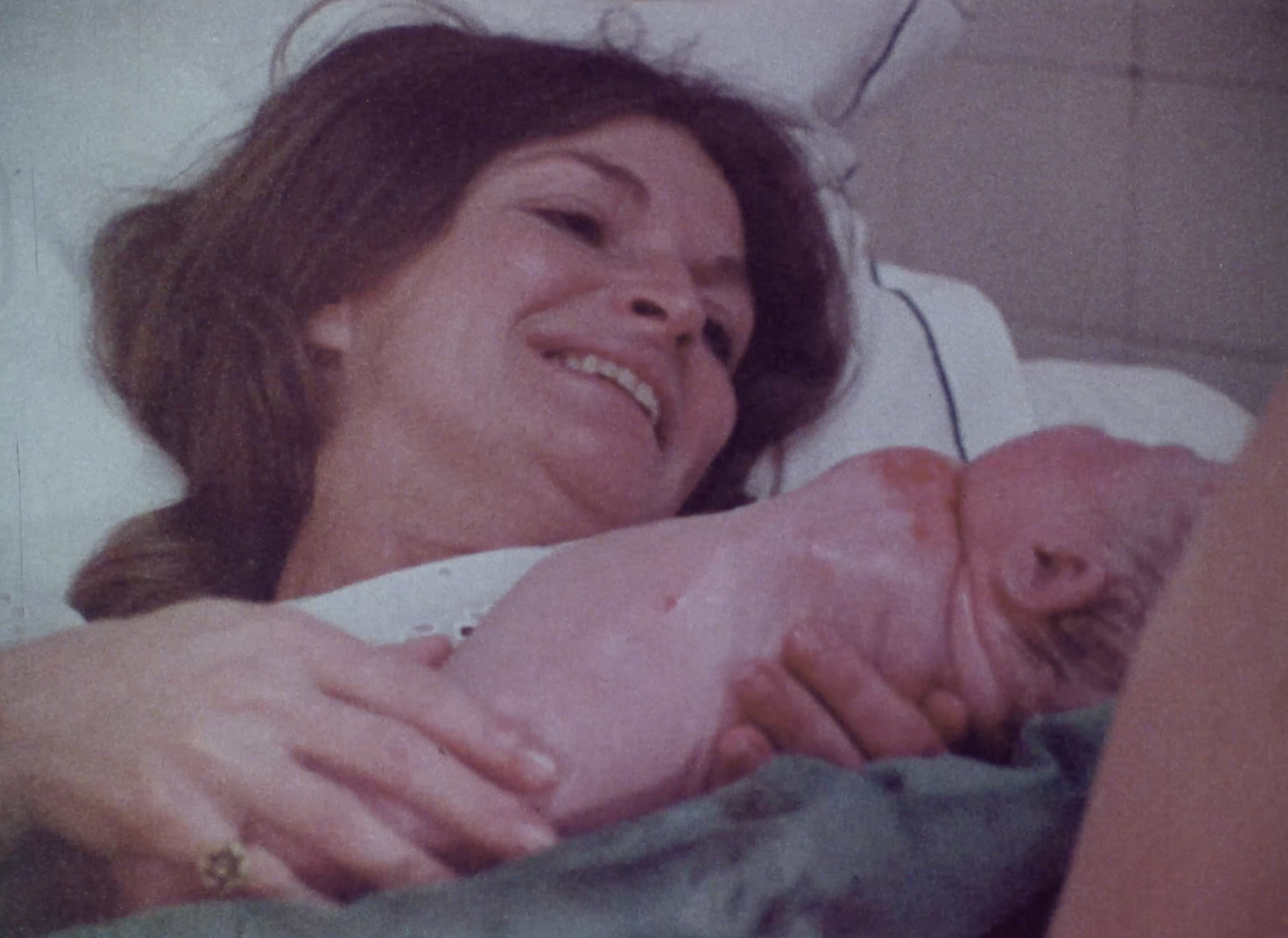
Composite: 44 minutes, 16mm, Color, Sound
Reel 1: 39 minutes, 16mm, Color, Sound
Reel 2: 34 minutes, 16mm, Color, Silent
Reel 3: 44 minutes, 16mm, Color, Sound
Reel 4: 37 minutes, 16mm, Color, Silent
A story of Pregnancy and Birth. Shot in Paris in 100 days, silently following Fulton’s wife in enigmatic adoration leading up to the live birth of their child. The film was originally exhibited as four separate projectors running simultaneously on the same screen, similar to an earlier Fulton project: Street Film Part Zero (1975).
This Composite Restoration was created by archivists in an attempt to recreate the overlapping layered effect of all four reels in a digital format.
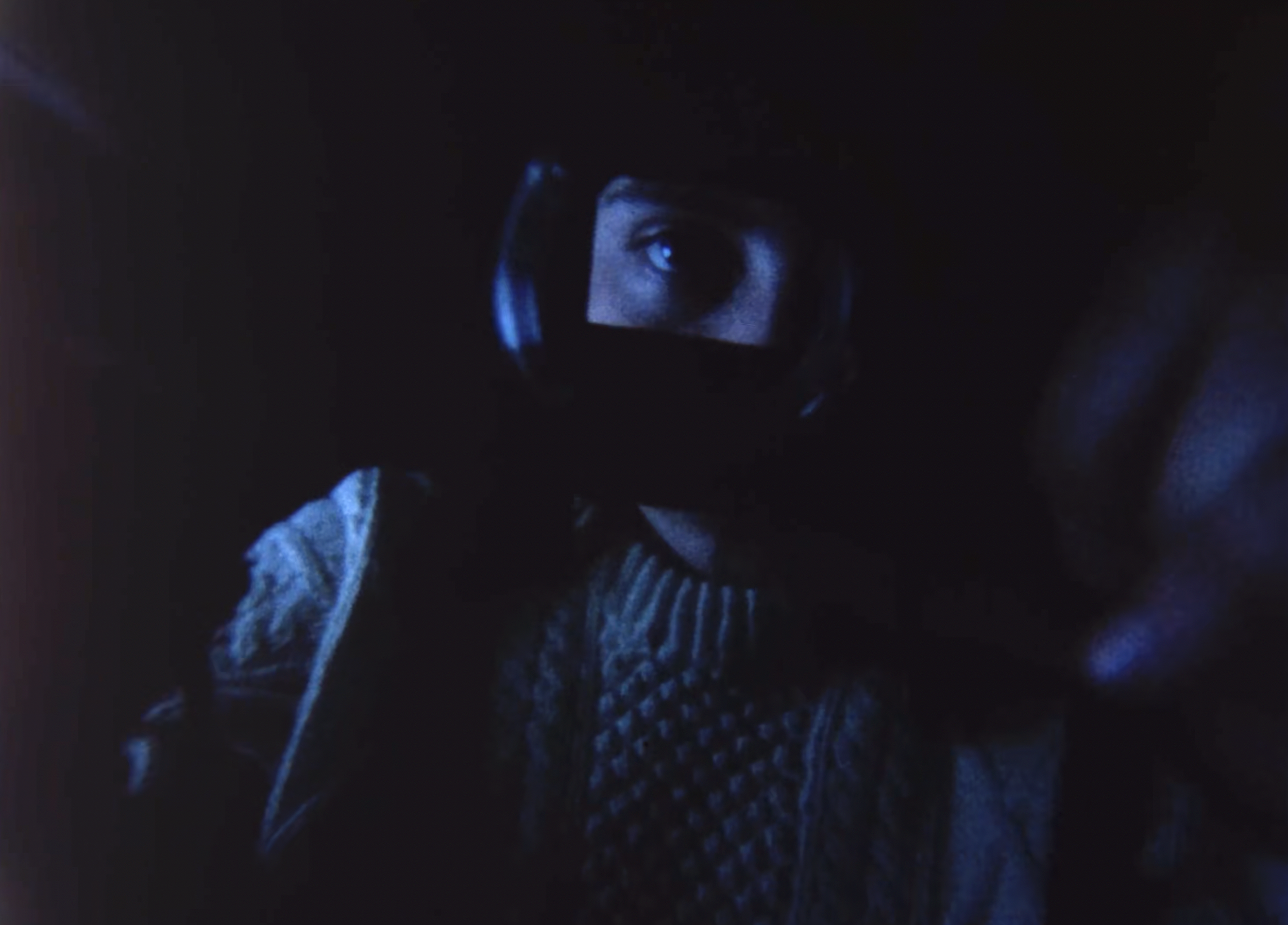
Third Law of Thermodynamics (1967)
2 Minutes, 16mm, Color, Sound
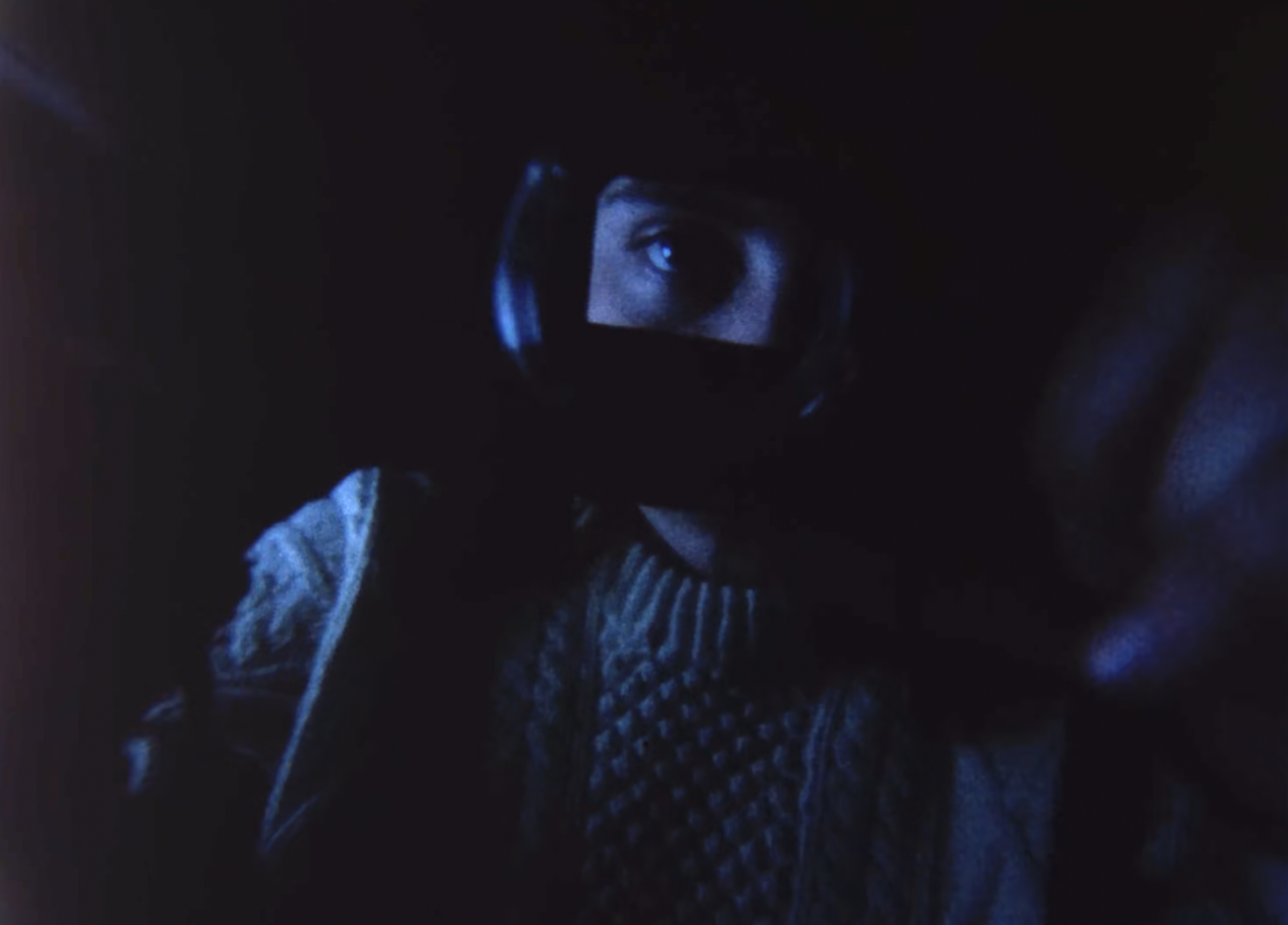
2 Minutes, 16mm, Color, Sound
An early experiment in rapid frame capture. Winter in New England. Twisting frozen branches. An appearance by Geshe Ngawang Wangyal. Narration in english and french on energy, thermodynamics.
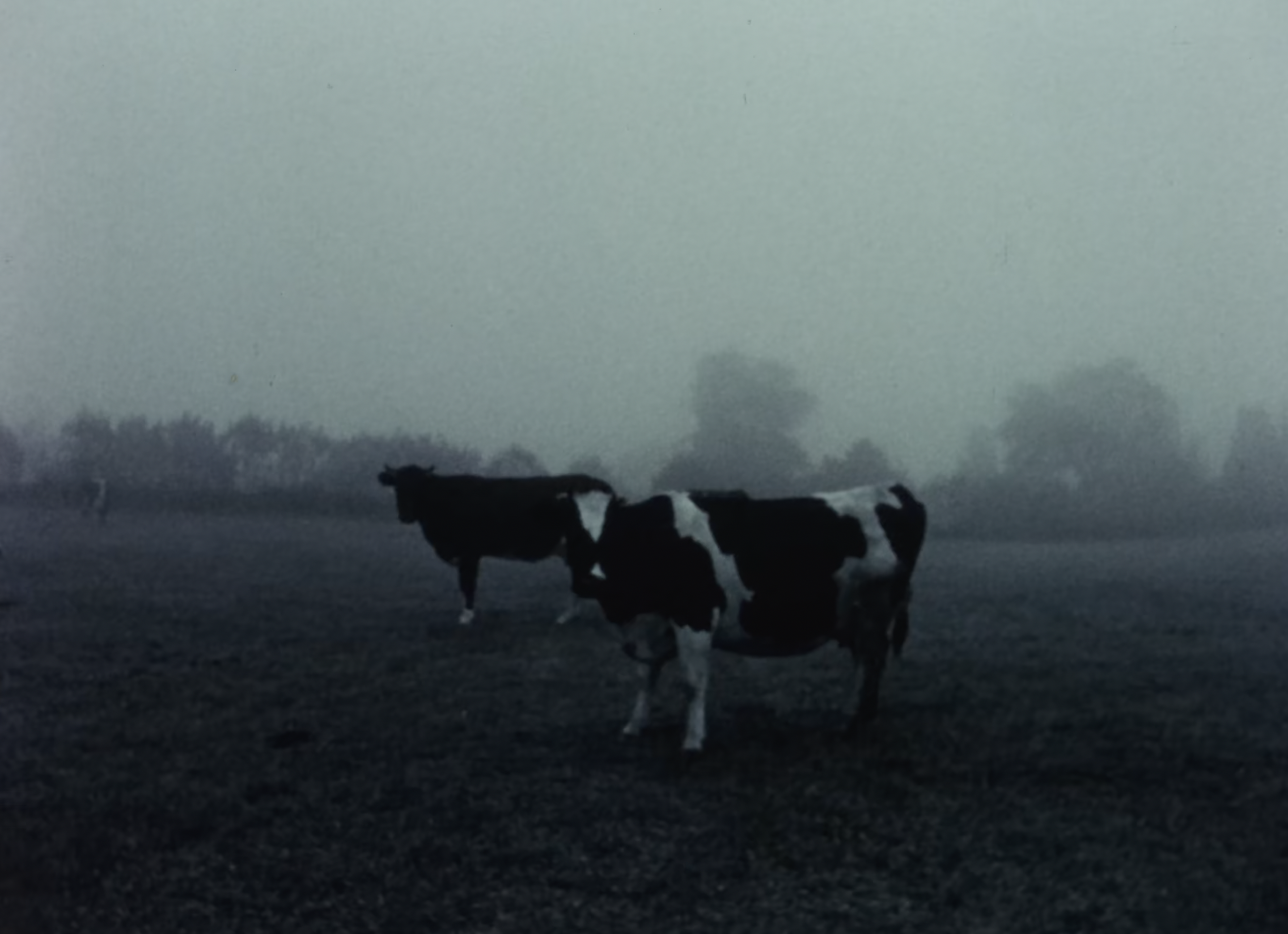
Cows and Leonardo (1967)
3 Minutes, 16mm, Color, Silent
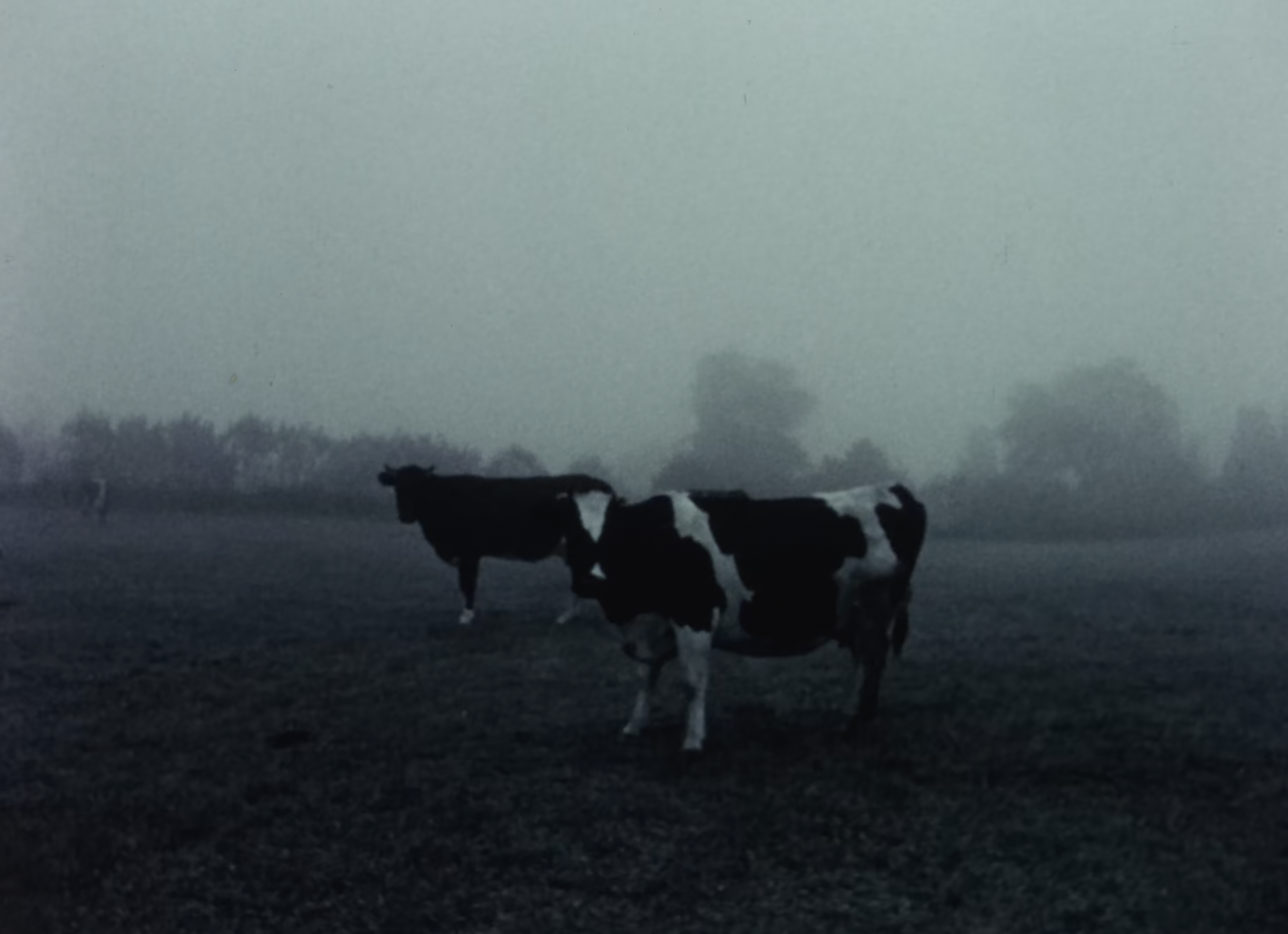
3 Minutes, 16mm, Color, Silent
An early experiment in rapid frame capture. A foggy field of cows, a book on anatomy, an equestrian jumper.
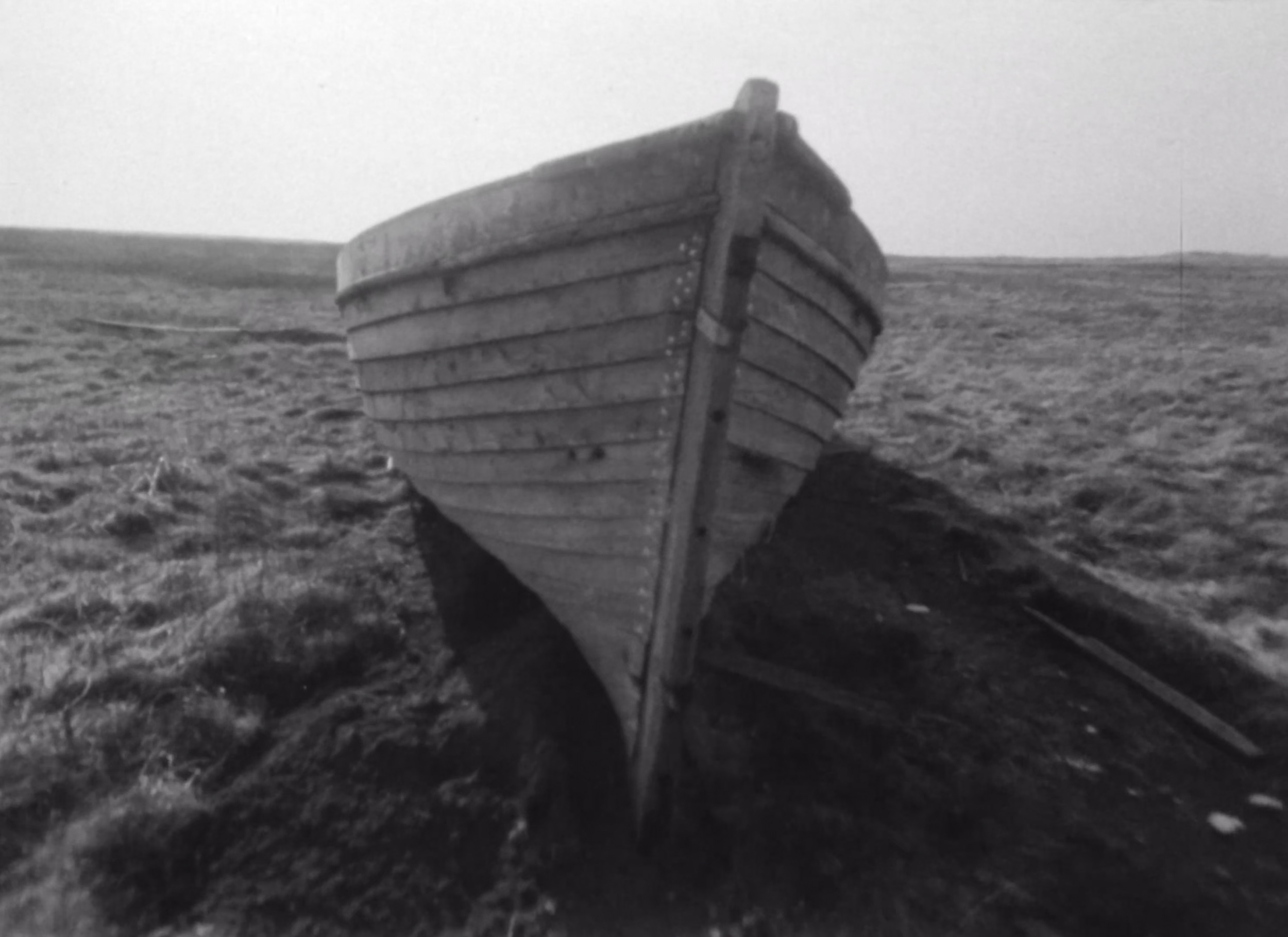
Vineyard I-IV (1967)
5 Minutes, 16mm, Color, Sound
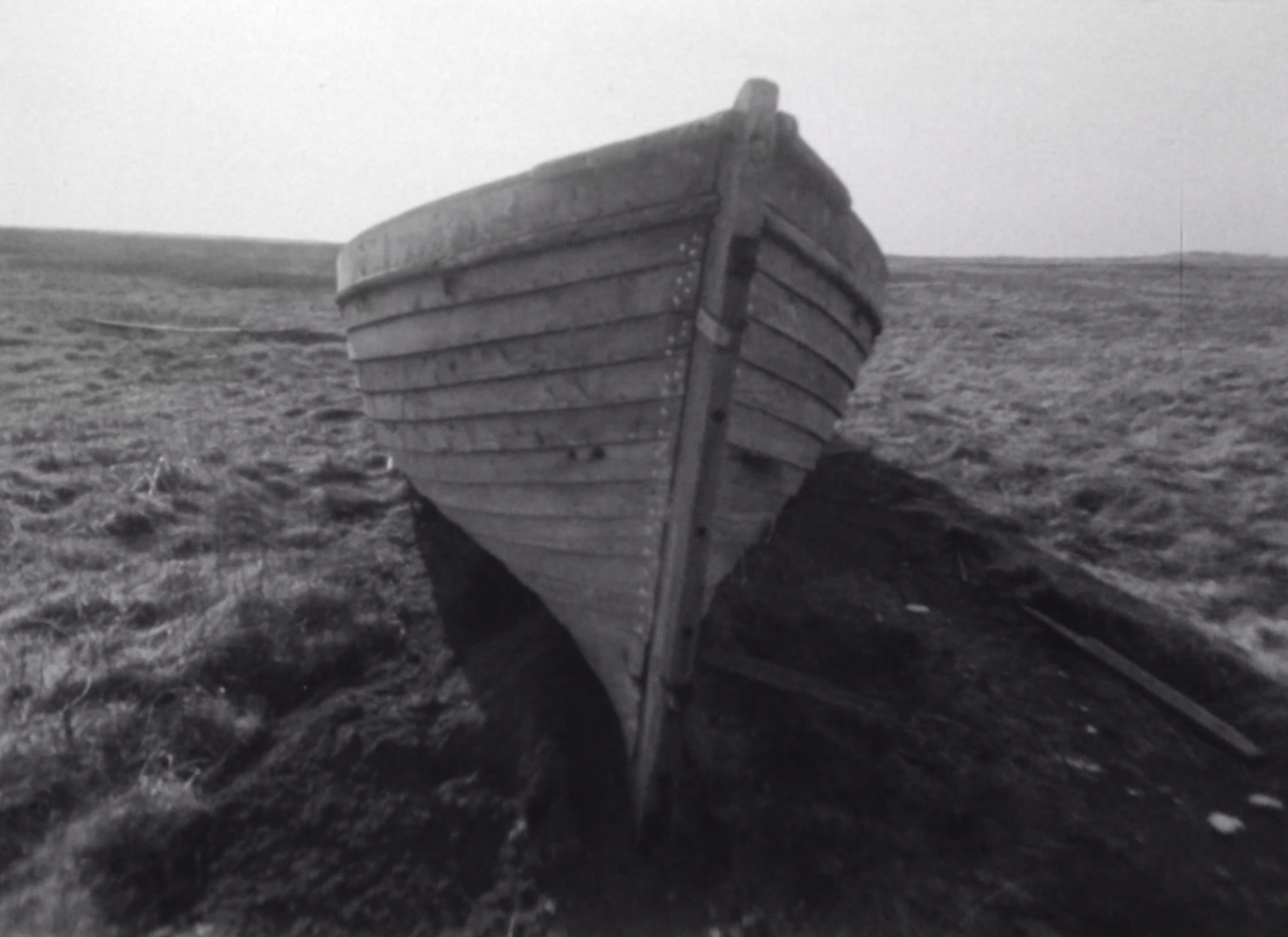
Vineyard I: 1 Minute, 16mm, Color, Sound
Vineyard II: 1 Minute, 16mm, B&W, Silent
Vineyard III: 1 Minute, 16mm, Color, Sound
Vineyard IV: 2 Minutes, 16mm, B&W, Sound
After ten years of honing his eye for composition with still photography, Fulton began experimenting with a 16mm Bolex film camera. With a series of shorts filmed on the beaches of Martha’s Vineyard, his sensibilities for focusing on the concussive forces of nature begin to emerge.
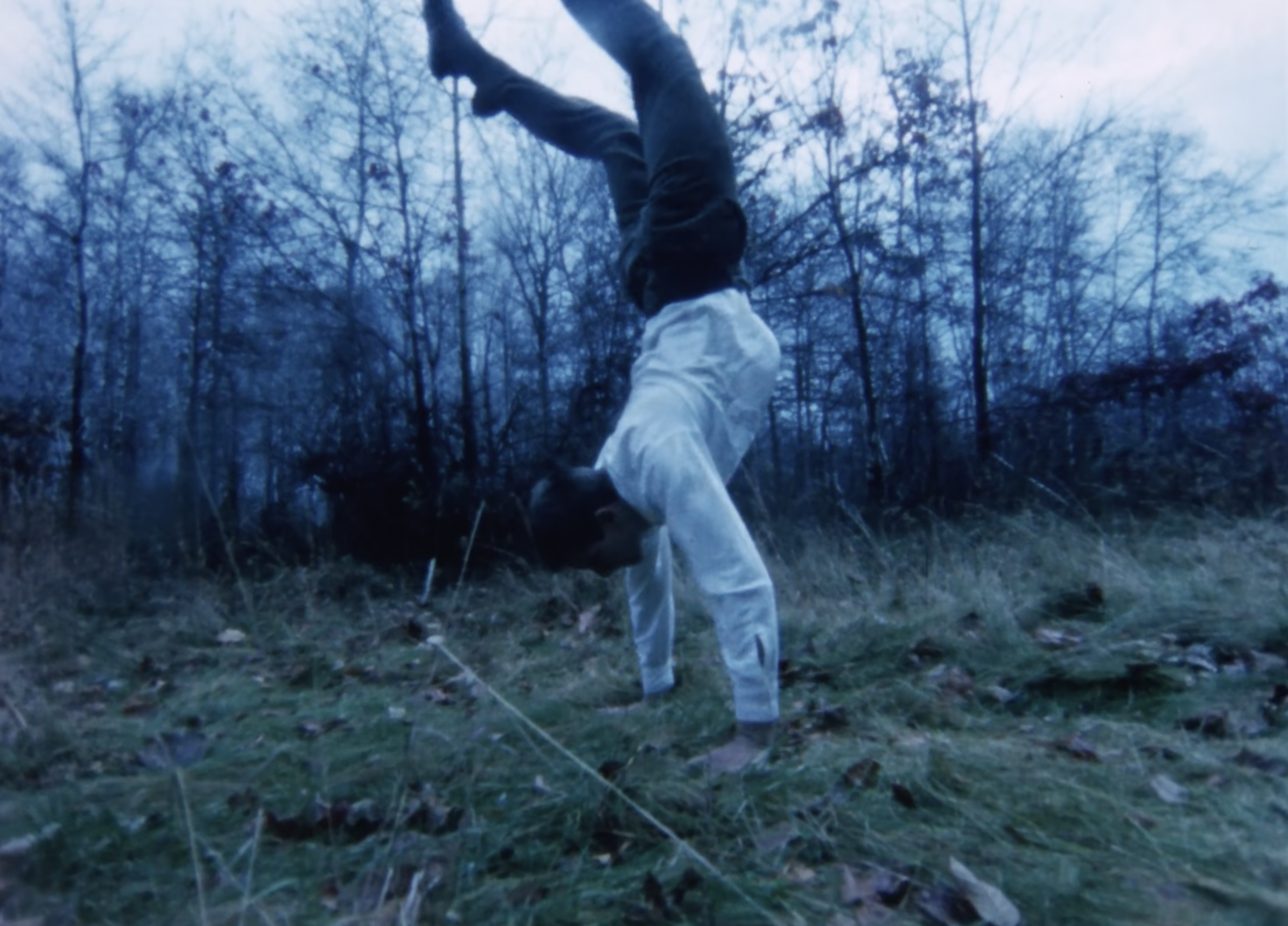
Kata (1967)
2 Minutes, 16mm, Color, Sound
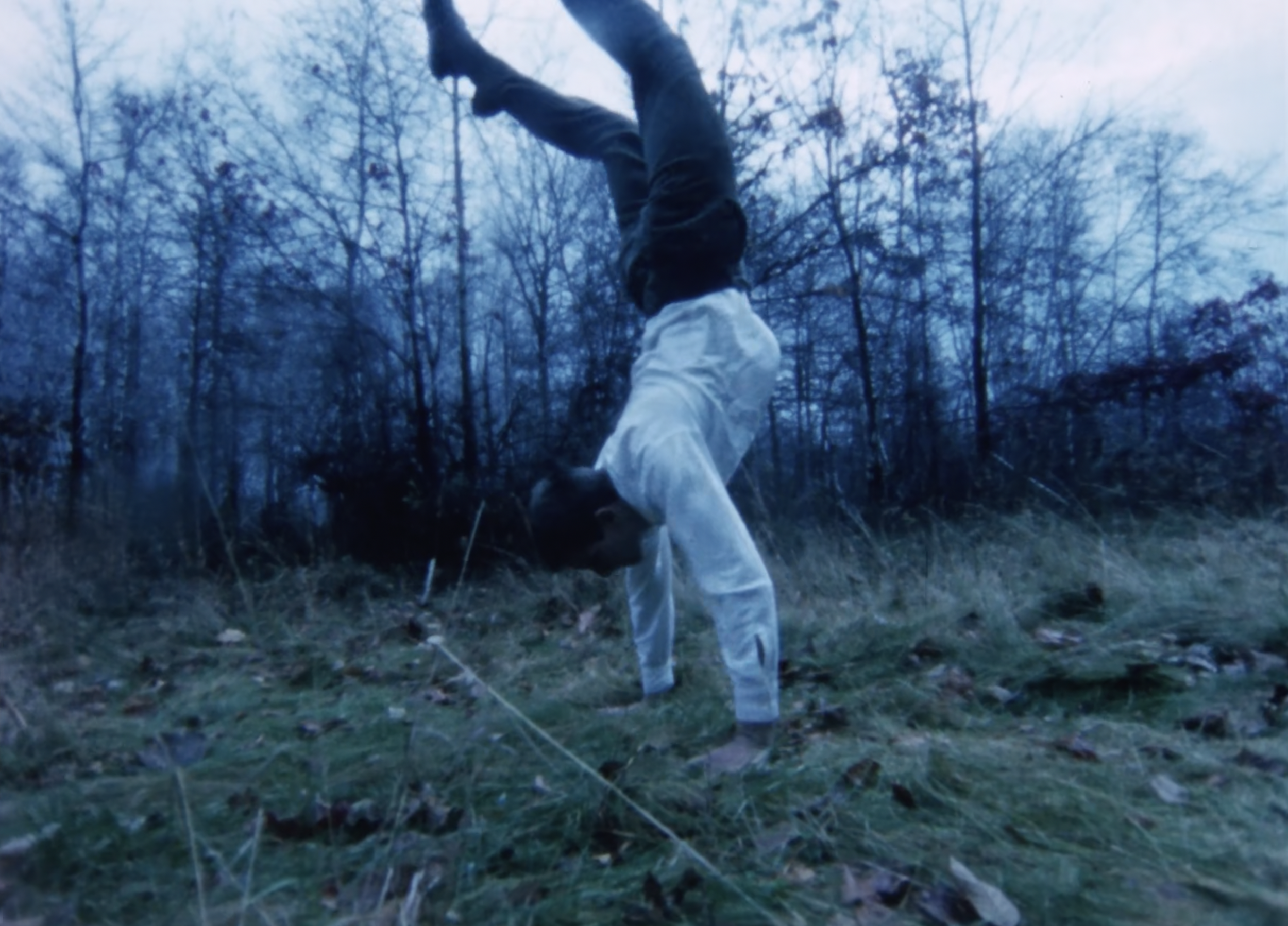
2 Minutes, 16mm, Color, Sound
One of Fulton’s early experiments in accelerating perception, which he dubbed “Omnivision.” Short bursts, single frames, autumn in New England.
“Nature, gymnastic movements, a cat ... The editing of Fulton and his handling of a camera are already amazing. Since his debut, the way he aligns his camera with gymnastics and martial arts movements is remarkable..”
— Federico Rosin
Reality’s Invisible (1971)
50 Minutes, 16mm, Color, Sound
50 Minutes, 16mm, Color, Sound
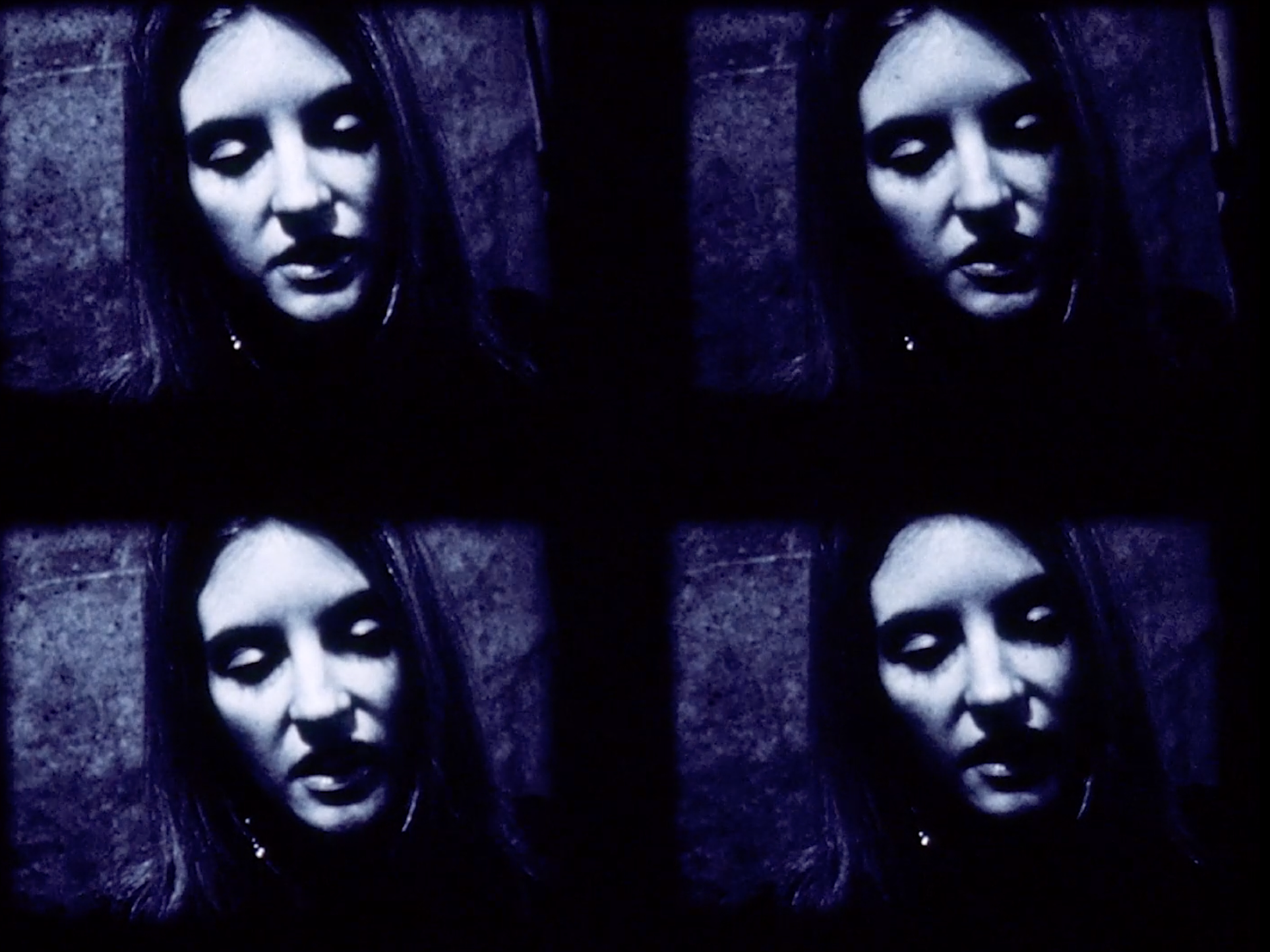
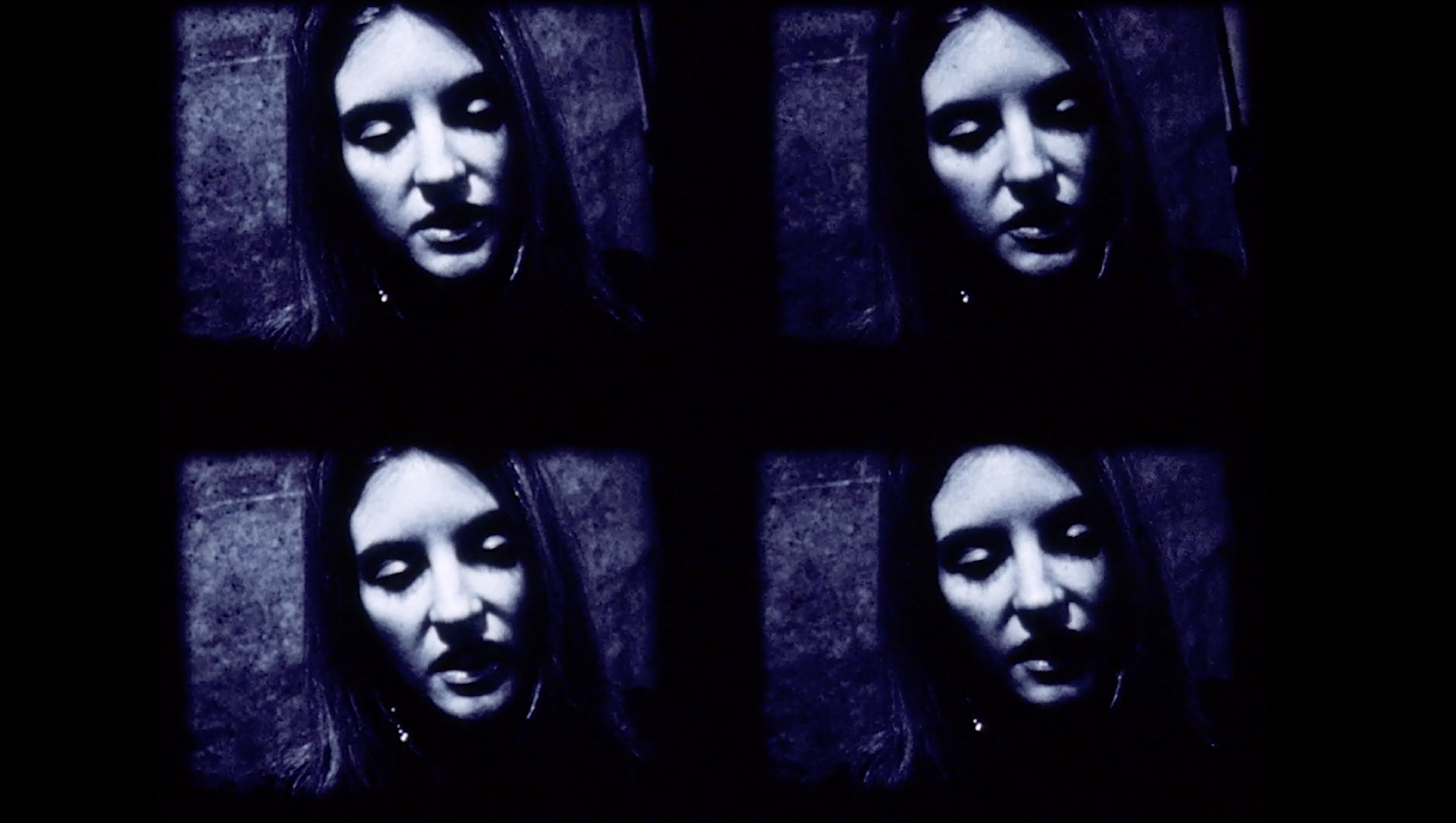
Reality’s Invisible could be described as a portrait of the Carpenter Center for the Visual Arts, yet it is a portrait of an extremely idiosyncratic and distinctive sort. Fulton made the film during his brief time at Harvard, where he had been invited to teach by Robert Gardner, his friend and collaborator. Fulton moves us through the concrete space of the Center’s Le Corbusier-designed building—the only structure by the architect in North America—but, more centrally, presents us footage of students making and discussing their work alongside figures like Gardner, theorist Rudolf Arnheim, artist Stan Vanderbeek, filmmaker Stan Brakhage, and graphic designer Toshi Katayama.
In his own words, Fulton describes this film as “Extensive experimentation with optical printing montage in a documentary on Visual Studies.”
In the Screening Room episode which featured Fulton as guest filmmaker, he elaborated on the film saying, “Normally we think of an image as an information-conveying unit,” he explained. “Well, more than that, it does have kinesthetic properties, in that it generates a certain energy, a certain ‘tone’ if you like.”
Portait de Fulton (1980)
27 Minutes, 16mm, Color, Sound
27 Minutes, 16mm, Color, Sound
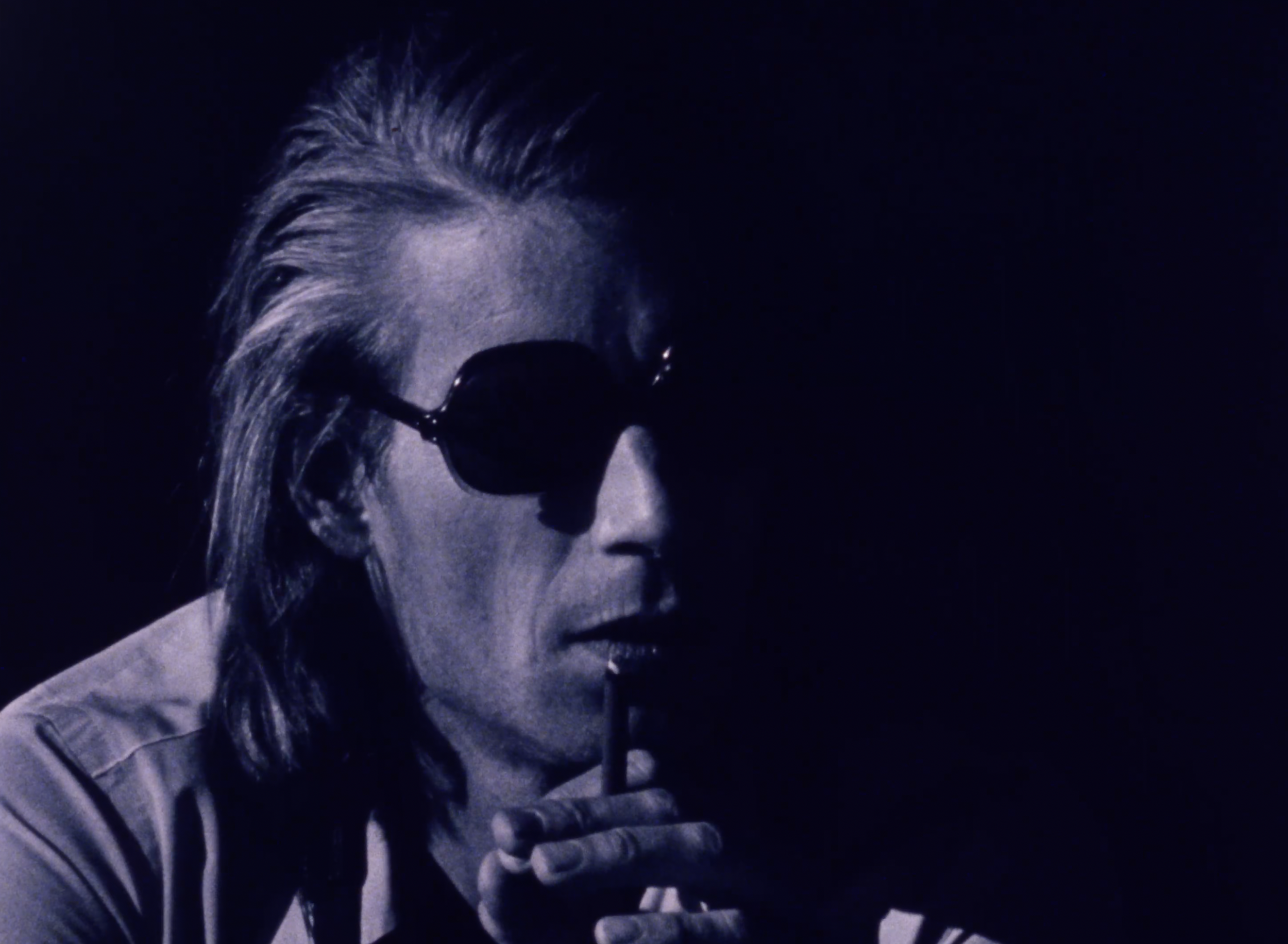
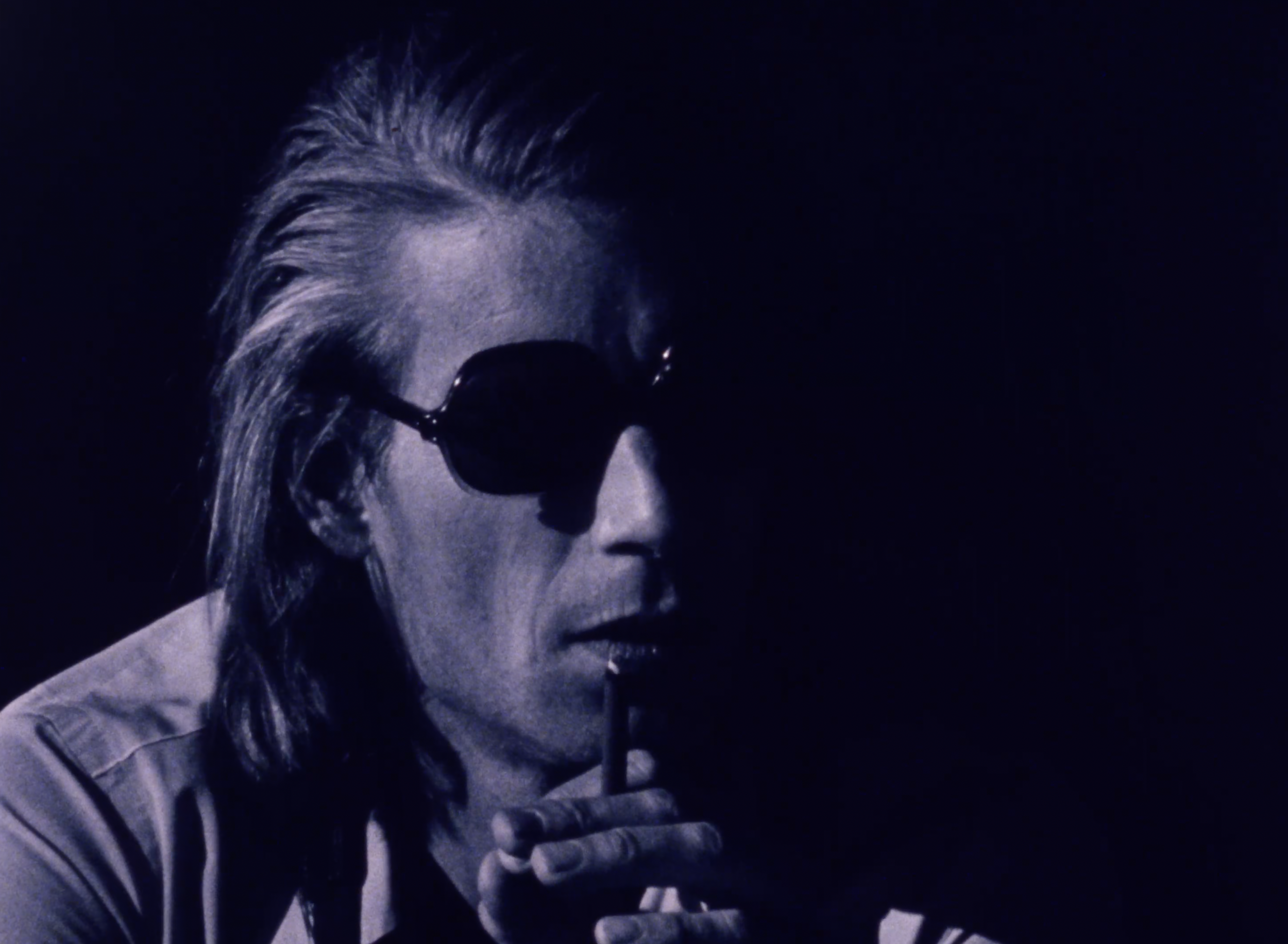
A self-portrait commissioned by French Television, Antenne 2, Paris. Featuring interviews with Fulton and showcasing his filmmaking. Directed by Fabienne Strouve.